






Iran offers US new approach to deal: open Strait of Hormuz, then move forward on glassy nuclear issues
The Iranian regime on Sunday proposed separating an end to the U.S. naval blockade from negotiations over its nuclear program in a bid to unblock talks that have failed to move forward for weeks. Trump has said he is in no hurry to reach a deal.

Negotiations between the United States and Iran took a different turn Sunday after the Tehran regime arrived with a different idea: separating the negotiations into two parts. First, Iran proposed opening the Strait of Hormuz and lifting the U.S. naval blockade. After reaching an agreement on that aspect, the parties would negotiate the thorny nuclear issue.
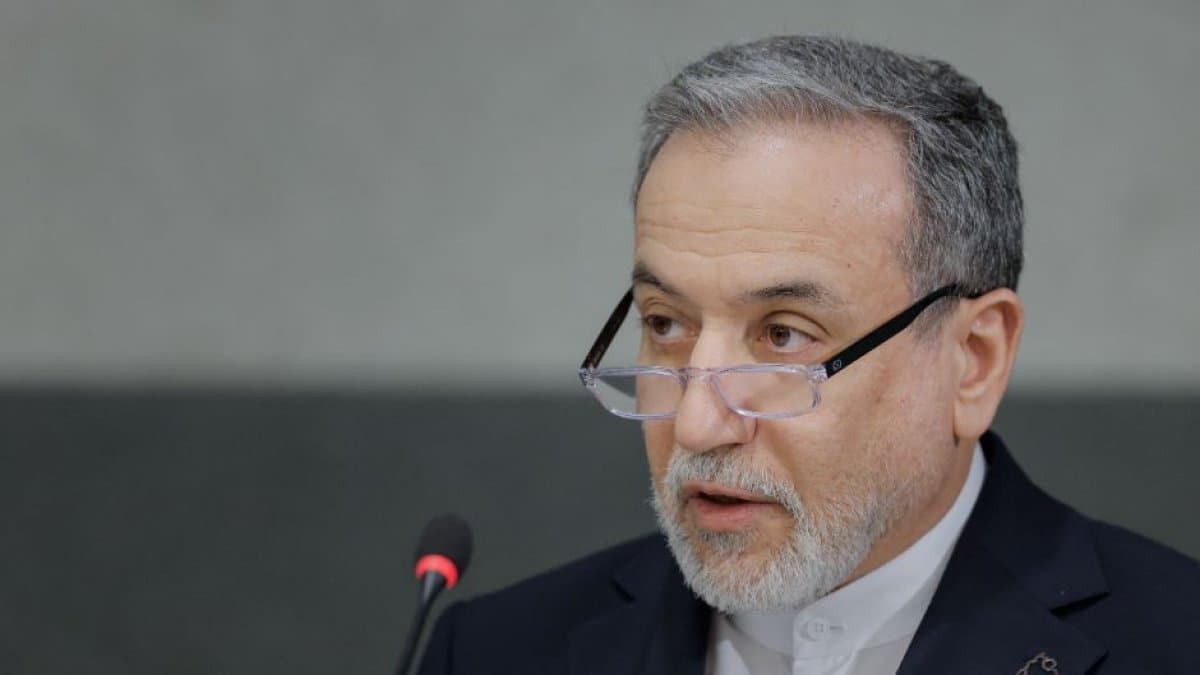
According to The New York Times citing three Iranian officials who requested anonymity, Iranian Foreign Minister Abbas Araghchi delivered this new proposal to Pakistan on Sunday. Trump would hold a meeting this Monday afternoon to evaluate it. Days earlier, the president said the White House is in no hurry to reach a deal, asserting that the Iranian regime fears the blockade more than bombing.
In Russia, after meeting with Vladimir Putin and the Russian foreign minister, Araghchi said Iran is in a good position to negotiate: "They have achieved none of their goals, and this is why they are asking for negotiations; we are now considering it."
The White House, however, dismissed the Iranian foreign minister's words.
"These are sensitive diplomatic discussions, and the U.S. will not negotiate through the press," spokeswoman Olivia Wales said. "As the president has said, the United States holds the cards and will only make a deal that puts the American people first, never allowing Iran to have a nuclear weapon."
Politics
Trump descarta prisas por un acuerdo con Irán: "El bloqueo les asusta más que los bombardeos"
Andrés Ignacio Henríquez

Economy
Why is diesel a much bigger economic problem than gasoline since the war with Iran broke out?
Emmanuel Alejandro Rondón
The previous Iranian proposal was rejected
The new Iranian negotiating approach came after its previous proposal, sent on Saturday, was unequivocally rejected by Washington.
According to the NYT, Iran had offered a five-year suspension of uranium enrichment, followed by another five years of very low-grade civilian enrichment in laboratories. Tehran had also proposed diluting its stockpile of highly enriched uranium—enough to make several bombs—and splitting it, sending half under international inspectors on Iranian territory and the other half to Russia, a close ally. Trump rejected the idea, deeming it insufficient.
"As the nuclear issue is the thorniest, Iran would be looking to get around this obstacle," Ali Vaez, Iran director for the International Crisis Group, told the NYT.
"This is a face-saving change in sequencing: put Hormuz first as part of war-ending arrangements, not formal negotiations, lift the blockade, and defer the harder issues so they don’t sink the process at the outset," he said.
Iran's new proposal also comes as the Iranian chain of command appears relatively broken. Since the war began, after the U.S., along with Israel, headed the regime's top brass, a group of senior generals in the Revolutionary Guard Corps made the key strategic decisions, including on cease-fire and negotiations. The new supreme leader, Ayatollah Mojtaba Khamenei, is severely wounded and isolated, delegating that authority to the military.
On Monday, 261 Iranian lawmakers from various factions signed a statement supporting the negotiating team headed by Parliament Speaker Gen. Mohammad Bagher Ghalibaf. Only five lawmakers opposed to any concessions with Washington refused to do so.
🛠 Do you think there is an error in this article?
Recommendations




LATEST