






Amid the euphoria over the advanced peace agreement, the US shoots down Iranian drones heading toward the Strait of Hormuz, and Israel warns of new airstrikes against Hezbollah positions in Lebanon
Disagreements between the two sides over the agreement’s terms cast doubt on whether it will ultimately be signed. Nevertheless, markets are betting on an end to the war, and oil closed the week below $90 a barrel.
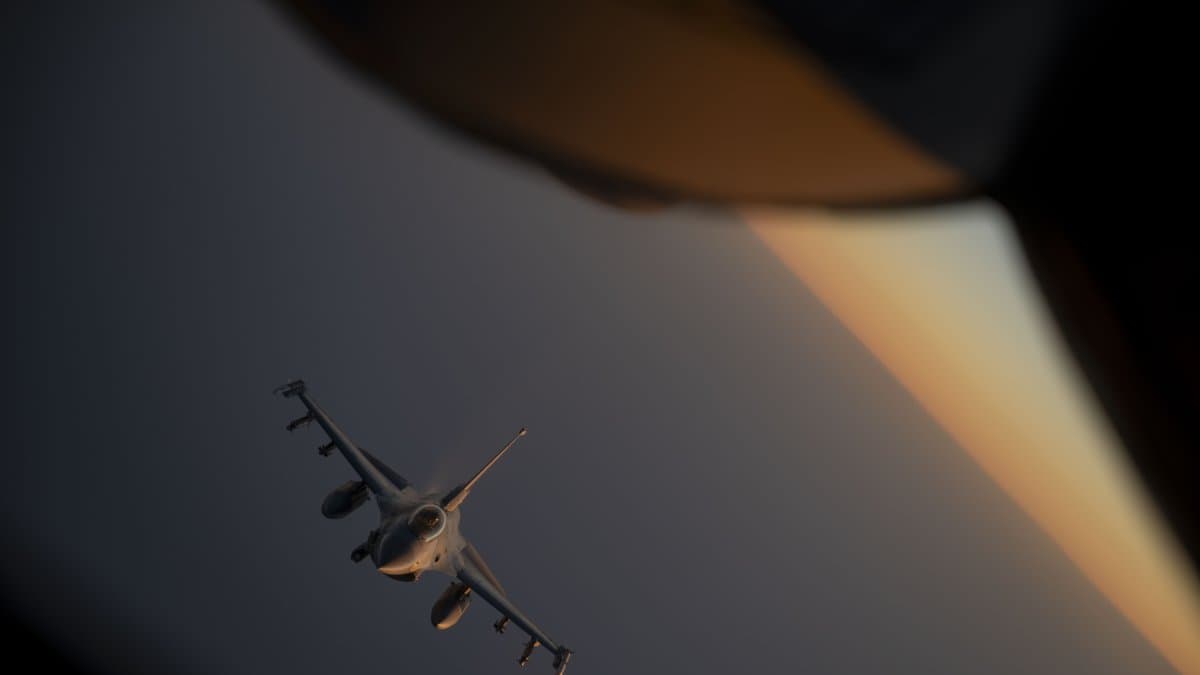

Amid the excitement over the 80% chance cited by the White House of finally signing a peace agreement with Iran, the remaining 20% materialized in the form of the downing by the U.S. military of Iranian drones heading toward the Strait of Hormuz. In addition, the Israeli Defense Forces warned residents of several towns in Lebanon that they will carry out airstrikes against Hezbollah, which continues to refuse a ceasefire, in those areas.
"Iran launched multiple one-way attack drones in an attempt to strike commercial ships transiting the Strait of Hormuz," the U.S. Central Command for the Middle East (CENTCOM) on social media platform X.
"U.S. forces shot them all down in the last few hours, and maritime traffic in the strait continues to flow," the military added regarding this key route for global hydrocarbon transit.
Two completely different versions of the same agreement despite the optimism
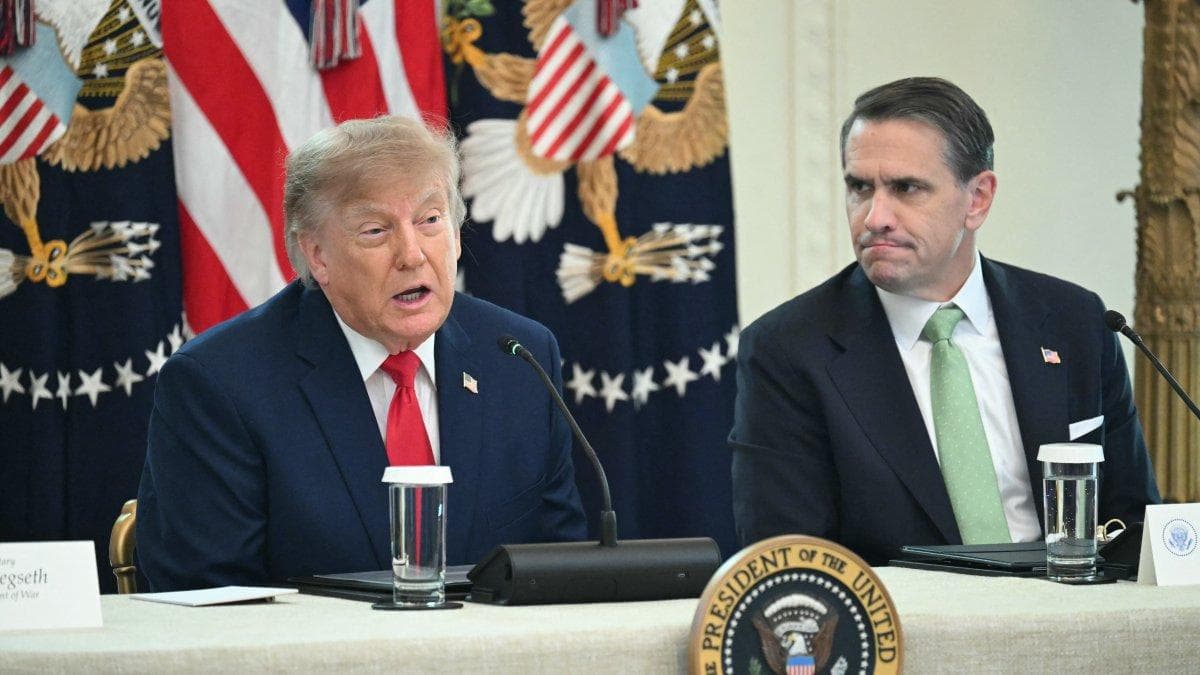
An incident that highlights the deep discrepancies both sides hold regarding the content of the alleged agreement, and which led Donald Trump to issue a forceful message on Truth Social categorically denying the ayatollahs’ triumphant version of the pact.
"As soon as the final stages of our negotiations are concluded, this agreement will be signed and announced. (...) This could happen in the coming days. I am hopeful," Iranian Foreign Minister Abbas Araqchi said on state television, according to AFP.
The minister stated that the draft agreement provides for the lifting of the U.S. blockade of Iranian ports and a new management of the Strait of Hormuz. "Until a comprehensive agreement has been reached on all issues, it cannot be said with certainty that a point of understanding has been found with the United States," he insisted on Saturday.
Shehbaz Sharif, Prime Minister of Pakistan and the lead negotiator in the conflict, expressed similar hope: "Peace has never been as close as it is today," he said.
In Washington, a senior White House official estimated the probability of an agreement that would lead to a 60-day period of technical talks at "80-85%."
Markets are celebrating, with oil prices below $90 per barrel
Switzerland, a country historically neutral in all conflicts, even offered to host a possible signing of the agreement, just as a G7 summit is set to begin Monday with U.S. President Donald Trump in attendance in the French city of Evian, near Geneva. However, Tehran said the memorandum of understanding would be signed "remotely."
The markets celebrated and are confident that the conflict has truly come to an end, which led the price of a barrel of oil to close the week below $90.
Trump, who has already announced 39 times that an agreement is imminent according to a CNN tally, is struggling to find a way out of this unpopular war among Americans, on the eve of the November midterm elections.
However, the differences between the two sides’ accounts seriously complicate the signing of any agreement. Thus, the Iranian news agency Mehr had published what it presented as a 14-point draft protocol.
It contained conditions such as maintaining control over the Strait of Hormuz, the right to uranium enrichment and the unfreezing of $24 billion in Iranian funds frozen abroad.
Trump: "They are people without honor. It is impossible to negotiate with them in good faith"
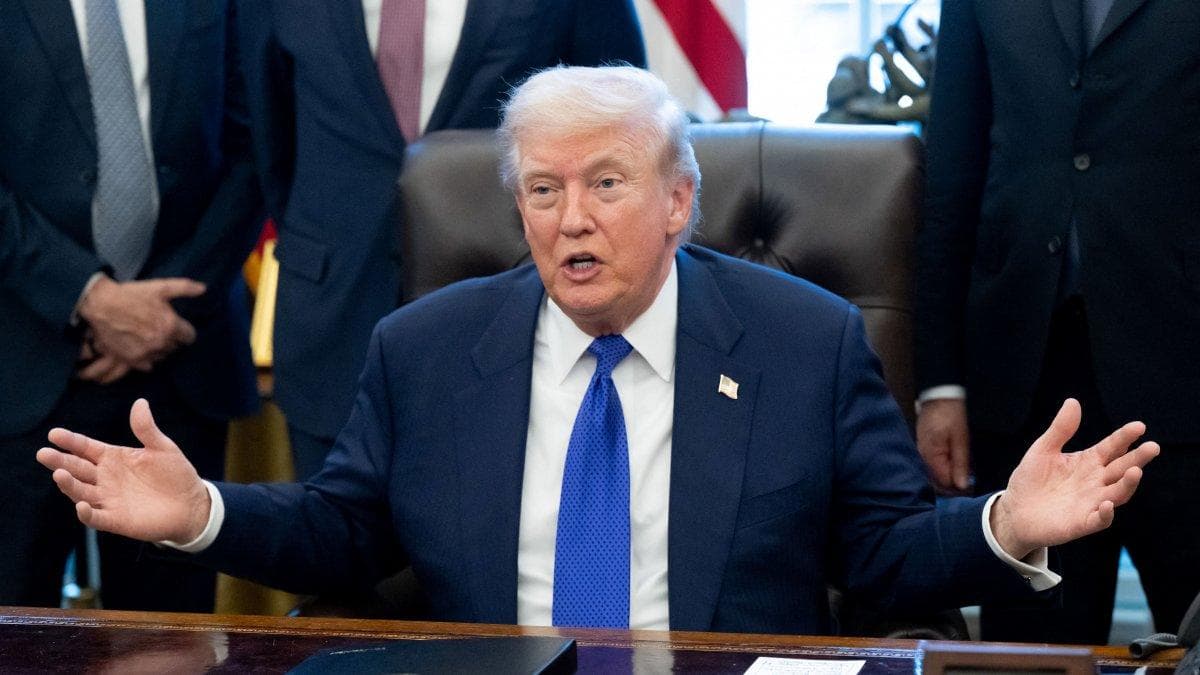
This provoked an outburst from Trump, who posted a message on Friday on his social media platform Truth Social: "The terms (of the agreement) that Iran has leaked to the lying media have NOTHING to do with the terms we agreed to in writing. They are people without honor. It is impossible to negotiate with them in good faith."
Subsequently, officials in Washington presented a completely different version of the text, which would include the reopening of the Strait of Hormuz, allow for the "dismantling" of Iran’s nuclear program, and help the United States recover the highly enriched uranium, which would be "destroyed on site" and then "removed" from the country.
But Foreign Minister Araqchi advocated on Friday for the dilution on Iranian soil of its reserves of 60% enriched uranium. Diluting that atomic material to a level below 5%, far from the 90% needed to build a nuclear bomb, would significantly reduce the threat of enrichment for military purposes.
The Lebanese front, another risk to peace due to Hezbollah’s boycott of agreements with Israel
Another major point of friction is the Lebanese front. According to Washington, the agreement being negotiated with Iran does indeed include Israel’s neighbor, as Tehran had demanded.
Lebanon was dragged into the war on March 2, when Hezbollah attacked Israeli territory in support of Iran.
Although the Jewish state itself and its neighbor agreed to a ceasefire and are moving toward a Washington-sponsored peace agreement, Hezbollah refuses to accept it and continues its attempts to sabotage it by attacking Israeli troops on the border or on Lebanese territory, provoking Israeli counterattacks and responses aimed at eliminating the threat posed by the terrorist group.
🛠 Do you think there is an error in this article?
Recommendations





LATEST