The head of Space Command warns that Russia may be considering deploying a nuclear weapon in space
Whiting suggested that the Kremlin might see space warfare as a way to compensate for what it has perceived in recent years as a disadvantage for the United States and NATO in traditional military capabilities.
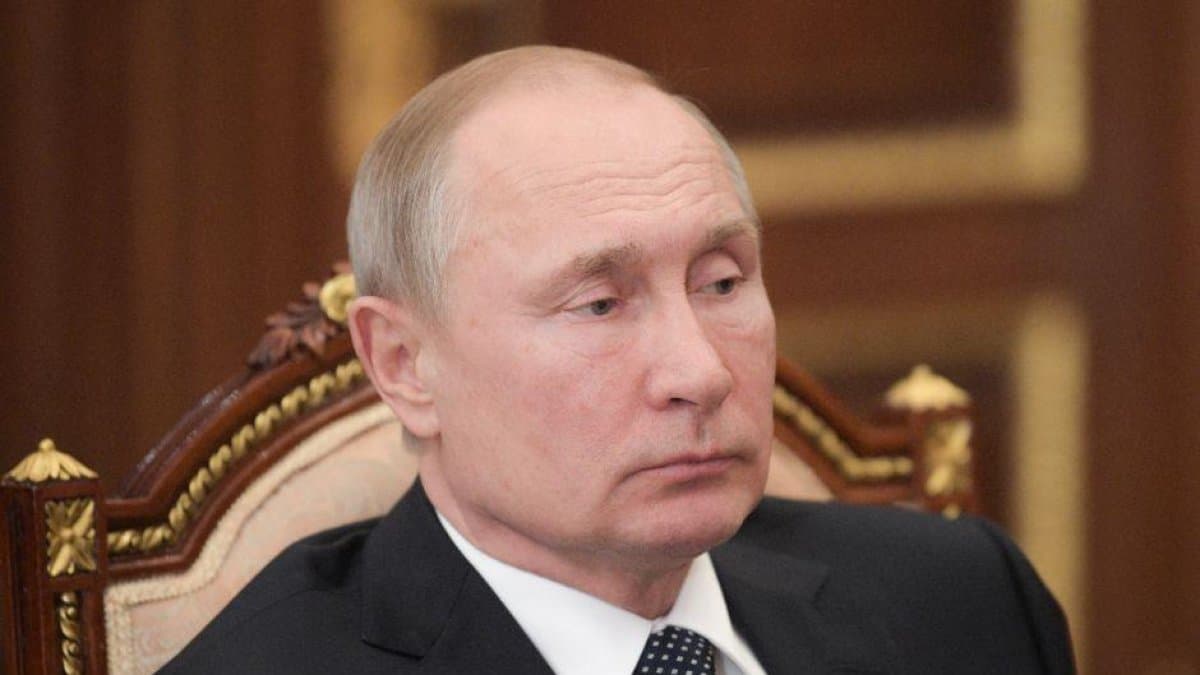
The commander of U.S. Space Command, General Stephen N. Whiting, warned on Tuesday that the White House is increasingly alarmed by indications that Russia could be developing a nuclear weapon designed for use in orbit, posing a real threat to satellites in space. "Russia remains a very historic and sophisticated space power. Yes, they have been hit by economic sanctions, but they continue to invest in counter-space weapons, with the most worrying reports being that they are potentially considering putting a nuclear anti-satellite weapon (ASAT) into orbit. That would violate the Outer Space Treaty, to which they are a party, and would put everyone's satellites in low Earth orbit at risk, and that would be an outcome that we simply could not tolerate," Whiting explained on "The General & The Journalist" podcast.
While he avoided commenting on specific intelligence details, the general emphasized the seriousness of the reports. "I'm not going to talk about our intelligence sources and methods, but obviously it's a report that we're very concerned about," Whiting said, who pointed out that the growing number of satellites in low-Earth orbit makes the threat especially serious in light of the damage it could cause to military and civilian structures. "The entire low-Earth orbit would be at risk, and there are over 10,000 satellites today with these new proliferated low-Earth orbit constellations like Starlink," he explained.

Elsewhere in his podcast appearance, Whiting suggested that the Kremlin may see space warfare as a way to compensate for what it has perceived in recent years as a disadvantage for the United States and NATO in traditional military capabilities. "From the Russian perspective, they look at the United States, they look at NATO, and they see conventional superiority in weaponry. They believe that novel ways of trying to weaken the U.S. and NATO, such as neutralizing our space capabilities, helps them level the playing field," he said.
In addition to potential future threats, Whiting highlighted the ongoing interference in satellite systems and how such disruptions affect different types of operations. "Clearly, across Europe we've seen sustained interference in satellite communications and GPS. The real problem with those GPS interferences, for example, is that they are being carried out in a way that affects civil aviation in Eastern Europe and throughout Southern Europe," he said.
🛠 Do you think there is an error in this article?
Recommendations







LATEST