






Pope Leo dismisses the blessing of same-sex couples and defends the right of states to protect their borders
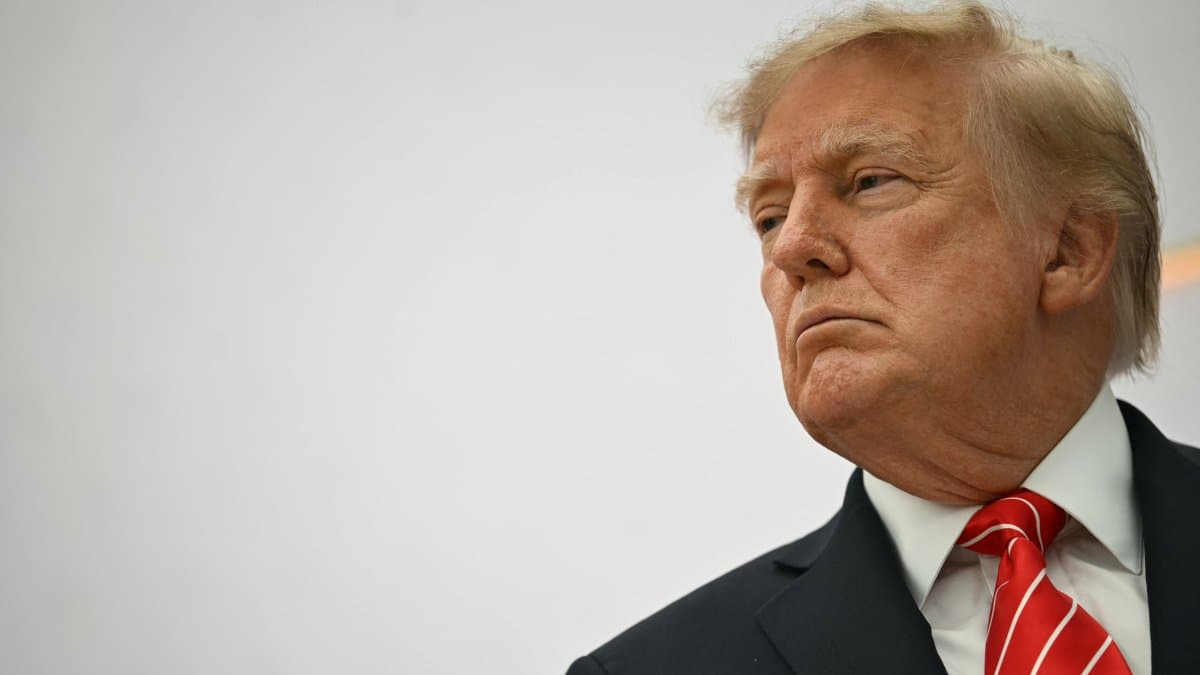
Before flying to Rome after his pastoral trip to Africa, the supreme pontiff responded to journalists on two sensitive issues: Cardinal Marx's dissent in Germany and the global migration crisis, an issue that has earned him a fight even with President Donald Trump.
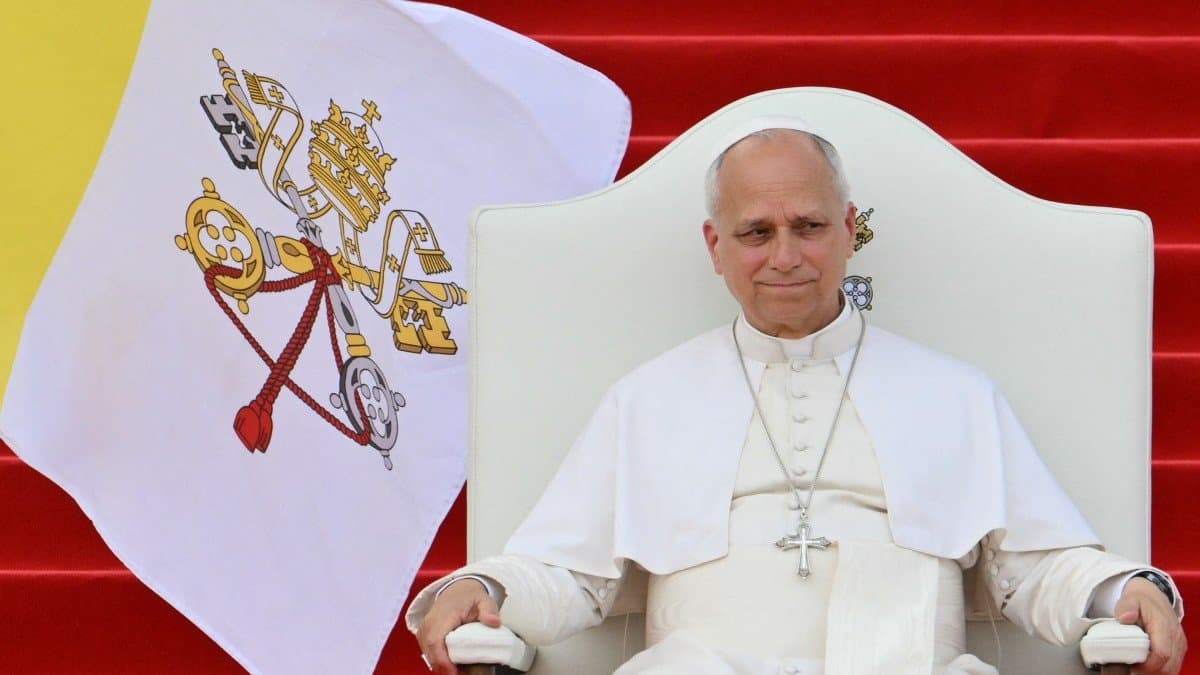

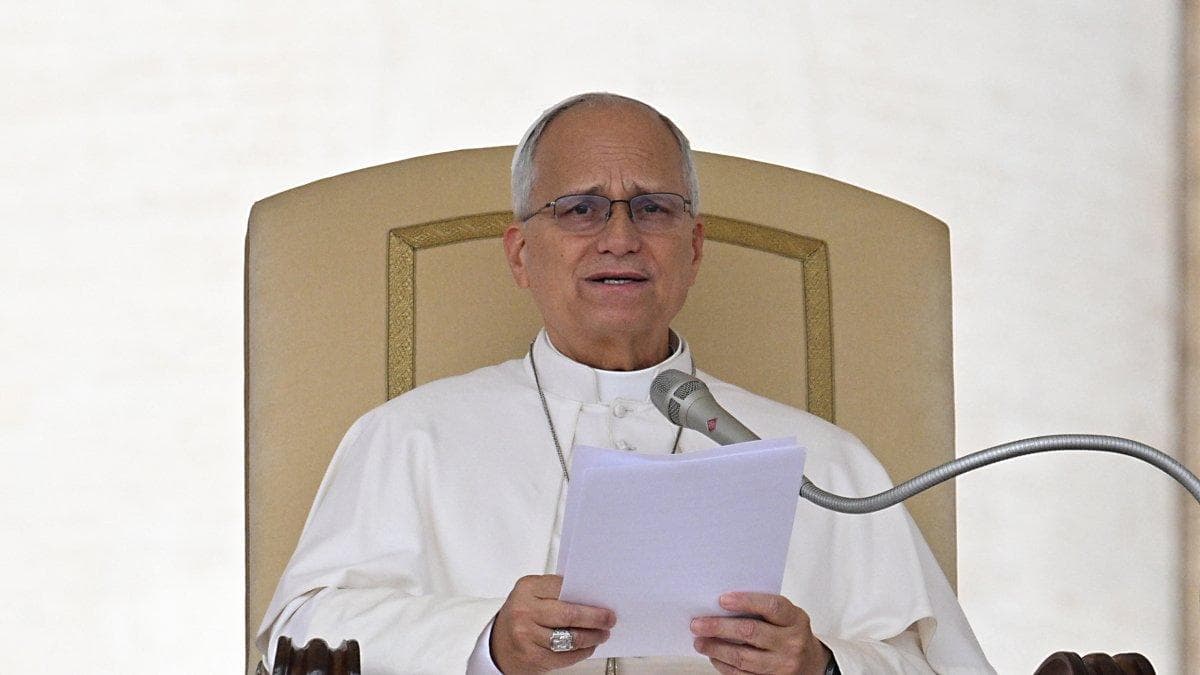
In nearly a year of pontificate, Pope Leo XIV has shown that he does not shy away from difficult questions. Aboard the papal plane on his return to Rome after his 11-day pastoral trip through Africa, the supreme pontiff answered reporters Monday on two sensitive issues: Cardinal Reinhard Marx's controversial decision to formally bless homosexual couples in his German diocese, and the global migration crisis.
In both cases, Leo was blunt and demonstrated that his stance is difficult for the international press and the usual critics to categorize.
In response to Cardinal Reinhard Marx, archbishop of Munich and Freising, who recently authorized in his diocese the formalized blessing of homosexual couples, Leo left no doubt: the Catholic Church does not authorize formal blessings for homosexual couples or couples in an irregular state, that is, outside of marriage.
"The Holy See has already spoken to the German bishops. The Holy See has made it clear that we do not agree with the formalized blessing of couples, in this case homosexual couples, as you ask, or couples in irregular situations, beyond what was specifically, if you will, allowed for by Pope Francis in saying all people receive blessings," Leo said, clarifying that his predecessor, too, had not permitted such blessings.
The pontiff also explained the distinction between a formal blessing of couples and a blessing given by a priest at the end of Mass, or by the pope at the end of a celebration; those are blessings for all people.
"Francis' infamous, famous, well-known expression of tutti, tutti, tutti is an expression of the church's belief that all are welcome, all are invited, all are invited to follow Jesus and all are invited to look for conversion in their lives," Leo said, who, moreover, added that going beyond that "can cause more disunity than unity."
The pope also clarified that, for him, there are other topics of a moral nature more important than sex: "I think it's very important to understand that the unity or division of the church should not revolve around sexual matters. We tend to think that when the church is talking about morality, that the only issue of morality is sexual. And in reality, I believe there are much greater, more important issues, such as justice, equality, freedom of men and women, freedom of religion, that would all take priority before that particular issue."
Politics
Baja la tensión: Vance agradece y elogia al Papa León XIV tras matizar sus declaraciones sobre Trump
Luis Francisco Orozco
Migration: A different approach
Minutes later, Pope Leo also answered in Spanish a difficult question on migration - a subject he has approached with a different perspective than his predecessor, Francisco.
Days earlier, in Yaoundé, Pope Leo urged young Africans to stay in their countries and transform them from within.
"In the face of the understandable tendency to migrate, which may lead one to believe that elsewhere a better future may be more easily found, I invite you, first and foremost, to respond with an ardent desire to serve your country and to apply the knowledge you are acquiring here to the benefit of your fellow citizens," the pontiff said at the time, recognizing that the structural problems of the countries of the South, war, violence, corruption, poverty, generate migratory crises.
From the papal plane, Leo deepened that stance, first of all, recognizing the right of states to control their borders.
"I personally believe that a state has the right to set rules for its borders. I am not saying that everyone should be allowed in just any way, without order, creating situations that are sometimes more unjust in the place where they arrive than what they left behind," Pope Leo said.
Then, the Holy Father went further, putting the focus of migration on the original causes, the root of the problem: "What does the Global North do to help the Global South, or those countries where young people today cannot find a future and so they live that dream? Everyone wants to go north, but so many times the north has no answer for how to offer that possibility. Many suffer."
He also warned that, beyond the right to protect borders, regardless of each country's migration policies, migrants are still people who deserve dignified treatment. "They are human beings and deserve the respect that every human being deserves for human dignity," he said. "Let us not treat them worse than pets."
🛠 Do you think there is an error in this article?
Recommendations


LATEST