






Trump anticipates imminent peace agreement with Iran that could be finalized this weekend in Europe
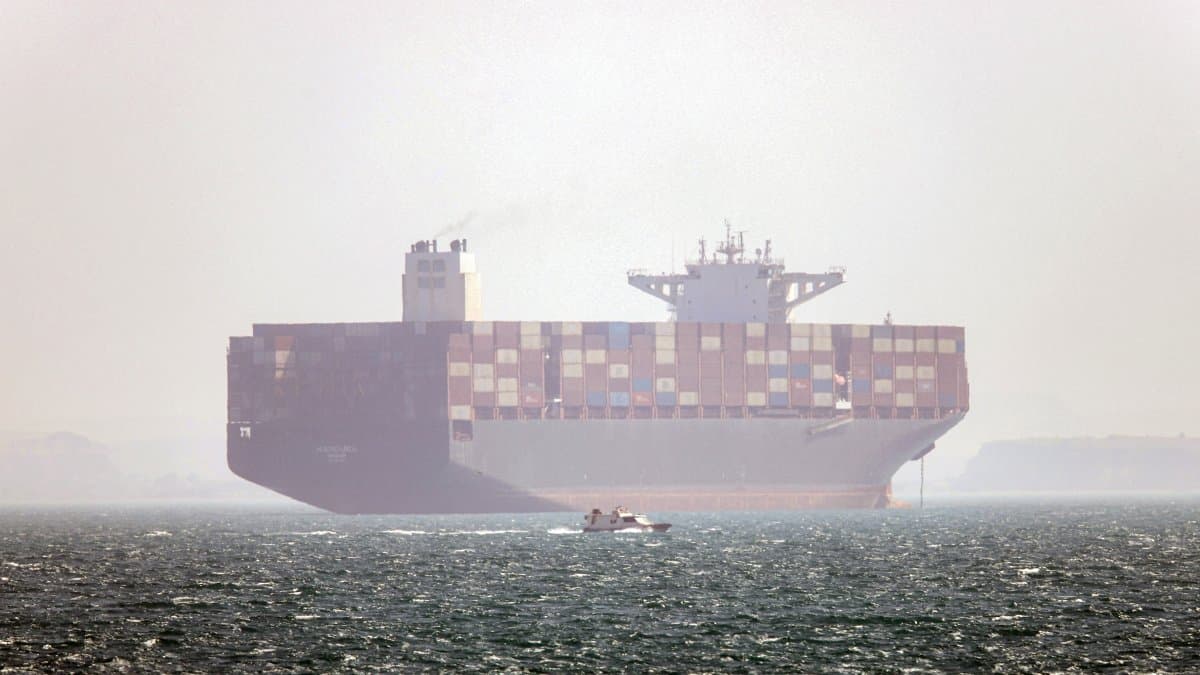
If the final operational details are finalized, the agreement will immediately resume commercial shipping in the Strait of Hormuz.

President Trump is on the verge of securing the greatest foreign policy success of his second term, based on a strategy of economic pressure and military deterrence.
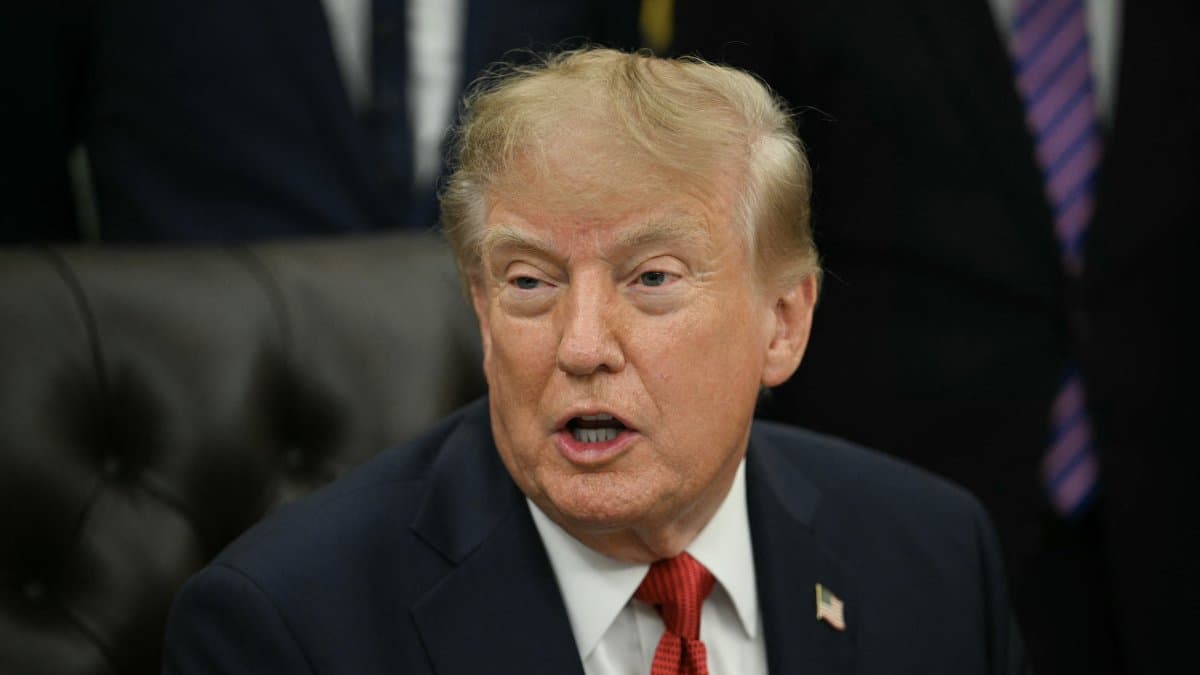
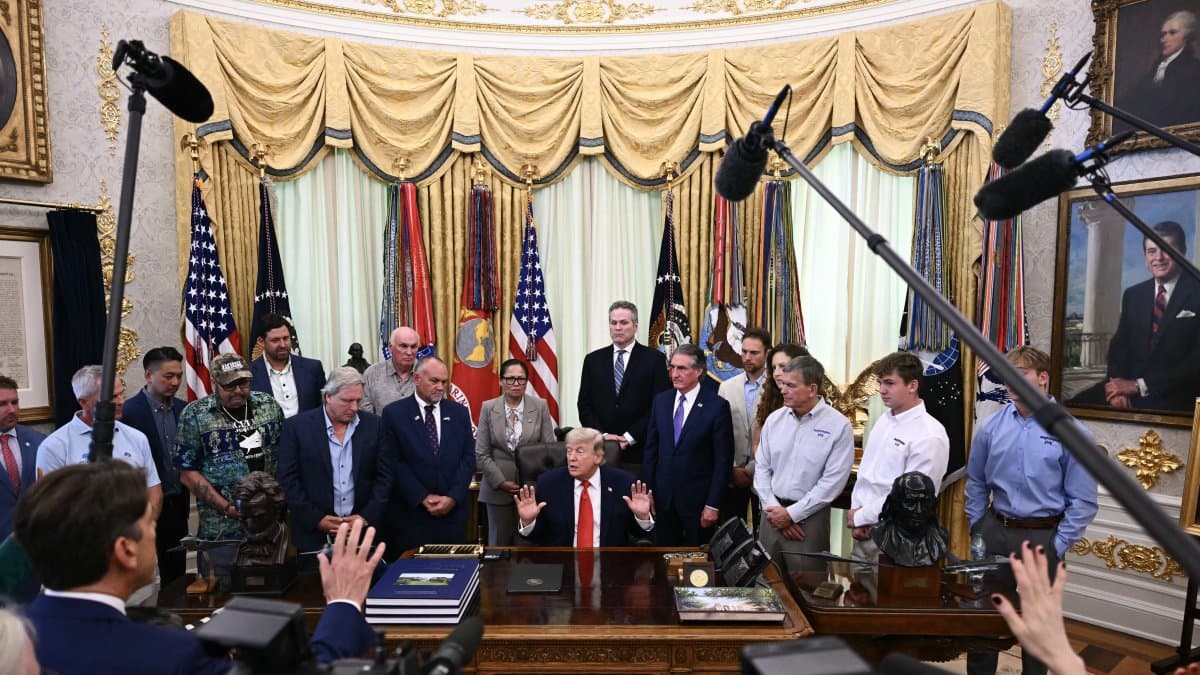
The president announced this Thursday to reporters at the White House that the United States and Iran are ready to sign a historic peace agreement, which could take place as early as this weekend on European soil.
If the operational details are finalized, the pact will immediately restore commercial shipping in the Strait of Hormuz.
"We have just reached a major agreement to end the war with Iran," the president declared, noting that the U.S. delegation in Europe could be led by Vice President JD Vance for the official signing.
When asked whether Iran’s Supreme Leader, Ayatollah Mojtaba Khamenei, had given his approval to the text, Trump stated: “I understand the answer is yes.”
This historic diplomatic breakthrough comes just hours after the president himself ordered the suspension of a series of planned strategic airstrikes against Iranian targets, while assessing the viability of the negotiation channels.
A national security shield against nuclear ambitions
In contrast to traditional approaches to multilateral diplomacy, the White House structured the dialogue under the non-negotiable premise of neutralizing Tehran’s military capabilities.
The document under discussion has been described by Trump as "a very strong memorandum of understanding that is a bit conceptual," but whose central tenet eliminates any possibility of the Islamic Republic acquiring nuclear weapons.
"We have an agreement that Iran will never have a nuclear weapon, which was the whole purpose of what we had to go through to achieve this. So it was a very big deal," the president emphasized on Thursday.
The administration’s approach seeks to explicitly distance itself from the laxity of the 2015 multilateral pact, from which Trump himself withdrew the nation in 2018, deeming it detrimental to the security of the West.
Although Tehran’s historical demands included the widespread lifting of sanctions and the release of frozen assets, technical working groups have accelerated an interim political understanding to halt the exchange of hostilities that had kept the April-agreed truce hanging in the balance.
Support from regional allies and market reaction
The framework of this peace agreement has the knowledge and strategic backing of the region’s major allied powers. Through his digital platforms, Trump confirmed that the essential guidelines of the document have been communicated and validated by the leaders of Saudi Arabia, Qatar, the United Arab Emirates, and Israel.
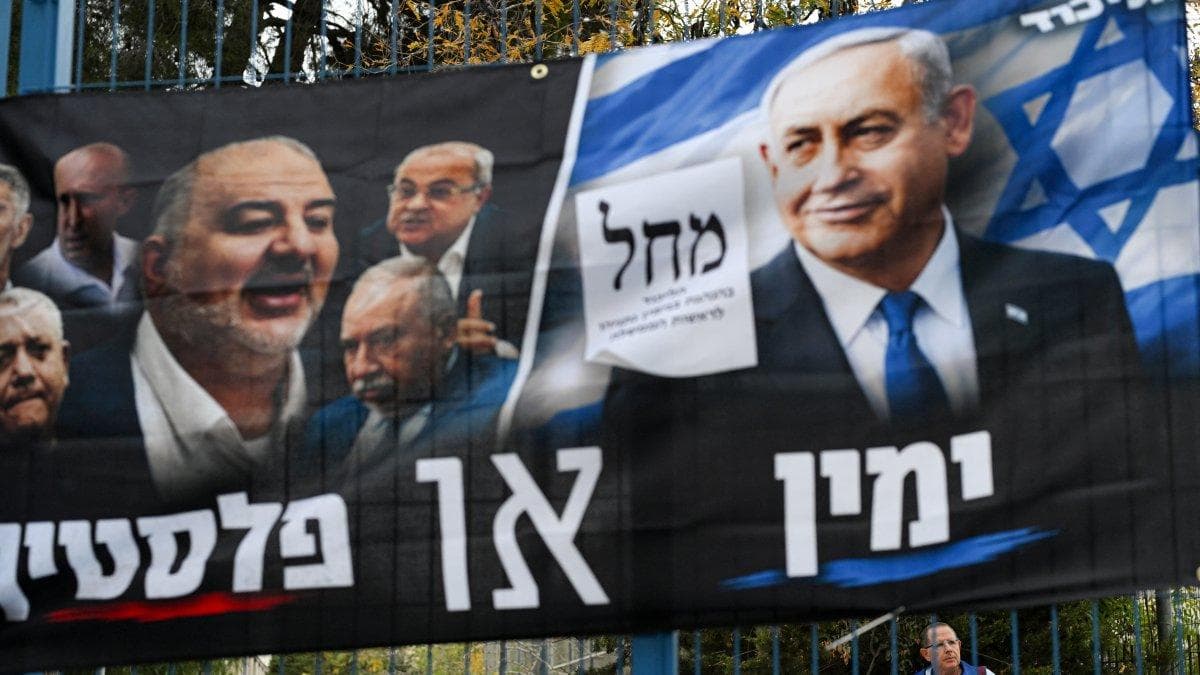
In that regard, the U.S. president held a telephone conversation with Israeli Prime Minister Benjamin Netanyahu.
According to an official statement issued by the Israeli prime minister’s office, Israel “is not a party to the memorandum of understanding,” but Netanyahu conveyed his appreciation to the U.S. administration for its unwavering commitment to resolving the issue of enriched nuclear material in the region at its root.
As an immediate reflection of institutional confidence in the resolution of the conflict, financial markets on Wall Street reacted positively, while international oil prices showed a notable downward trend.

World
U.S. Contradicts Iran: CENTCOM Says the Strait of Hormuz Remains Open and No U.S. Warship Was Hit
Emmanuel Alejandro Rondón
World
The United States launches a new round of airstrikes against Iran for the second consecutive day
Emmanuel Alejandro Rondón
🛠 Do you think there is an error in this article?
Recommendations

LATEST