Tension rises between Catholic Church and Trump over Iran war? Reports indicate that the Pentagon has confronted the Vatican
According to The Free Press, Pentagon officials lobbied the Vatican ambassador for the Church's endorsement of the Trump Administration's foreign policy. Pope Leo responded by canceling a planned visit to the United States.
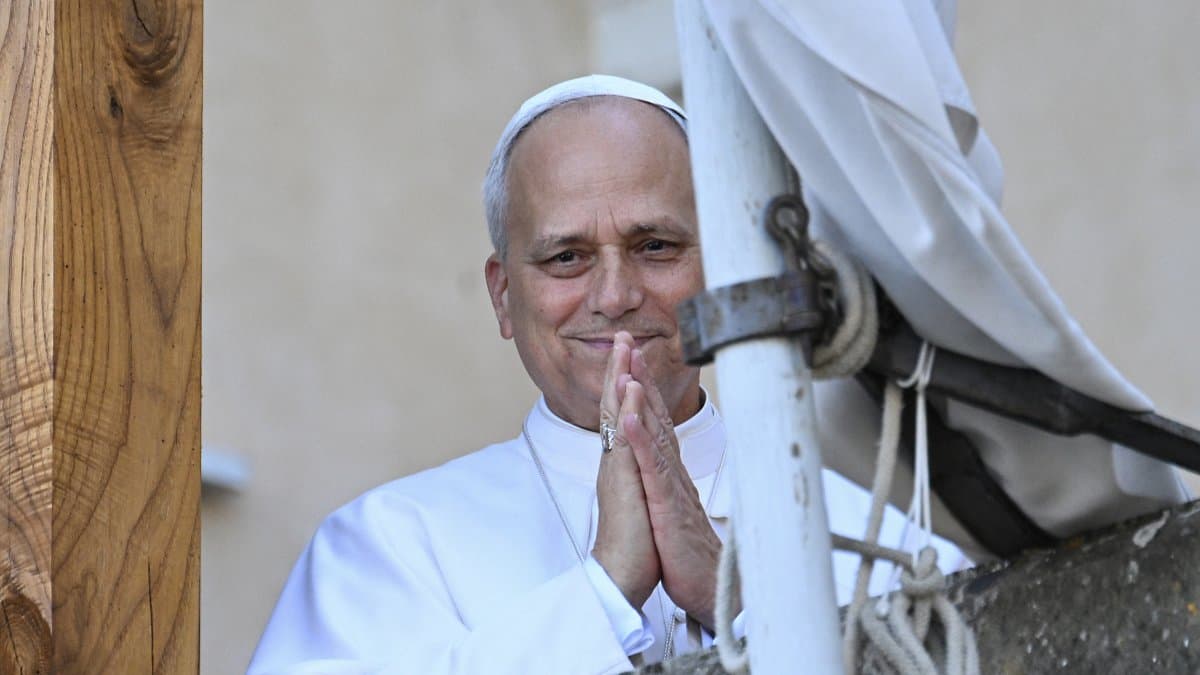

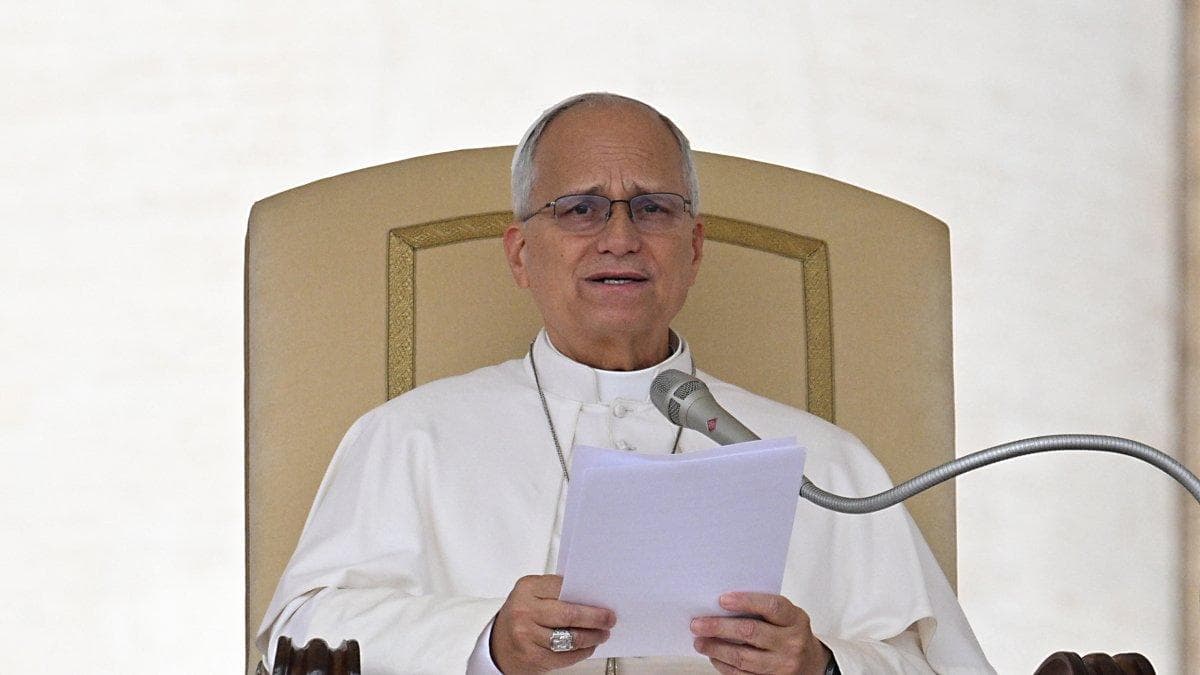
The relationship between the Trump administration and the Catholic Church is going through one of its most complex moments since Pope Leo XIV assumed the pontificate last year.
According to a report published by The Free Press, officials from the Pentagon summoned the Holy See's ambassador to the United States, Cardinal Christophe Pierre, to a meeting described as "unprecedented" in January, in which they made it clear to him that they expected the Catholic Church to align itself with Washington's foreign policy.
According to the media outlet, the meeting was highly surprising, since there is no public evidence of a previous Vatican official having a meeting at the Pentagon on any occasion.
"According to both Vatican and U.S. officials briefed on the meeting, Pentagon brass picked apart the pontiff’s January speech, reading it as a hostile message directed at Trump’s policies," the report reads. "What particularly enraged the Pentagon, one Vatican official said, was the passage in which Leo appeared to challenge the Donroe Doctrine—Trump’s update of the Monroe Doctrine, which asserts unchallenged American dominion over the Western Hemisphere."
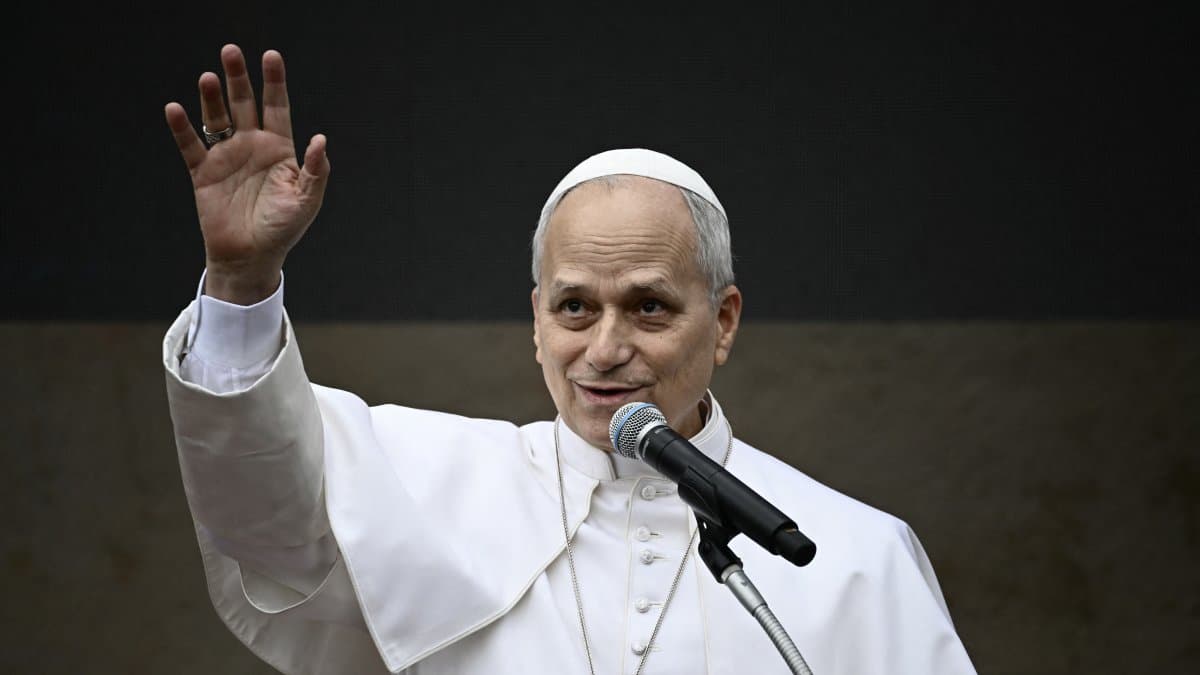
The report highlighted a passage from the pope's speech: "A diplomacy that promotes dialogue and seeks consensus among all parties is being replaced by a diplomacy based on force, by either individuals or groups of allies."
As the meeting progressed, the report described an impactful fact: U.S. officials invoked the 14th-century Avignon Papacy, i.e., the historical period when the French Crown used its military power to bend the will of the Bishop of Rome and control the papacy.
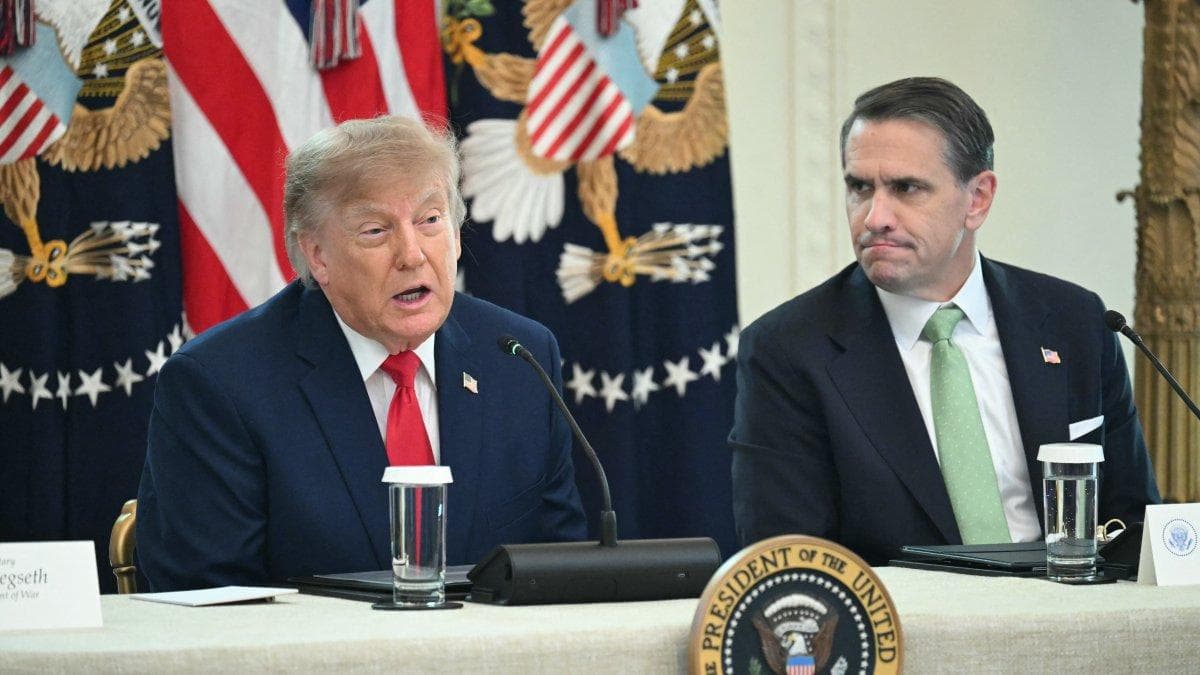
The message, according to the report, was not so implicit. Under Secretary of War for Policy Elbridge Colby and his colleagues reportedly told the cardinal: "America has the military power to do whatever it wants in the world."
Those words left Vatican officials dismayed. The fallout was immediate, with the pope indefinitely postponing his first official visit to the United States.
In fact, tensions would have escalated to the point that Pope Leo—the first U.S. pope—rejected President Trump's invitation to visit the country for the 250th anniversary of U.S. independence. Instead, on July 4, 2026, the pope will travel to Lampedusa, a small Mediterranean island that serves as a gateway for North African migrants seeking to reach Europe.
According to The Free Press, the choice of that date was not accidental: "No pope has ever been more aware of what that date means, and Leo is too deliberate to have chosen July 4 by accident."
One Vatican official even remarked how damaged the relationship is: "The Pope may well never visit the United States under this administration."
Reactions in Washington
Vice President JD Vance, who professes Catholic faith, was consulted on the matter from Hungary and said he would look into what happened before speaking out. "I would actually like to talk to Cardinal Cristophe Pierre and, frankly, to our people, to figure out what actually happened," he said. "I think it's always a bad idea to offer an opinion on stories that are unconfirmed and uncorroborated, so I'm not going to do that."
Amid the controversy, the Pentagon rejected the version of events published by The Free Press. A War Department spokesman told Newsweek that the characterization of the meeting was "highly exaggerated and distorted," adding, "The meeting between Pentagon and Vatican officials was a respectful and reasonable discussion. " We have nothing but the highest regard and welcome continued dialogue with the Holy See."
World
From impeachment demands to ceasefire: Trump's Iran critics spoke too soon
Emmanuel Alejandro Rondón
Journalist Peter Laffin also defended the Pentagon's version, explaining that Undersecretary Colby is Catholic and would never threaten the Church.
"I did a lengthy interview with Eldridge Colby a couple years ago about the role his Catholic faith plays in his worldview. There is no chance—zero, none—that he would have threatened the pope. I call fake news," Laffin told 'X'.
The pope, against the war
The background to the affair stems from Pope Leo's public stance on the war in Iran.
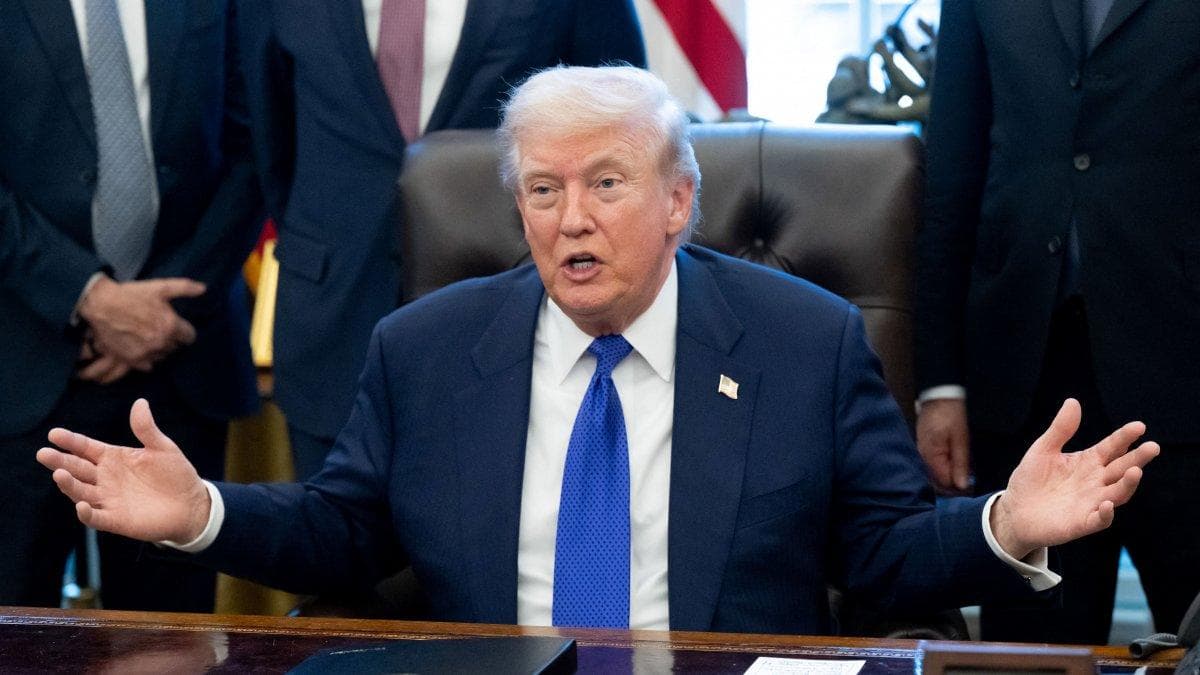
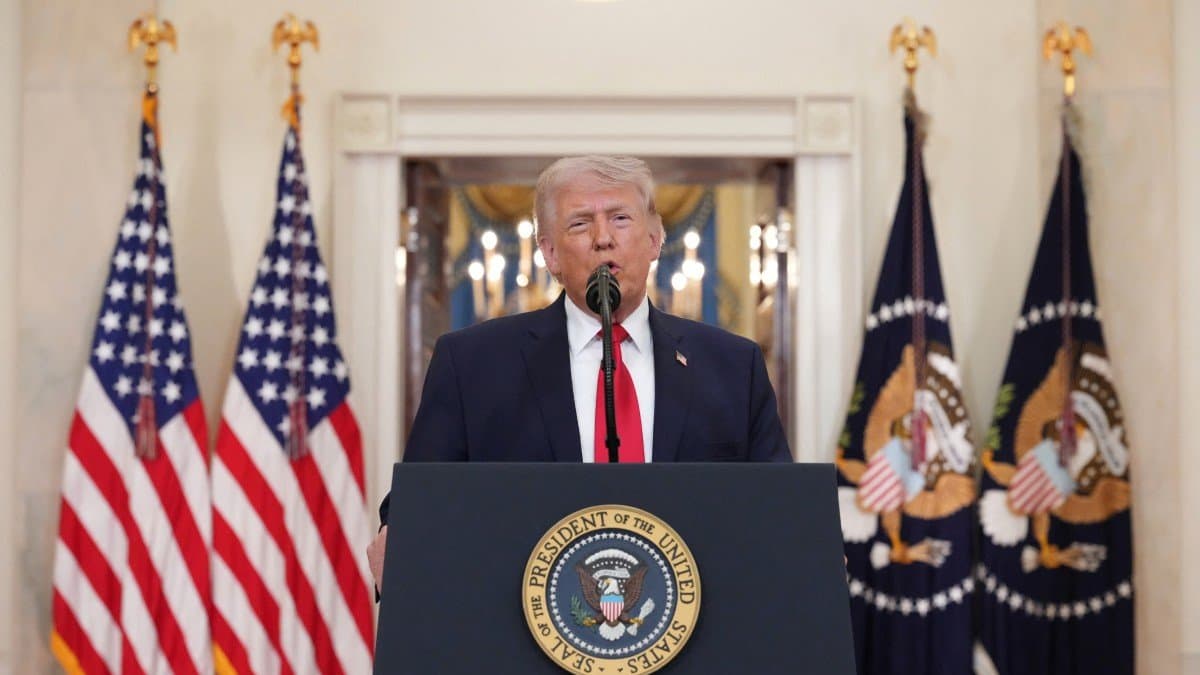
Speaking to reporters as he left his country residence at Castel Gandolfo in Rome on Tuesday, the holy father responded directly to Trump's comments suggesting that "an entire civilization will die tonight" if Iran did not comply with the U.S. leader's own deadline.
Leon rejected the statements: "Today, as we all know, there was this threat against all the people of Iran. This is truly unacceptable." The pope also argued that bombings against civilian infrastructure are against international law and called on both sides to seek a peaceful solution at the negotiating table. Hours later, Trump announced a two-week ceasefire.
A gesture of rapprochement?
In the full swing of events, the official account of the U.S. embassy to the Holy See published on Wednesday images of an apparently cordial meeting between Ambassador Brian Burch and Archbishop Gabriele Giordano Caccia, the new apostolic nuncio to the United States. According to the publication, the two officials "held a wide-ranging discussion on the U.S.-Holy See relationship, including opportunities to work together on many issues of mutual concern."
🛠 Do you think there is an error in this article?
Recommendations
LATEST