






Reports: Iranian crackdown leaves more than 36,000 dead
Other testimonies reinforced the picture of extreme violence. The account of an anonymous Iranian surgeon described hospitals as "mass casualty zones," with "pools of blood" and constant gunfire.
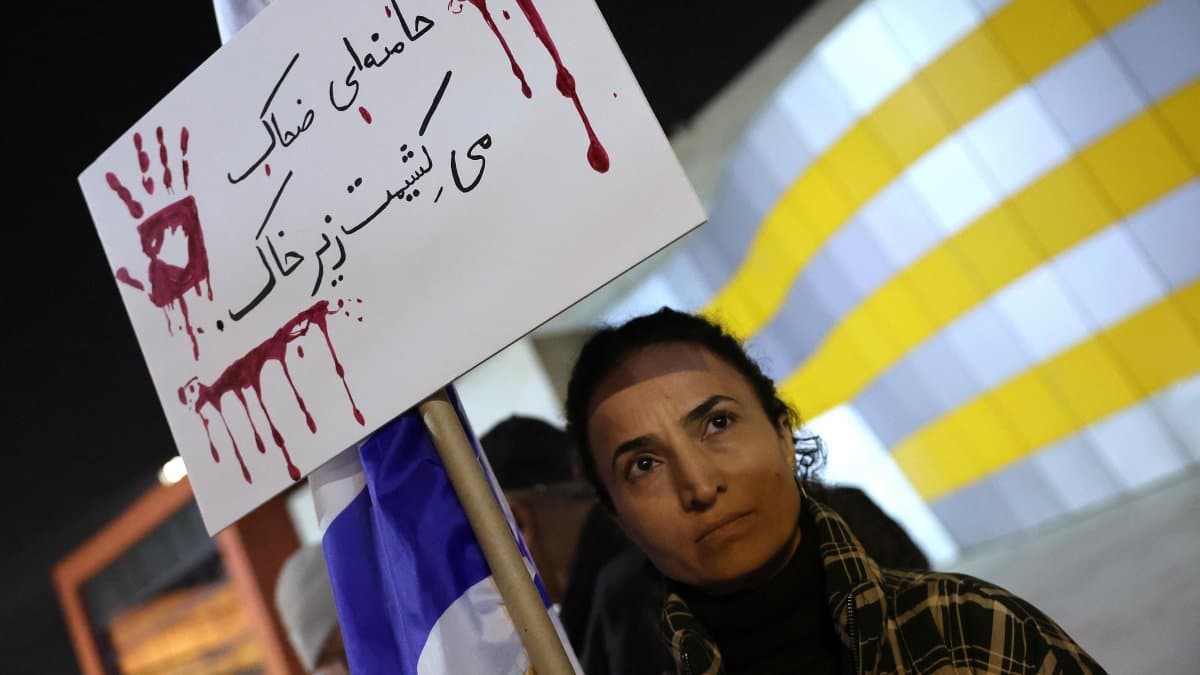

A crackdown lasting just two days against protests in Iran would have caused more than 36,000 deaths, according to intelligence reports and multiple journalistic investigations.
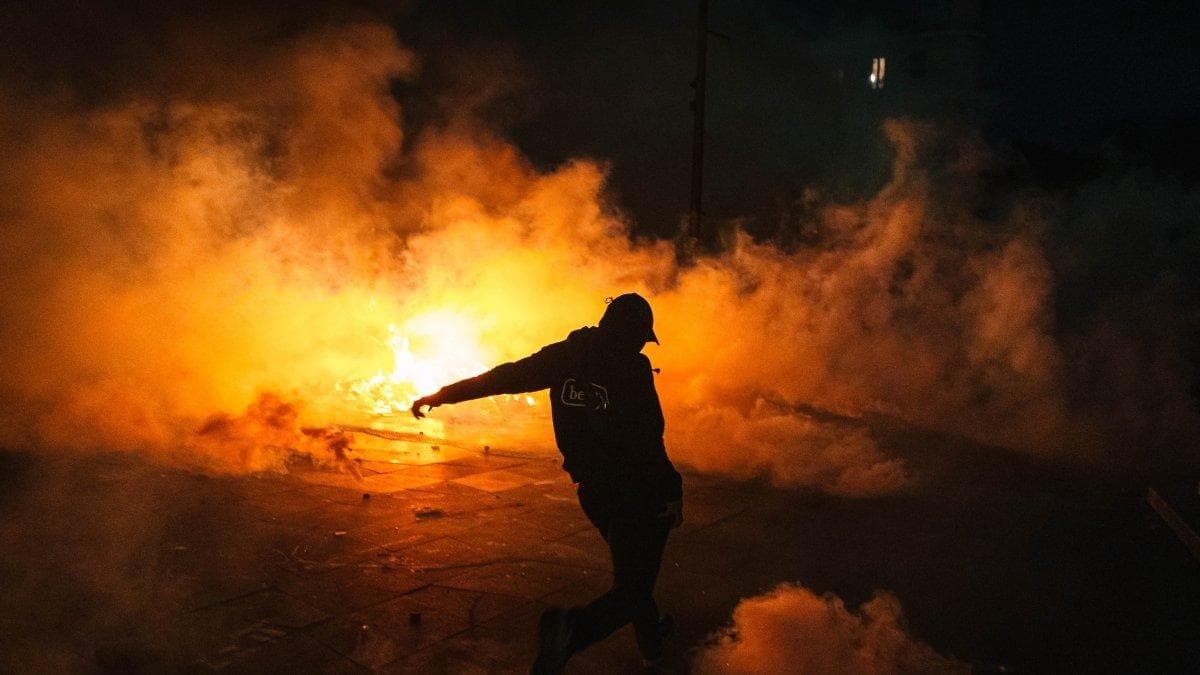
The protests began on Dec. 28, initially spurred by traders' strikes in Tehran, and quickly spread to more than 400 cities and towns across the country amid economic deterioration and political repression. The Iranian regime's response, various international media and human rights organizations concur, included the use of live ammunition, extrajudicial executions and a near-total communications blackout.
According to The Media Line, the crackdown intensified following a direct order from Iran's supreme leader, Ali Khamenei, to "mercilessly crush" the protests "by any means necessary." The media outlet, citing testimony from the Iran Human Rights Documentation Center, reported that security forces transferred injured protesters, some still alive, to forensic facilities, where they were placed in body bags and executed if they showed signs of life.
A forensic medicine specialist in Tehran told the same media outlet that injured protesters were removed midway through medical treatment and transferred alive to morgues. Health professionals recounted seeing corpses with oxygen tubes, intravenous lines and monitoring electrodes still attached, suggesting that some patients were executed inside hospitals or ambulances.
"Victory through terror"
According to Iran International, which claimed to have reviewed classified intelligence materials, the regime launched its decisive offensive on Jan. 8-9, deploying forces from the Islamic Revolutionary Guard Corps (IRGC) and Basij militia. Those documents note more than 4,000 points of engagement and describe internal orders that authorized the unrestricted use of lethal force under slogans such as "victory through terror."
The regime's own initial internal counts would have estimated at least 12,000 deaths in the days following the crackdown, according to an assessment submitted on Jan. 11 to the Supreme National Security Council. Subsequent updates drastically raised the figure: documents cited by Iran International mention 27,500 dead, then more than 30,000 according to Interior Ministry consolidations, and finally more than 36,500 dead in IRGC intelligence reports dated Jan. 22 and 24.
The protest death toll in Iran could top 30,000, according to local health officials.https://t.co/tvUex8z3rz
An independent investigation by the New York Times, published Sunday, reconstructed the crackdown based on verification of hundreds of videos and interviews with witnesses, medical personnel and victims' relatives. The newspaper reported that security forces fired from rooftops and police stations, chased protesters with motorized units and opened fire on fleeing crowds in Tehran and at least 19 other cities.
The Times described overflowing hospitals, emergency rooms operating in battlefield-like conditions and overcrowded morgues, while families had to identify loved ones by numbered photographs. Verified images showed body bags lined up in hospitals as well as bodies with signs of recent medical treatment.
TIME, citing two senior Iranian Health Ministry officials, reported that some 30.000 people could have died on the streets within 48 hours. According to hospital data shared with the publication, 30,304 deaths were recorded as of Jan. 9, although the magazine cautioned that the figure probably does not include victims transferred to military hospitals or buried outside official channels during the communications blackout.
"Mass casualty areas"
Other testimonies reinforced the picture of extreme violence. The Guardian published the account of an anonymous Iranian surgeon who described the hospitals as "mass casualty zones," with "pools of blood" and constant gunfire. Israel Hayom reported, citing an Iranian citizen, that mortar shells were even allegedly used in some cities, a claim that could not be independently verified.
Despite the magnitude of the reports, Iranian authorities officially acknowledge only 3,117 deaths and attribute the unrest to foreign "terrorist cells," accusing the United States and Israel of fomenting unrest.
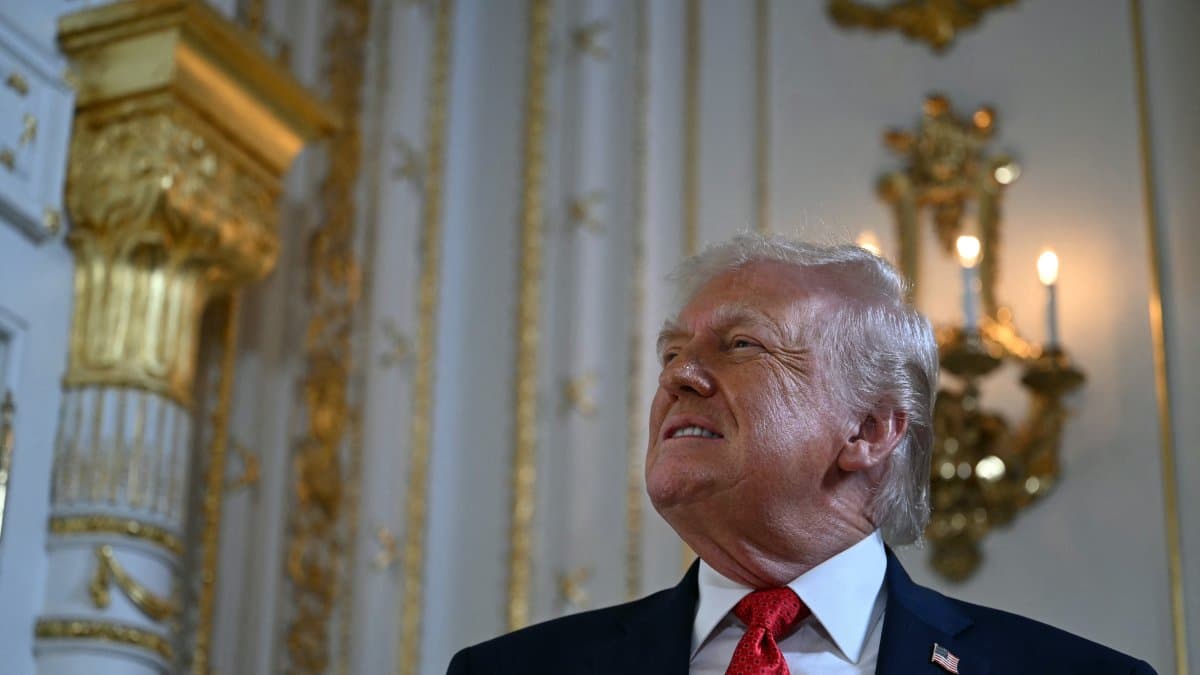
The revelations come against a backdrop of growing international tension. Last week, U.S. President Donald Trump called for "new leadership" in Iran and announced the repositioning of military assets in the region, while expanding economic sanctions against financial networks linked to the regime.
The Human Rights Activists News Agency (HRANA)
According to the latest aggregate data from HRANA, a U.S.-based human rights organization, on the 29th day of protests, the total number of confirmed deaths has reached 5,848. Of these, 5,520 are protesters, 77 are minors, 209 are government-affiliated forces and 42 are civilians or non-demonstrators.
The number of deaths still under investigation stands at 17,091. The total number of arrests has reached 41,283; the number of people with serious injuries stands at 7,804; and there have been 240 reported cases of forced confessions being broadcast, the NGO said in its Sunday report.
The number of people summoned to security forces has reached 11,023. A total of 645 incidents related to the protests have been recorded in 197 cities in 31 provinces.
🛠 Do you think there is an error in this article?
Recommendations



LATEST