The UN condemns Iran in a resolution that avoids mentioning US and Israel
The initiative was supported by 13 of the 15 members of the body. There were no votes against, but China and Russia abstained.
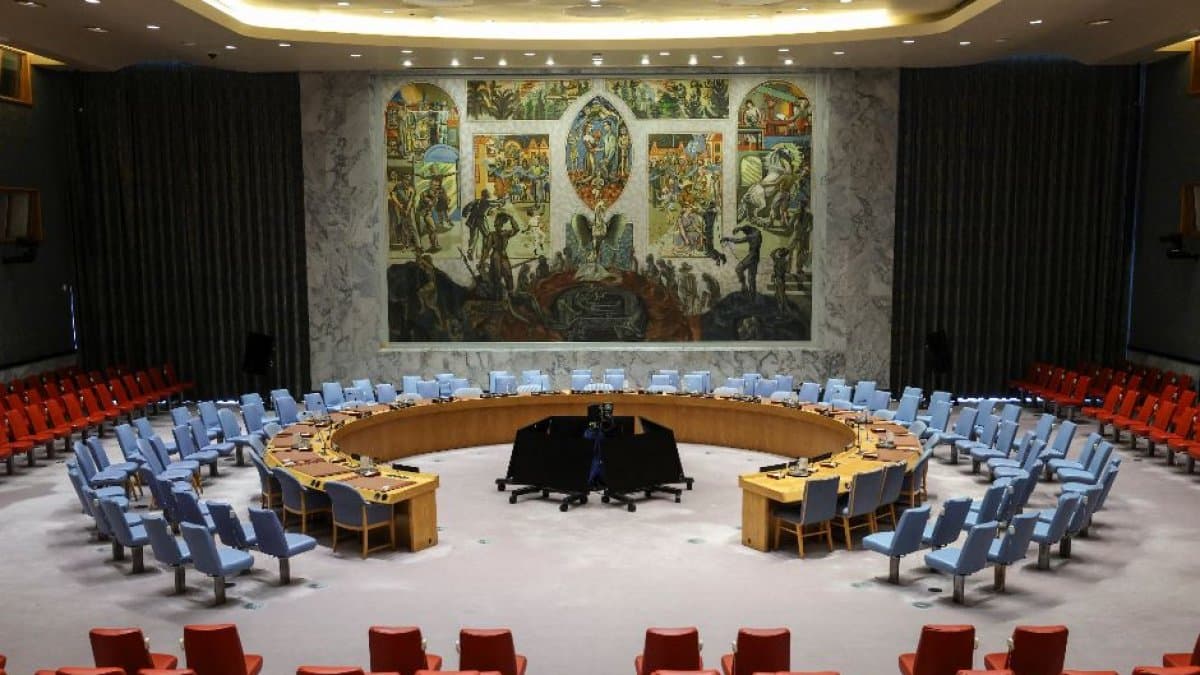

The United Nations Security Council approved a resolution Wednesday demanding Iran immediately end its attacks on several Persian Gulf countries, deeming these actions as violating international law and posing a grave threat to international peace and security.
The initiative was submitted by Bahrain on behalf of the Gulf Cooperation Council and won the backing of 13 of the body's 15 members. There were no votes against, but China and Russia abstained. Prior to the vote, 135 countries - including the United States, Israel, the United Kingdom, France and Spain - had publicly endorsed the proposal.
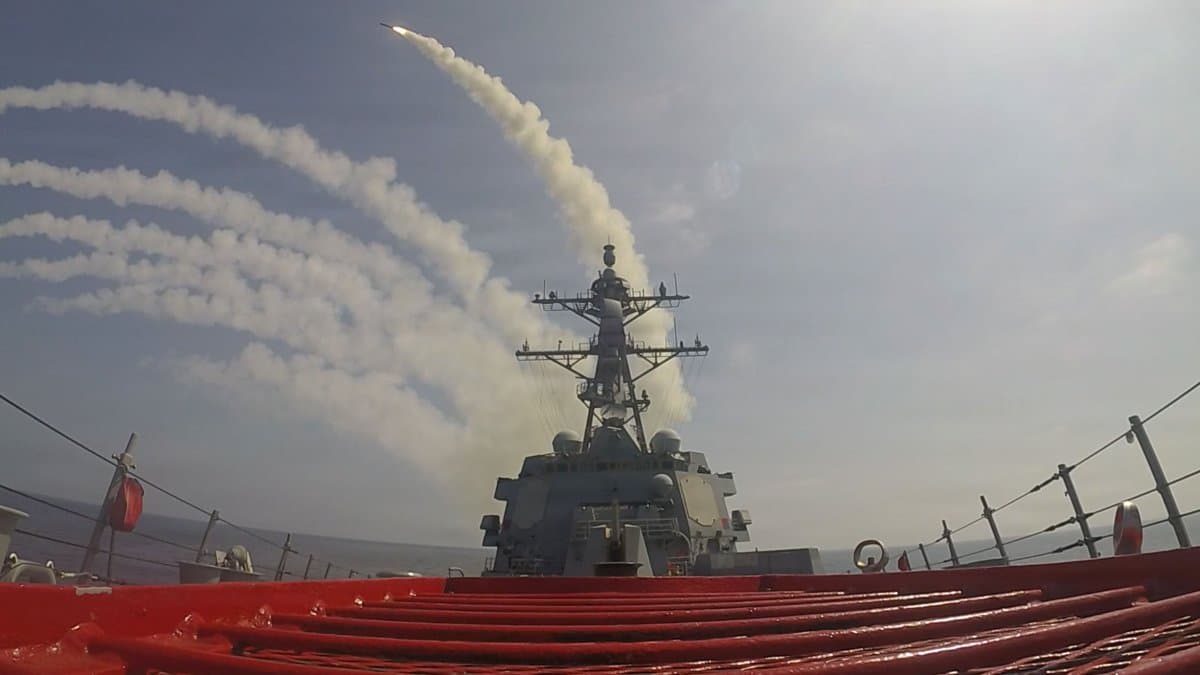
The resolution focuses on Iranian attacks against Gulf countries and does not include references to U.S. and Israeli bombings.
Condemnation of attacks against neighboring countries
The document denounces Iranian bombings against Kuwait, Oman, Qatar, Saudi Arabia, the United Arab Emirates and Jordan. In this context, the Council demands that Tehran stop "immediately and unconditionally" any provocation or threat against neighboring states.
In addition, the text urges Iran to comply fully with its obligations under international law, including international humanitarian law, particularly as they relate to the protection of civilians and civilian infrastructure during armed conflict.
The resolution also reaffirms the body's support for the territorial integrity, sovereignty and political independence of the countries concerned, while condemning the deliberate attacks on civilian objects and the casualties they have caused.
Bahrain's ambassador to the UN, Jamal Alrowaiei, noted that the outcome of the vote reflects the international community's rejection of Iranian attacks against countries in the region.
Concern over energy routes
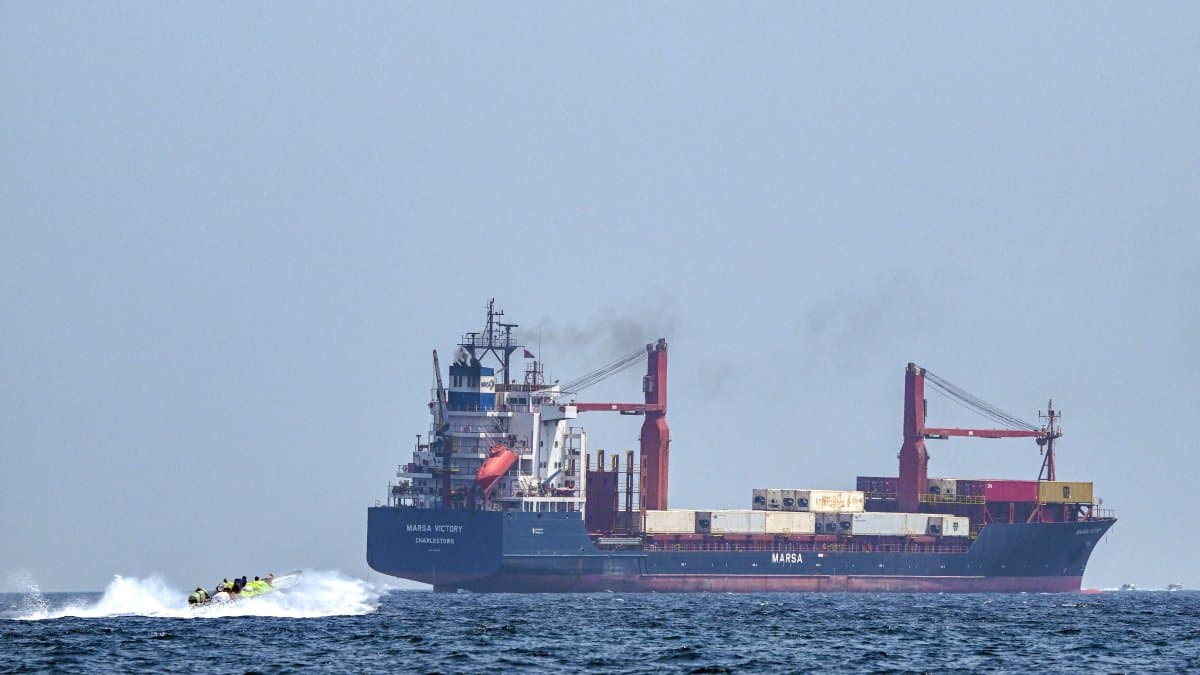
Both routes are key to global energy trade. Approximately one-fifth of global oil transits the Strait of Hormuz, which has heightened concerns about the conflict's impact on international markets.
The resolution warns that any attempt to impede freedom of navigation in these international waterways would constitute a serious threat to international peace and security, and urges Tehran to immediately refrain from any such action.
🛠 Do you think there is an error in this article?
Recommendations








LATEST