Immigration policy toward Cuba tightens: more detentions and fewer green cards
The Cato Institute estimates that close to one million people, including Cubans and other nationalities, have been affected by the freezing of immigration applications.

A recent analysis by the Cato Institute points to a drastic turn in the immigration policy toward Cubans in the country under the Trump administration. According to the report, arrests by Immigration and Customs Enforcement (ICE) have skyrocketed, while the granting of permanent residency has fallen to historic lows.
Sharp drop in residency approvals
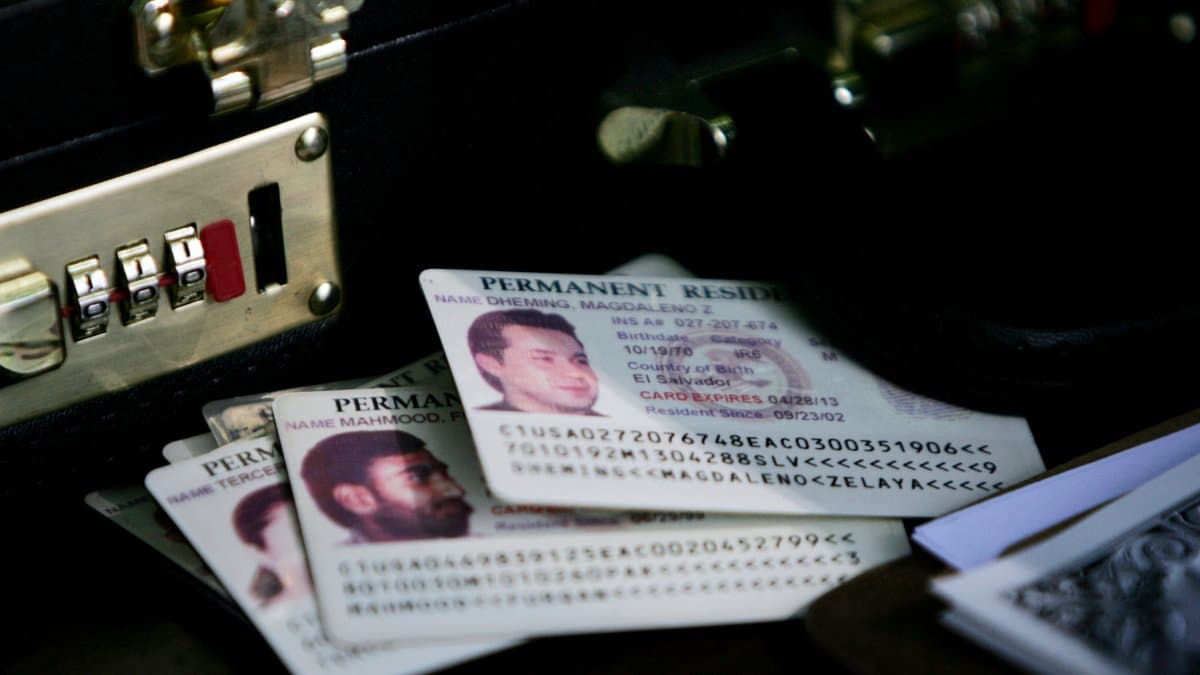
Prior to the change in administration in October 2024, the Citizenship and Immigration Services approved more than 10,000 permanent residencies for Cuban nationals. However, after Trump came to power, that number progressively dropped to just a few dozen by the end of 2025.
The report notes that, since December 2024, approvals have fallen by 99.8%. An illustrative example occurred in January, when out of 7,086 applications received only 15 were approved, while thousands remain on hold.
Increase in immigration detention
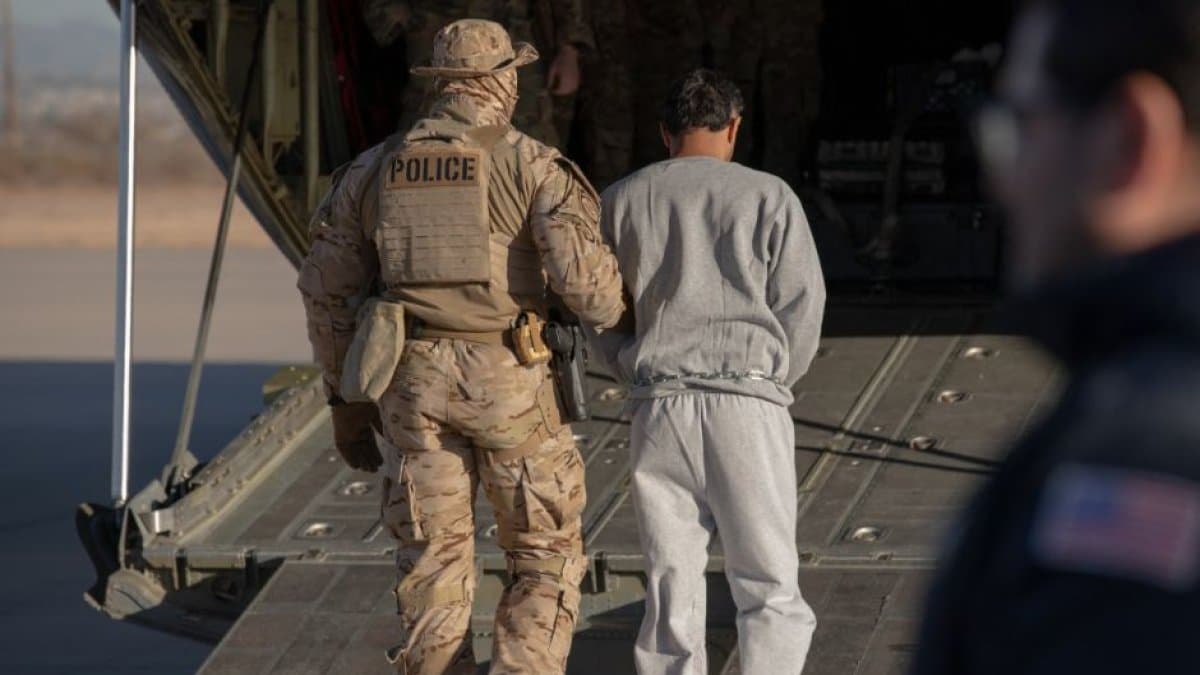
In parallel, detentions of Cubans by ICE have experienced significant growth. They went from less than 200 arrests per month by the end of 2024 to more than 1,000 per month by the end of 2025, representing a 463% increase, according to the analysis.
This increase is part of a broader strategy of immigration enforcement, which includes arrests, prolonged detentions and deportations within a more aggressive enforcement program.
"Legal limbo" for thousands of migrants
The combination of administrative delays and restrictions has left thousands of Cubans in a state of legal uncertainty. Traditionally, this community benefited from more streamlined processes thanks to the Cuban Adjustment Act, which allows them to apply for residency after a year and a day in the country.
However, the freezing of procedures has prevented many from accessing this benefit. The Cato Institute estimates that close to one million people, including Cubans and other nationalities, have been affected by the paralysis of immigration applications.
Policy changes and elimination of programs
Experts argue that these policies not only affect irregular migration, but also legal migration, by limiting the avenues available to obtain permanent status.
Impact on communities and public opinion
Southern Florida, the main hub of the Cuban diaspora, has been especially hard hit. Many residents face long waiting periods without resolution of their cases.
On the political front, recent polls indicate a nuanced position within the Cuban-American community: while there is support for certain policies toward Cuba, a majority disapproves of the increase in deportations of Cubans without criminal records.
General trend of the migration system
The report also reveals that the reduction in the granting of residency is not limited to Cubans. In general terms:
- Approvals of 'green cards' have been cut by about half.
- Residencies for family reunification have fallen by 20%.
- In the case of refugees, approval has plummeted by 99%.
According to analyst David Bier, author of the study, this strategy responds to a structural objective: to limit legal avenues of stay in order to facilitate deportations.
The data point to a profound transformation of the U.S. immigration system, in which the tightening of controls is combined with the reduction of legal regularization mechanisms. In the case of Cubans, historically favored by specific policies, the change has been especially abrupt, generating a scenario of growing uncertainty and vulnerability.
🛠 Do you think there is an error in this article?
Recommendations



LATEST