Pro-life organization argues before Indiana Supreme Court that religious freedom does not protect abortion
The controversy began in March, when Judge Christina Klineman of the Marion County Superior Court issued a permanent injunction blocking the application of the abortion ban against two anonymous plaintiffs. Both cited beliefs related to bodily autonomy, the idea that life begins at birth, and that the fetus is part of the mother’s body. One of the women identified as Jewish, while the other stated she was guided by personal religious and spiritual beliefs.
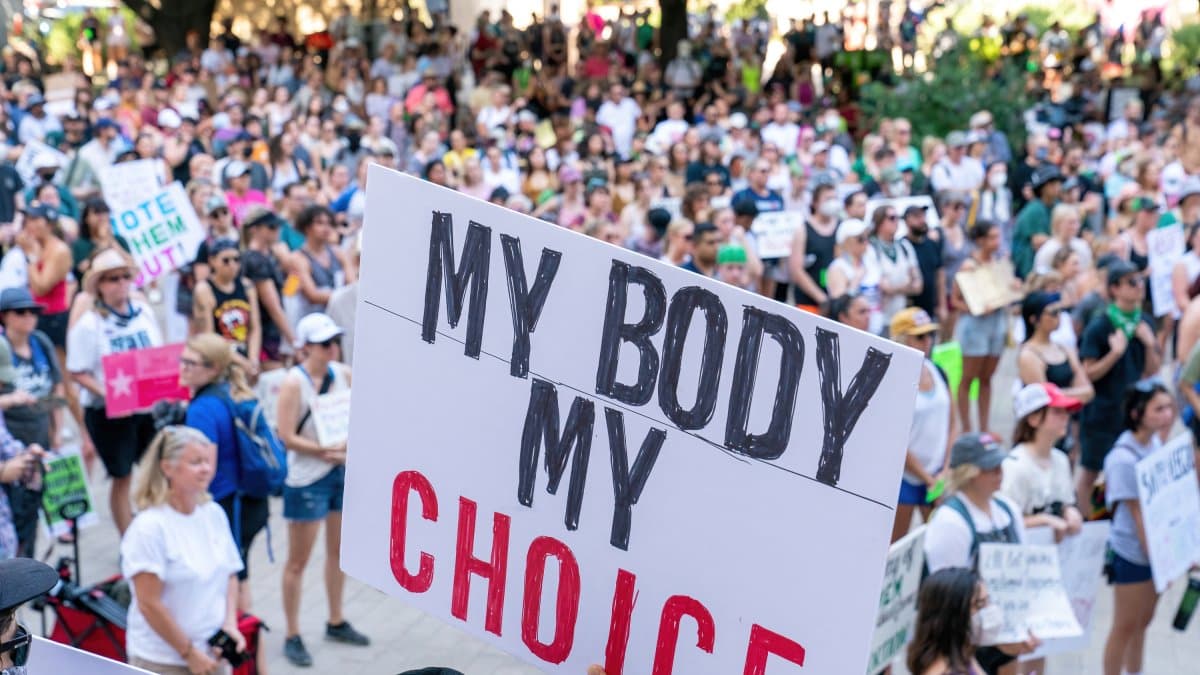

The legal organization Thomas More Society filed a brief with the Indiana Supreme Court requesting that it reject arguments seeking to recognize an alleged right to abortion under the guise of religious freedom. The case pits the state against two plaintiffs who argue that the abortion ban violates their religious and spiritual beliefs.
According to LifeSiteNews, Indiana’s legislation bans most abortions during pregnancy, with exceptions for cases of rape, incest, or medical emergencies during the first 10 weeks of gestation, as well as fetal abnormalities up to 20 weeks. The law also requires medical care for babies who survive abortion attempts.
The controversy began in March, when Judge Christina Klineman of the Marion County Superior Court issued a permanent injunction blocking the application of the abortion ban to two anonymous plaintiffs. Both cited beliefs related to bodily autonomy, the idea that life begins at birth, and that the fetus is part of the mother’s body. One of the women identified as Jewish, while the other stated she was guided by personal religious and spiritual beliefs.
The lawsuit argues that denying them access to abortion would violate Indiana’s Religious Freedom Restoration Act (RFRA), passed in 2015, which limits the government’s ability to impose substantial burdens on the exercise of religion without demonstrating a compelling state interest and the use of the least restrictive means to achieve it.
The office of Indiana Attorney General Todd Rokita appealed the decision, and the state Supreme Court agreed to review the case in April. Oral arguments are scheduled for September.
"This case is a Trojan horse"
"This case is a Trojan Horse. The ACLU and its clients want to call this religious liberty, but it isn’t—not under any historically honest understanding of the term," said Thomas Olp, executive vice president of the Thomas More Society. According to the legal expert, accepting this interpretation would not only weaken existing pro-life protections in Indiana but also alter the meaning and purpose of religious freedom.
The brief further argues that the tradition of natural law, which influenced the legal foundations of Indiana and the United States, historically condemned abortion while defending religious freedom. It also asserts that the state has a compelling interest in protecting prenatal life, a requirement provided for by state law.
For her part, the executive director of Voices for Life, Melanie Lyon, expressed the organization’s support for the attorney general and the state of Indiana in defending pro-life laws. "Religious freedom must never become a legal weapon to justify violence against unborn children and their mothers," she said.
🛠 Do you think there is an error in this article?
Recommendations





LATEST