






Trump bans entry to nationals of 12 countries for 'security risks' to the US
In addition, partial restrictions have been imposed on citizens of seven other countries, limiting their eligibility for certain visa categories.
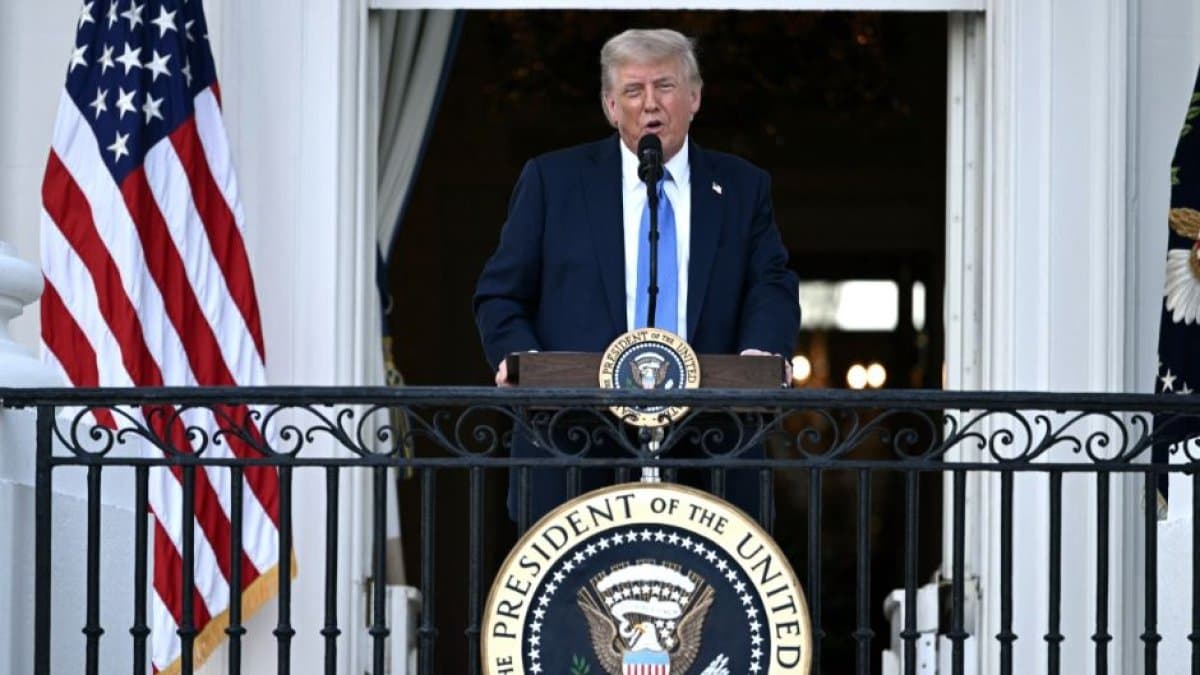

The U.S. government issued a presidential proclamation imposing severe immigration restrictions on citizens from more than a dozen countries. The measure responds to national security concerns, lack of consular cooperation and high rates of illegal stay after visa expiration.
These restrictions affect both immigrant and non-immigrant visas in categories such as tourism, business, study and cultural exchanges. They are based on analyses by the Department of Homeland Security and the Department of State, which identified persistent patterns of overstay and the refusal of some governments to cooperate in the repatriation of deported citizens.
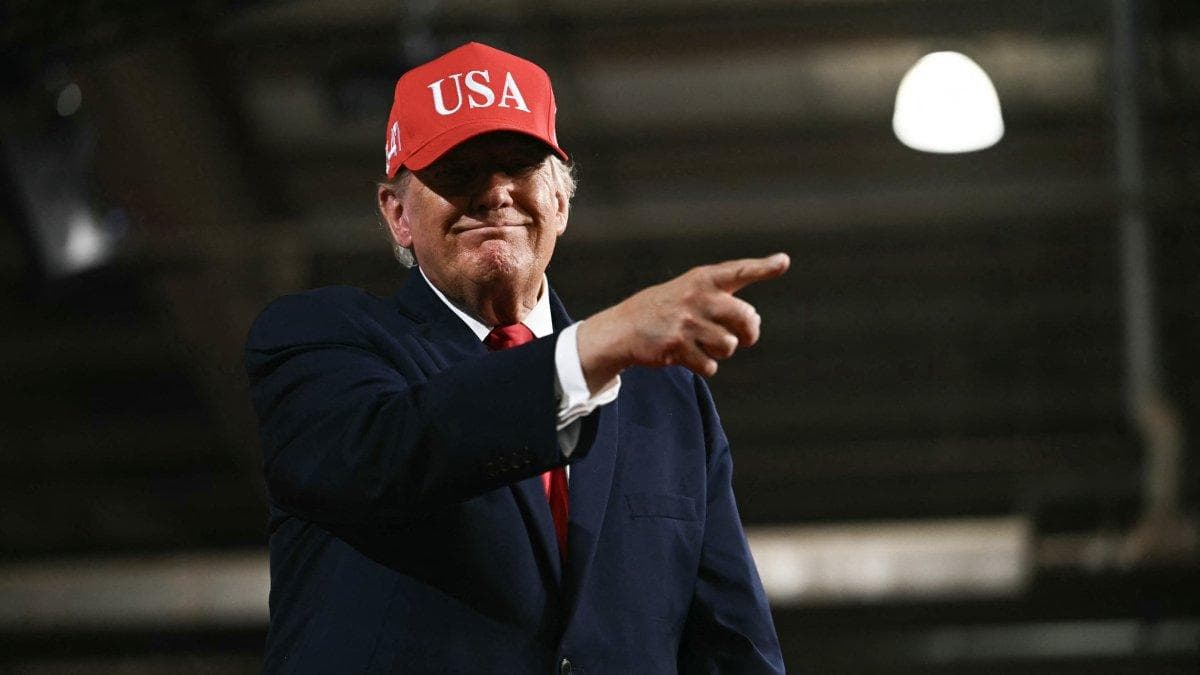
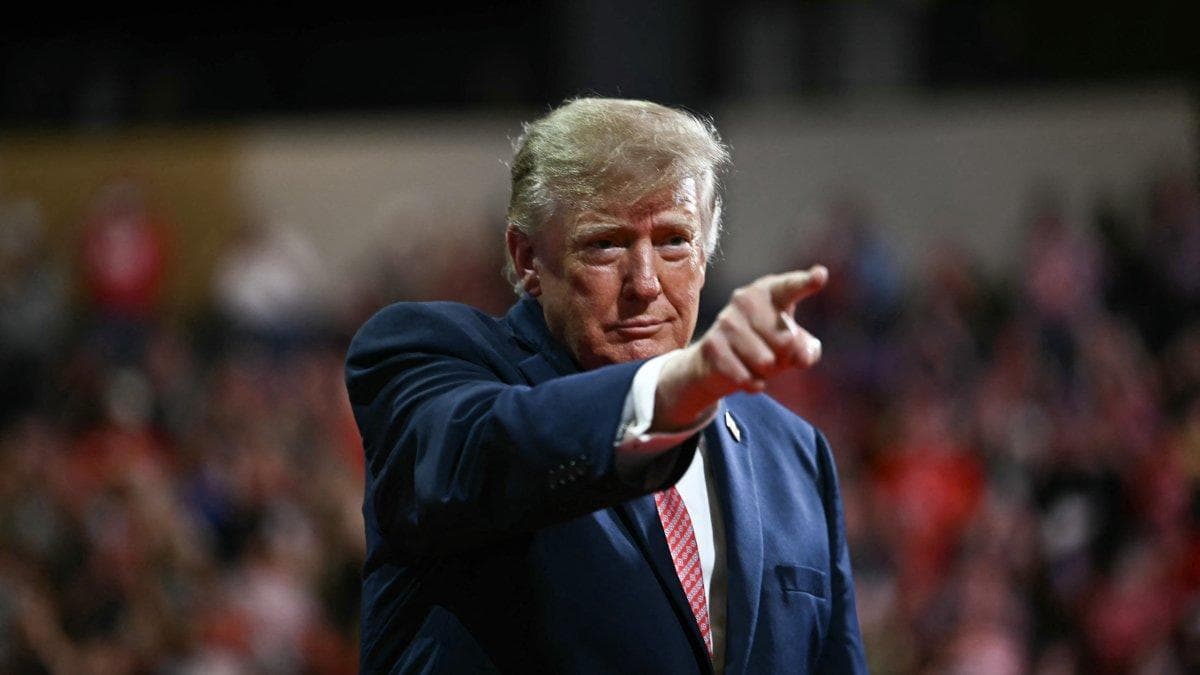
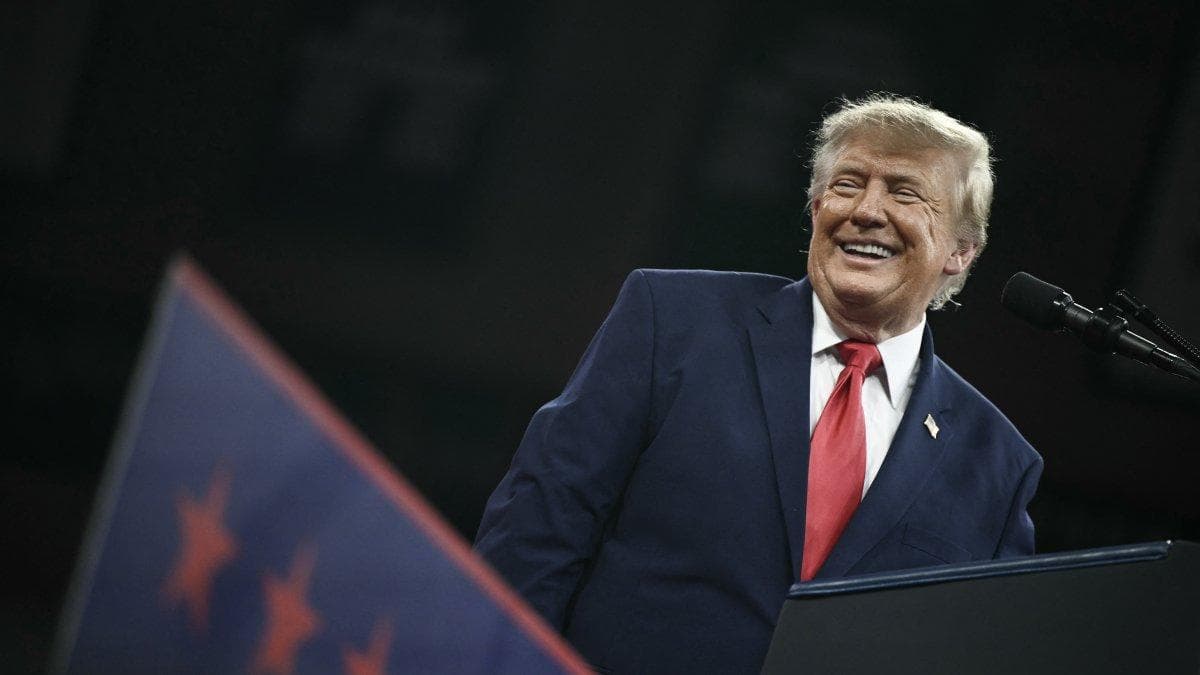
In a video released by the White House, the president stated, "We cannot have open migration from any country where we cannot safely and reliably vet and screen... That is why today I am signing a new executive order placing travel restrictions on countries including Yemen, Somalia, Haiti, Libya, and numerous others."
Total suspension of entry to the U.S.
Twelve countries face a complete suspension of entry under any type of visa, with exceptions limited to humanitarian or diplomatic cases. These countries are:
- Afghanistan: Taliban-controlled. High overstay rate and lack of documentary control.
-Burma: More than 42% of students and visitors overstay; refusal to receive deportees.
- Chad: Nearly 50% overstay on tourist visas. Charged with flagrant immigration noncompliance.
- Republic of Congo: High overstay rates and lack of cooperation.
- Equatorial Guinea: Overstay of more than 70% on educational and exchange visas.
- Eritrea: Lacks a reliable documentation system. Refuses the return of its deported citizens.
Haiti: High rates of illegal entry and demurrage. Lack of reliable police information.
- Iran: Considered a state sponsor of terrorism. Refuses security cooperation.
- Libya: No recognized documentary authority or cooperation. Active presence of terrorist groups.
- Somalia: Government without effective territorial control. Known safe haven for terrorist groups.
- Sudan: Overstay rate close to 30%. No reliable identity verification system.
- Yemen: In active conflict, no functional central authority. Insecure and uncontrolled territory.
Partial suspension of entry to the U.S.
Seven countries—Burundi, Cuba, Laos, Sierra Leone, Togo, Turkmenistan, and Venezuela—have suspended entries on specific temporary visas. These include B-1 and B-2 (temporary tourism and business), F and M (students), and J (cultural exchange) visas. In addition, any temporary visas in effect for nationals of these countries will be reduced in validity by U.S. consulates, limiting the time they can legally remain in the U.S.
- Burundi, Laos, Sierra Leone, Togo and Turkmenistan: These countries have high rates of illegal stay and governments that make it difficult or uncooperative to repatriate deportees, although they are not associated with terrorism risks.
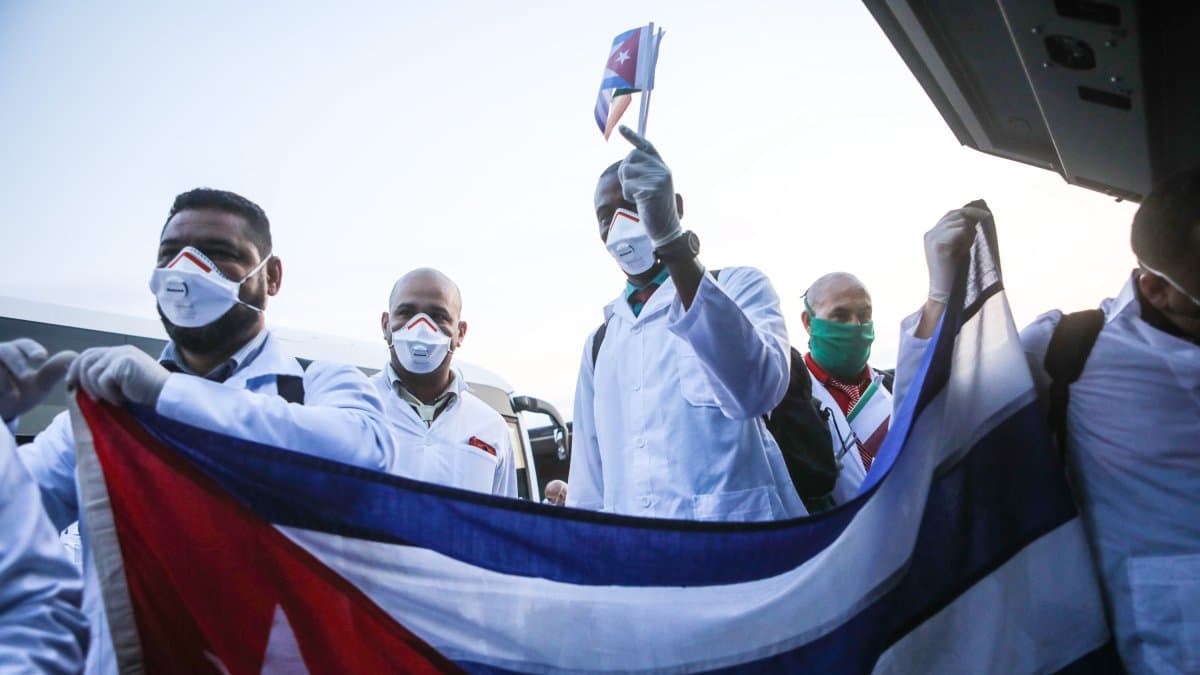
- Cuba: Considered a state sponsor of terrorism and does not cooperate with the U.S. on security nor does it accept deportees.
- Venezuela: It has a deep institutional crisis, no reliable systems for issuing documents, and refuses to collaborate in migratory processes. In addition, it faces a massive exodus.
Effective date
A measure that revives policies from his first term
Trump called these restrictions a continuation and strengthening of policies implemented during his first presidential term, in which he also limited entry from several Muslim-majority countries. He said such measures were "one of our most successful policies" to prevent attacks on U.S. soil.
"We will not allow people to enter our country who wish to do us harm, and nothing will stop us from keeping America safe," Trump maintained.
Impact and next steps
The order is already generating reactions from human rights and migration sectors, which warn about the potential impact on separated families, students and people fleeing humanitarian crises. However, Trump's team assures that the humanitarian exceptions will continue to exist, although under strict conditions.
With this decision, the president reinforces his discourse on national security and immigration control, key issues in his campaign strategy.
🛠 Do you think there is an error in this article?
Recommendations
LATEST