US offers 'immediate' humanitarian aid to Cuba in the wake of Hurricane Melissa
President Trump also authorized an immediate response from the country, ordering the State Department to mobilize support for affected communities in the Dominican Republic, Haiti, Jamaica and the Turks and Caicos Islands, where the storm caused widespread damage, with fatalities reported.
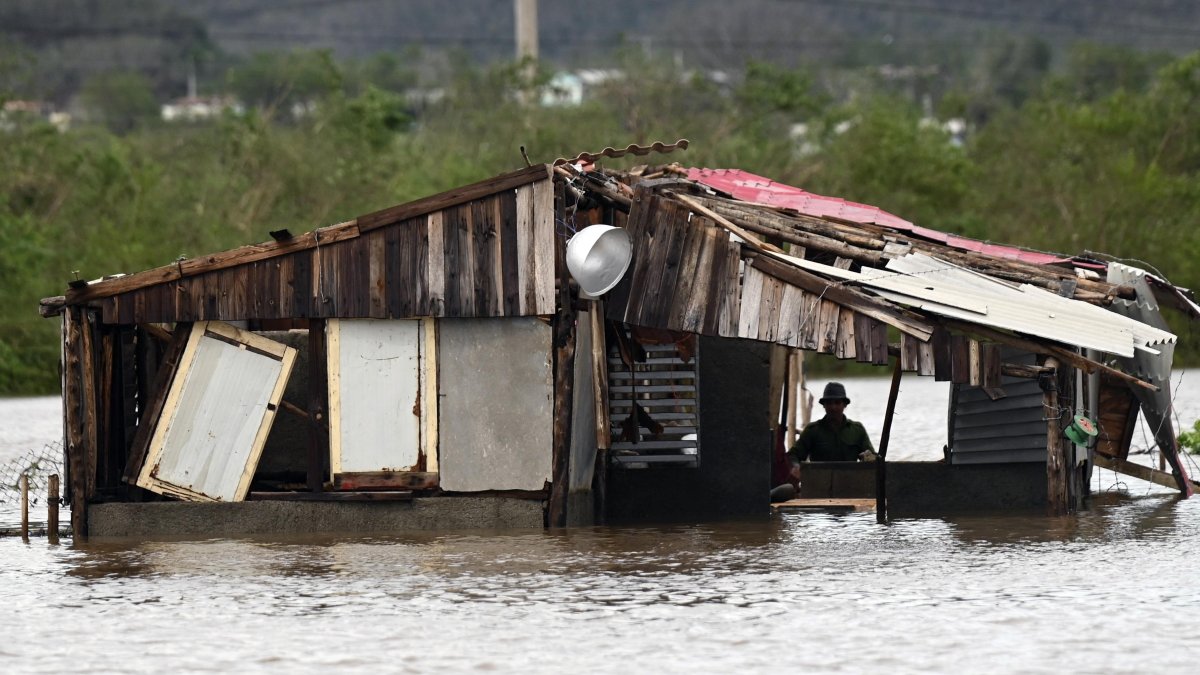
Eastern Cuba in the aftermath of Hurricane Melissa

The United States announced Thursday that it is "ready to offer immediate humanitarian assistance to the people of Cuba" following the devastation caused by Hurricane Melissa, which lashed the eastern part of the island with category 3 winds and left thousands of homes destroyed and areas cut off.
Secretary of State Marco Rubio said in a statement that the Trump administration "stands in solidarity with the brave Cuban people" and stressed that assistance will be coordinated both directly and through local partners and humanitarian organizations.
"As in neighboring Caribbean countries, the State Department is issuing a Declaration of Humanitarian Assistance for Cuba and is prepared to provide immediate support," Rubio said.
The Cuban-born politician added: "We encourage those who wish to directly support the Cuban people to contact us if any problems arise."
According to the State Department, U.S. rescue teams are already deploying to the Caribbean, where Melissa left severe damage in Jamaica, Haiti and eastern Cuba. Officials said humanitarian exemptions in force in U.S. law allow the shipment of food, medicine and private donations to the island.
Society
Haiti, Jamaica and Cuba try to get back on their feet after Hurricane Melissa's devastation
Diane Hernández
Society
Hurricane Melissa hits Cuba: Strong wind, rain and flooding damage eastern part of the country
Diane Hernández
Cuba begins to recover amid the rubble
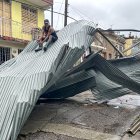
In Santiago de Cuba, Granma, Holguin, Guantanamo and Las Tunas, the population began to clear blocked roads with heavy machinery while the armed forces helped to rescue people trapped in isolated communities.
According to the official press, no fatalities were reported in Cuba thanks to the preventive evacuation of more than 735,000 people, although material damage is significant: roofs torn off, houses collapsed, fiber optic cables cut and agricultural losses in banana, cassava and coffee plantations.
However, the regime in Havana has not made any statement on the aid provided by the U.S., although Vice Minister Carlos Fernández de Cossío said that they are "awaiting details" on how the assistance will be delivered. It would not be the first time that the island's authorities have rejected aid from Washington.
A hurricane on misfortune
The Cuban regime boasted of the effectiveness of its evacuation system in the face of natural disasters, although the official speech itself revealed that more than 95% of the people protected during Hurricane Melissa were sheltered in the homes of relatives or neighbors, and not in state facilities.
No official figures of those affected have yet been given, nor has damage been quantified. Thousands of people in Cuba remain in temporary shelters or await help from authorities to recover from previous hurricanes, some are pending more than 10 years.
Caribbean devastated
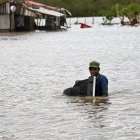
Hurricane Melissa, one of the most intense on record in the Atlantic, hit Jamaica as a Category 5 before moving on to Haiti and Cuba. In southern Haiti, authorities reported at least 25 deaths from overflowing rivers and mudslides, while thousands of people remain displaced. The total death toll in the Caribbean exceeds 30.
Rubio said Washington's response seeks to "help Caribbean countries stand up with dignity," highlighting cooperation with international agencies and local governments.
President Trump also authorized an immediate response from the country, directing the State Department to mobilize support for affected communities from the Dominican Republic, Haiti, Jamaica and the Turks and Caicos Islands, where the storm caused widespread damage, with fatalities reported.
Washington has begun distributing food, water, medical supplies, hygiene kits and temporary shelters in the hardest-hit regions of the Caribbean.
LATEST