Study says there is no clear evidence that cannabis-based medicine relieves chronic nerve pain
Researchers reviewed 21 clinical trials involving more than 2,100 adults and compared cannabis-based medication with placebo for periods of two to 26 weeks.
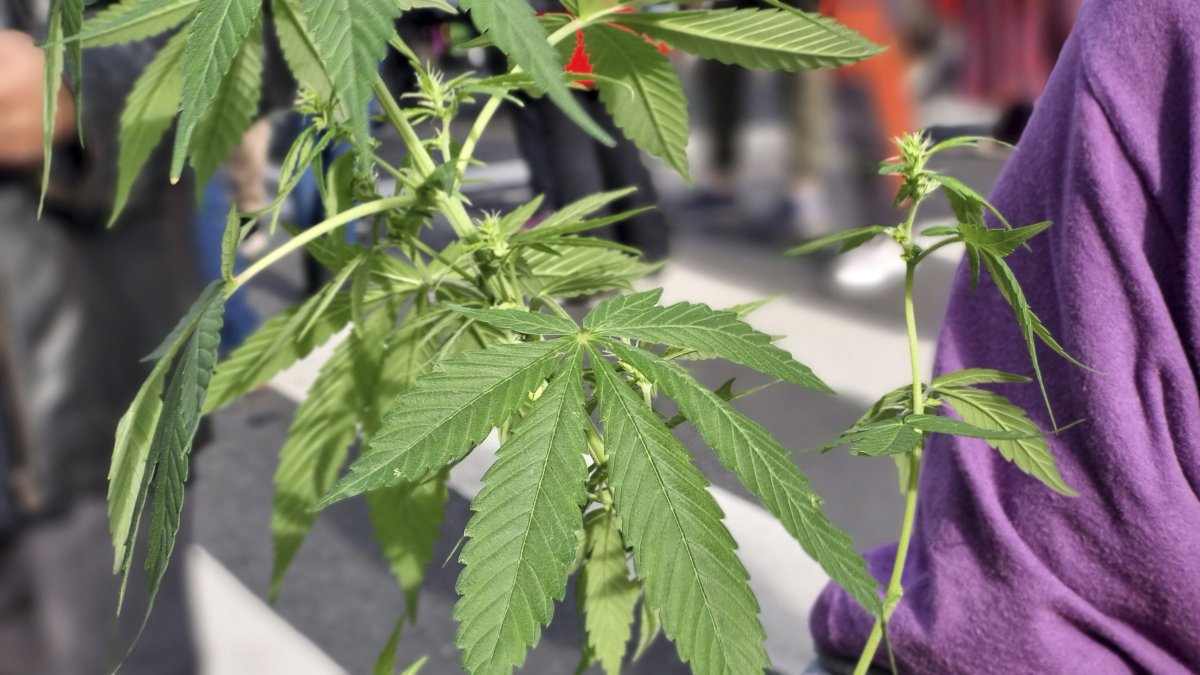
Cannabis

The Cochrane Library published a review that indicated there is no clear evidence that cannabis-based medicine provides relief from chronic neuropathic pain.
The report explained that researchers reviewed 21 clinical trials involving more than 2,100 adults and compared cannabis-based medication with placebo for periods from two to 26 weeks.
In that regard, the library specified that cannabis-based medicines were grouped into three types: products containing primarily THC, the psychoactive component of cannabis; products containing primarily cannabidiol (CBD), a nonintoxicating compound; and THC/CBD-balanced products, which contain similar amounts of both.
"The review found no high-quality evidence that cannabis-based medicines reduce neuropathic pain more than placebo across the three types of medicines. While some small improvements were reported by patients using products with both THC and CBD, these changes were not large enough to be considered clinically meaningful," the report detailed.

In addition, the report noted that adverse event reporting was not uniform across the included trials, so certainty about side effects was low or very low across all types of cannabis-based medication.
THC products were associated with increased symptoms such as dizziness and drowsiness, with a possible increase in the number of people dropping out of trials due to side effects.
Physician and review author from Technische Universität München and the Medical Center for Pain Medicine and Mental Health in Saarbrücken, Winfried Häuser, emphasized the need for better quality studies.
"We need larger, well-designed studies with a treatment duration of at least 12 weeks that include people with comorbid physical illnesses and mental health conditions to fully understand the benefits and harms of cannabis-based medicines. At present, the quality of most of the trials is too poor to draw firm conclusions," Häuser highlighted.
Cannabis as an option
These can take the form of medical cannabis or specific compounds extracted from the plant, including tetrahydrocannabinol (THC), and can be administered by inhalation, oral sprays, pills, creams or skin patches.
LATEST