ANALYSIS
Data centers hit the ballot box: The new political battle over AI
What began as a local dispute over electricity and water made its way into the midterm elections and is already becoming one of the key political issues of 2026.
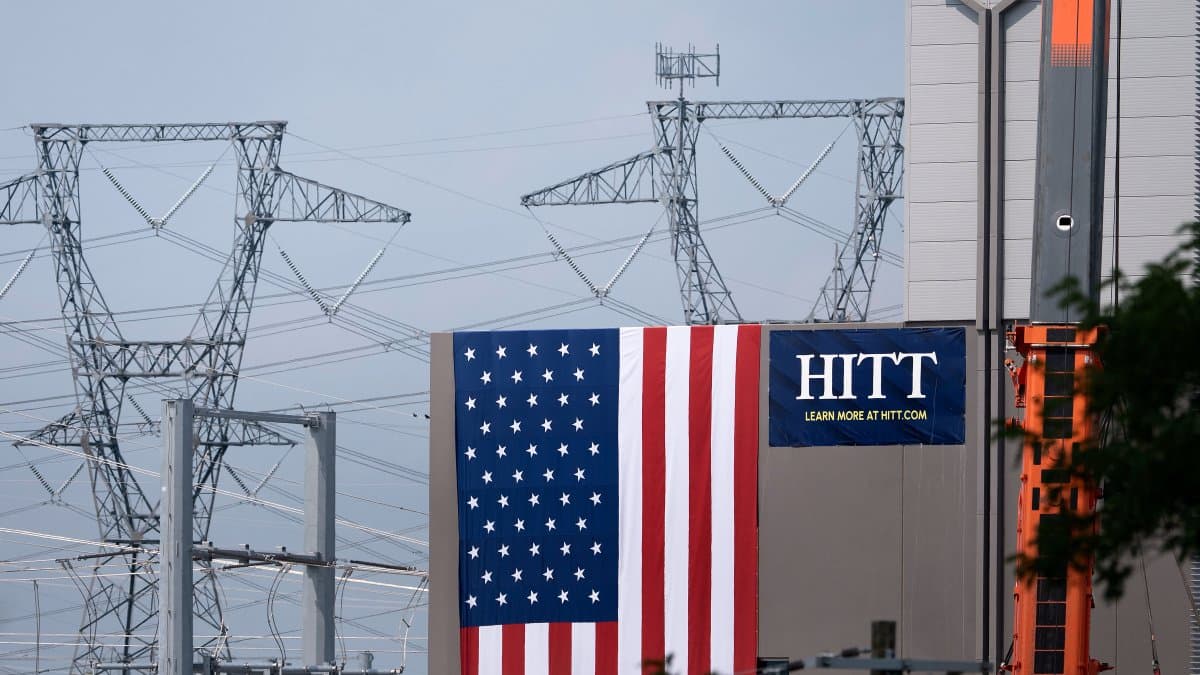

The expansion of the infrastructure needed to develop artificial intelligence has begun to stir controversy among voters because of its impact on electricity, water, land, and communities. In recent months, the debate has already entered the election campaigns in key states such as Michigan, Wisconsin, Ohio, and Pennsylvania. The controversy, with opinions ranging from strongly in favor to strongly against, centers on data centers.
In just a few years, data centers have gone from being infrastructure that was practically invisible to most Americans to a frequent topic of conversation across the country.
While advocates for data centers present them as infrastructure necessary to ensure that the United States does not fall behind in the race for artificial intelligence, some communities are debating how much energy they consume, who pays for new power grid projects, how much water they use, how many jobs they create, and what impact they have on the areas where they are built.
The debate also doesn't strictly follow traditional party lines. Republicans and Democrats support some projects and reject others, while various candidates try to strike a balance. Looking ahead to November, data centers are expected to be a major issue in the midterm elections.


Technology
ChatGPT, Claude, Grok, and Gemini experience simultaneous outages, affecting thousands of users
Williams Perdomo
What is a data center?
A data center is a facility that houses servers, networking equipment, and the support systems needed to store and process information. In other words, they are the backbone of services such as cloud computing and artificial intelligence tools.
Because artificial intelligence models require enormous processing power to train and operate, they need many servers. Consequently, this requires electricity and cooling systems.
According to a Pew Research Center analysis based on Data Center Map data, the United States already has more than 3,000 operational data centers, with more than 1,500 additional ones in various stages of development.
Currently, 87% of existing data centers are located in urban areas. In contrast, 67% of data centers planned, under construction, or with land reserved are in rural areas, compared with 13% of those currently in operation. Furthermore, three-quarters of the planned projects are concentrated in the South and the Midwest.
Resource consumption: Water and electricity
When it comes to resources, data center servers operate continuously and generate heat, so they require a large amount of electricity. To maintain their operations, they need a reliable and continuous power supply, as well as cooling systems to prevent the servers from overheating.
For example, in 2023 alone, data centers consumed approximately 176 TWh of electricity, equivalent to 4.4% of the United States' total electricity consumption.
In turn, according to a study by the Lawrence Berkeley National Laboratory published by the Department of Energy, that proportion could rise to between 6.7% and 12% by 2028, with annual consumption ranging from 325 to 580 TWh.


Politics
Deleted old posts about September 11 has placed candidate Abdul El-Sayed under intense scrutiny in Michigan
Andrés Ignacio Henríquez
As for water consumption, a medium-sized data center can use up to 300,000 gallons of water per day, while a large facility can consume up to 5 million gallons daily. Why so much water? Primarily, to cool the servers.
However, consumption depends on the center's size, the climate, and the cooling technology used. According to the World Resources Institute, by 2028, data centers linked to artificial intelligence could require up to 32,000 million gallons of water per year in the United States.
"A lot of noise"
Electricity and water aren't the only concerns for communities hosting these projects. Noise has also become a source of conflict, especially when data centers are located near residential areas.
Data centers produce noise mainly from their cooling systems and other facility equipment. According to Virginia's Joint Legislative Audit and Review Commission (JLARC), this noise is typically low-frequency and can sound like a constant hum. The agency describes it as a "drone" or "hum" similar to the sound of a home air conditioner, but on an industrial scale.
Although it isn't very loud in many cases, the main complaint from neighbors is that the sound can be continuous.
The JLARC study notes that, in the cases analyzed, the noise from data centers was generally below the 55- or 60-decibel limits established for residential areas in some Virginia counties. However, unlike intermittent noise, the hum of cooling equipment can persist for long periods.
Nevertheless, this does not mean that all data centers cause problems. In fact, JLARC concluded that the vast majority do not generate noise complaints, mainly due to their location or design. Conflicts arise primarily when facilities are located near residential areas.

What about jobs?
Advocates of data centers highlight the investments and jobs they generate, while also asserting that they are part of the future of the economy. Building these facilities can employ hundreds of workers, including technicians, electricians, contractors, and other skilled workers.
On the other hand, critics point to the low percentage of permanent jobs once construction is complete. According to the World Resources Institute, a review of more than 1,200 data centers found that even the largest facilities employ fewer than 150 permanent workers, and some as few as 25.
CoreWeave, a New Jersey-based IT company, announced that its data center in Lancaster, Pennsylvania, will create about 600 jobs during construction and will initially have about 70 permanent technical and operational positions, which could rise to 175 over time. The company also estimates that each data center job generates more than six additional jobs in the United States, according to a PwC study cited by the company.
Sanders and Sheehy: A clash of visions
The debate over data centers cuts across both political parties and is critical to the United States' economic and strategic future.
This clash of visions can be summed up by two political figures in the Senate: Tim Sheehy of Montana and Bernie Sanders of Vermont.
Supporters of data centers, such as Senator Sheehy, argue that opposing these projects is essentially refusing to enter the 21st century, thereby harming millions of families.
"First they killed our timber mills, then our mines, then our factories - now data centers. Every good-paying, middle-class employment powerhouse has been systematically murdered by globalist and communist lobbying in America sending those jobs, that industry, and all of its economic impact overseas," the Republican recently wrote on his X account.
"Every politician calling for the end of data centers is also calling for the destruction of the future jobs they create and the end of Netflix, X, YouTube, Instagram, Spotify, Google, Amazon, and every app you actually use. They all run on data centers," he added.

Politics
Marine, pastor, and former mayor: Republicans’ pick for key California House race
Joaquín Núñez
On the other side of the aisle, Senator Sanders is a leading critic of the rapid expansion of data centers. The progressive from Vermont, along with Congresswoman Alexandria Ocasio-Cortez, introduced a bill to establish a moratorium on new AI data centers until federal safeguards are in place regarding their economic, environmental, and social impacts.
Furthermore, he is far more pessimistic than Sheehy about the impact on jobs: "AI will likely have a catastrophic impact on the lives of working-class Americans, eliminating tens of millions of blue- and white-collar jobs in every sector of our economy."
"We cannot sit back and allow a handful of billionaire Big Tech oligarchs to make decisions that will reshape our economy, our democracy and the future of humanity. We need serious public debate and democratic oversight over this enormously consequential issue. The time for action is now. We need a federal moratorium on AI data centers," he declared.
What does Trump say?
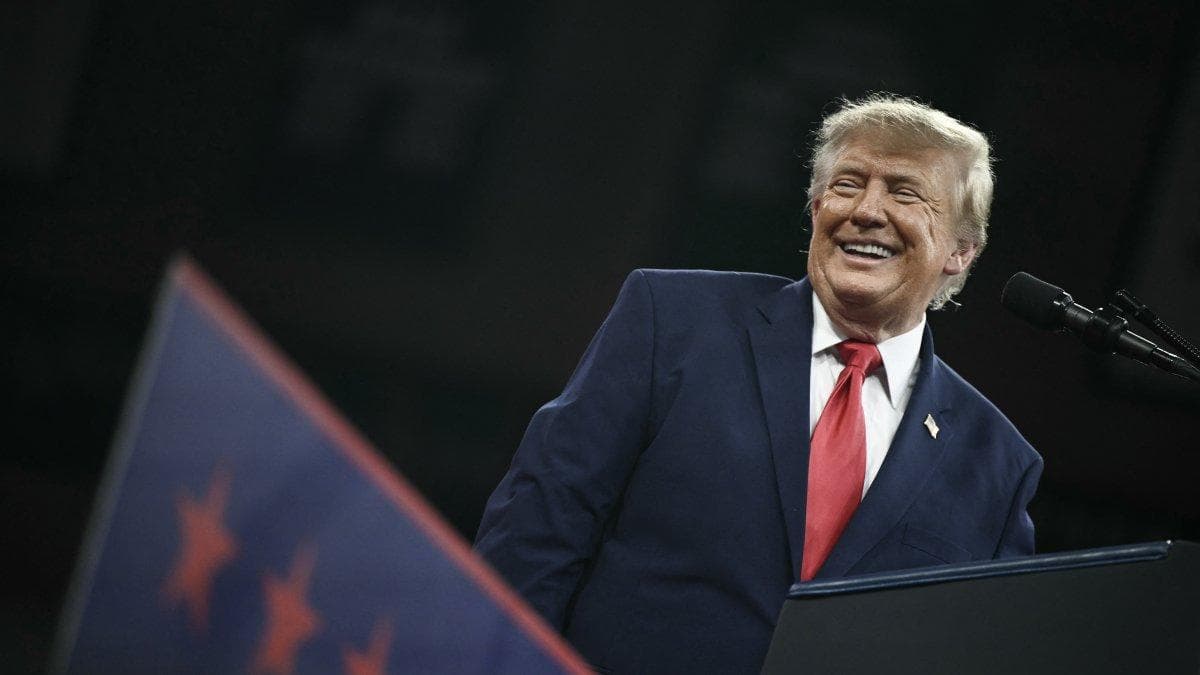
President Donald Trump advocates expanding data centers as a key driver of U.S. economic growth and competitiveness with China.
According to the Republican, communities that reject these facilities risk falling behind: "The only reason that communities throughout the U.S.A. should not want Data Centers is if they want to end up being backwards and poor."
"If they want to be successful and rich, with far lower taxes and jobs all over the place, let Data Reign. The good news is that there are plenty of other places that want them. If we kill the Golden Goose, you will only have yourselves to blame. China could not be happier with this anti Data Center movement. Actually, they can’t believe it is happening!" he added.
Politics
Elon Musk's super PAC spends its first $800,000 to boost Republicans in the midterms
Joaquín Núñez
Trump seeks to balance the expansion of data centers while preventing the full brunt of energy costs from falling on families. To that end, the White House launched the Ratepayer Protection Pledge. This initiative aims to have data center developers cover the costs of the electrical infrastructure required for their projects, preventing those investments from being passed on to households' electricity bills.
According to the Trump administration, more than 300 organizations have already signed on to the pledge, which would cover nearly 80% of the electricity distributed in the United States.
The impact on key states: Pennsylvania, Ohio, Michigan, and Wisconsin
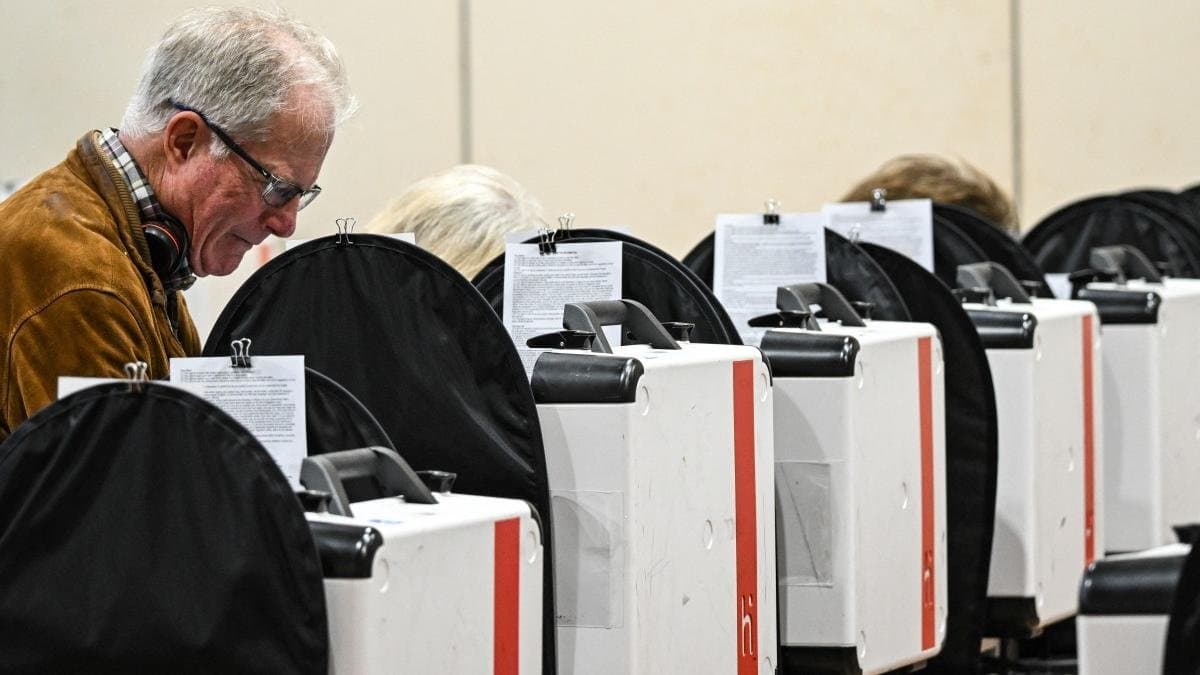
The debate over data centers is already shaping the midterm elections. These midterm elections mark the first time artificial intelligence has become a central campaign issue, especially in Rust Belt states.
In Michigan, the discussion has become central to the Senate race. Republican Mike Rogers, backed by Trump, proposed a one-year moratorium on new data centers. "There is so much concern out there with Michigan citizens. My argument is that we need to walk through those issues before we just throw these things out," Rogers said.
On the Democratic side, candidate Abdul El-Sayed proposes establishing greater controls over these projects, with special attention to their impact on water, energy, and local communities. He has sought to portray Rogers as the "data center candidate."
In Wisconsin, data centers have also become a central issue in the gubernatorial campaign. Republican Tom Tiffany dubbed his Democratic rival David Crowley "Data Center David" and accused him of favoring the expansion of these facilities. Crowley argues that companies should pay for infrastructure costs and meet requirements regarding energy, employment, and water, while Tiffany proposes eliminating tax incentives for these projects.
In Pennsylvania, Democratic Governor Josh Shapiro changed his stance on data centers. His administration had sought to attract these investments and develop a system of requirements to facilitate their installation. However, as voters began to voice stronger criticism of their installation, the governor backtracked. On August 18, he removed the projects from the expedited permitting program and established new conditions, including that companies bear the cost of the energy infrastructure they need.
"I've heard loud and clear from the good people of Pennsylvania as I've traveled our commonwealth, and I'm here to say today that we will not be bullied by these developers. We will not be bulldozed by the lawyers working for these big tech companies. That will not happen in the commonwealth," Shapiro said.
Finally, there is Ohio, where data centers became a direct political weapon in the Senate race. Democrat Sherrod Brown made the expansion of these facilities one of the main pillars of his campaign against Republican Jon Husted, whom he links to the industry's growth during his time as lieutenant governor. The concern even reached the Republican Party itself. A memo from the National Republican Senatorial Committee (NRSC) warned that opposition to data centers could hurt Husted in an election that could determine control of the Senate.
🛠 Do you think there is an error in this article?
Recommendations




LATEST