Pentagon subjects 50 Joint Chiefs of Staff members to polygraph tests in unprecedented leak hunt
According to the New York Times, citing officials familiar with the matter, the tests—conducted in August—sought to determine whether military officers and civilian employees at the Pentagon had shared classified information with the press, particularly regarding the status of long-range missile reserves and Patriot interceptors.
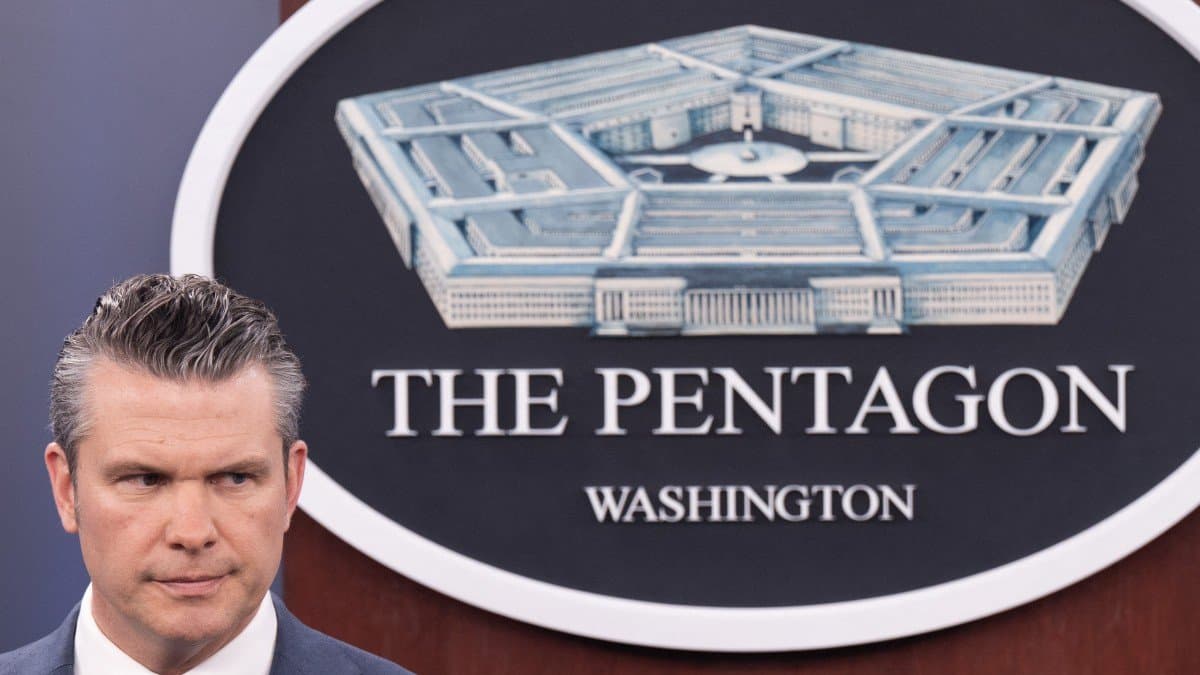

Federal investigators subjected about 50 members of the Joint Chiefs of Staff to polygraph tests as part of an investigation into leaks to journalists regarding the war with Iran and the depletion of critical ammunition reserves.
According to The New York Times, which cited officials familiar with the matter, the tests—conducted in August—sought to determine whether military officers and civilian employees at the Pentagon had shared classified information with the press, particularly regarding the status of long-range missile reserves and Patriot interceptors. According to the New York newspaper, the operation aimed not only to identify those responsible but also to deter others from doing the same in the future. The Joint Chiefs of Staff, which coordinates operations and war plans with military commanders worldwide, employs between 1,500 and 2,000 people.
According to sources cited by the NYT, this is an unprecedented measure in the recent history of the U.S. armed forces. Retired Rear Admiral Donald J. Guter, who served as the Navy's chief legal advisor from 2000 to 2002, stated that "I've never seen polygraphs employed this broadly or at this seniority level."
"In my experience, it's unprecedented," he said.
Politics
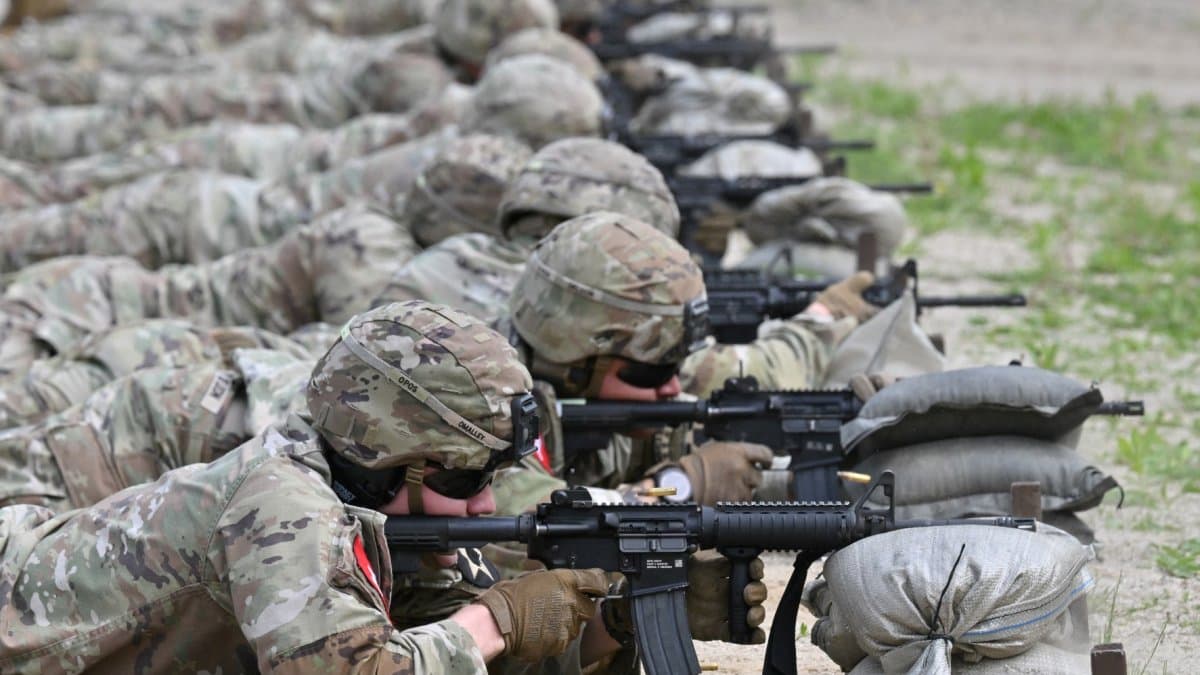
Trump makes moves at the Pentagon: Adam Telle to serve as acting Army secretary following Driscoll’s departure
Luis Francisco Orozco
Politics
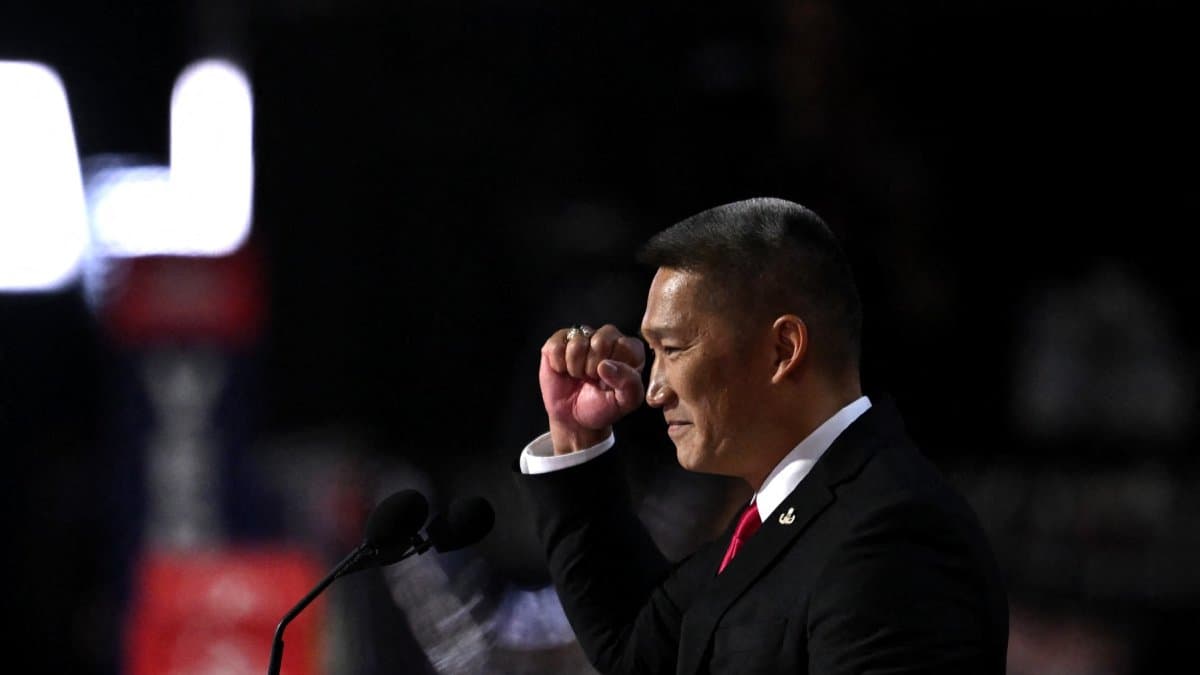
Turmoil at the Pentagon: Trump moves to promote Hung Cao to Navy secretary after another senior official departs
Emmanuel Alejandro Rondón
Pentagon spokesperson Sean Parnell issued a brief official statement: "We do not comment on internal personnel or investigative matters but takes all leaks of classified national security information extremely seriously and investigates accordingly." He added that "Securing classified information is critical to ensuring the security of the United States and of our troops deployed around the world."
President Trump has pressured his administration to identify those who leak information, and has gone so far as to label critical media coverage of the handling of the war in Iran and ammunition shortages.
According to the NYT, this situation has deepened mistrust within the Pentagon, which several current and former officials attribute to the administration of Secretary of War Pete Hegseth, who has sidelined or blocked the promotions of at least 80 generals and admirals during his tenure.
Hegseth has not held a press conference on the war in Iran since May 5 and has restricted journalists' access to the Pentagon, a policy that the New York newspaper itself challenged in court. Last month, the Department of War fired the editor and editorial director of Stars and Stripes, a federally funded news outlet, in what its own journalists described as retaliation for coverage of deteriorating conditions aboard the USS Abraham Lincoln.
🛠 Do you think there is an error in this article?
Recommendations

LATEST