Trump signs two executive orders to shield American ranchers while standing by beef imports from Argentina, Brazil and Paraguay
The president announced the creation of a program that will allow ranchers to sell their products directly to consumers, thereby reducing the sector's dependence on the "big four" companies, Tyson Foods, JBS, Cargill, and National Beef Packing Co., which collectively control nearly 85% of the country's meat processing.
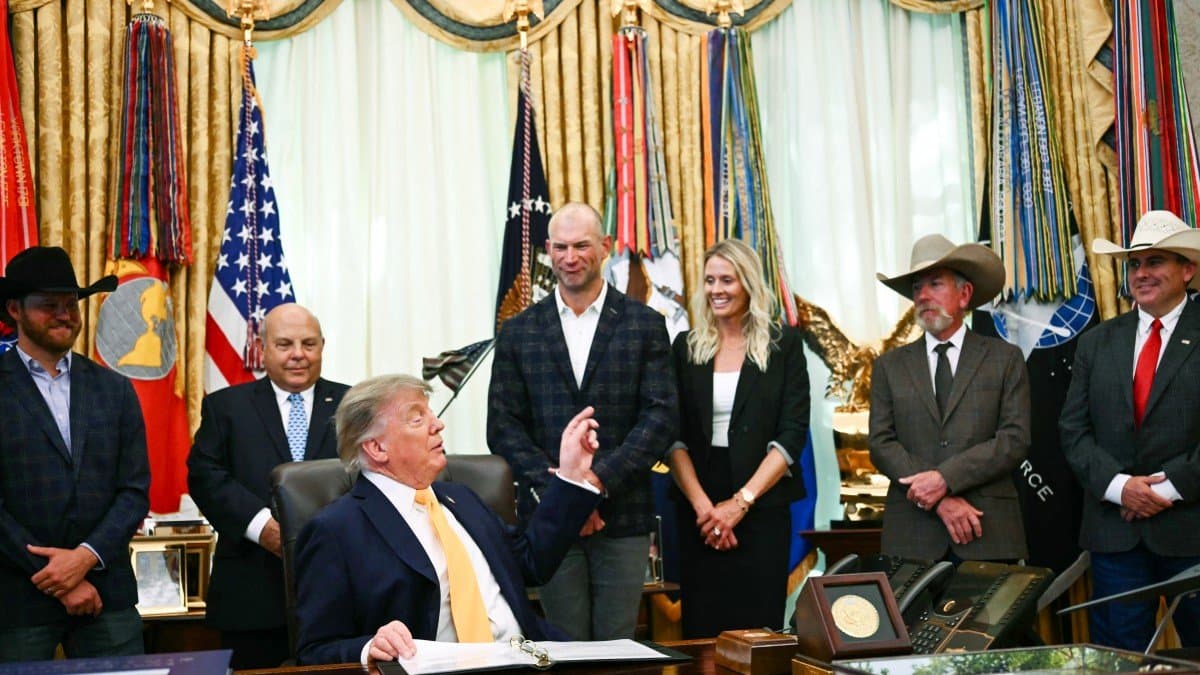

President Donald Trump signed two executive orders on Friday to strengthen beef producers in the country, directly challenging the dominance large meatpackers exert over the industry.
Both orders came amid a delicate political situation, as the president seeks to calm cattle ranchers' anger over the White House opening the door to imports. However, despite pressure from cattle ranchers' groups and some Republican members of Congress, Trump did not back down from his stance on importing meat, on a limited basis, from Argentina, Brazil, and Paraguay.
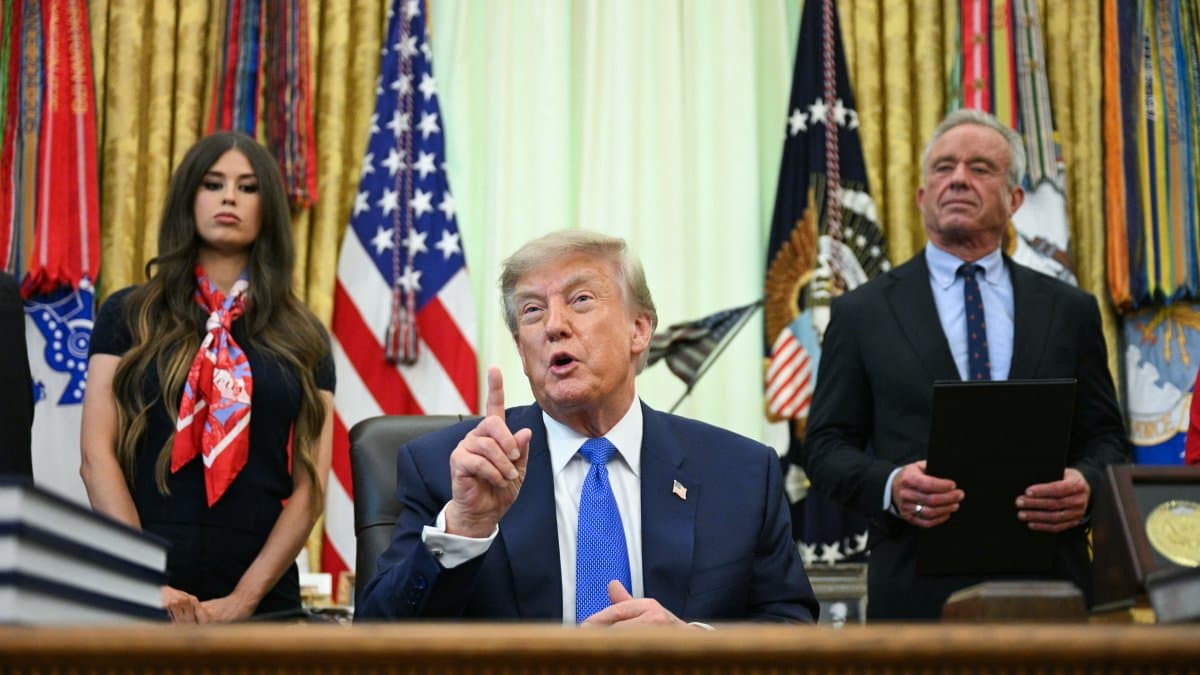
During the signing ceremony at the White House, Trump announced the creation of a program that will allow ranchers to sell their products directly to consumers, thereby reducing the sector's dependence on the "big four" companies, Tyson Foods, JBS, Cargill, and National Beef Packing Co., which collectively control about 85% of the country's meat processing.
"People have been asking for this change for decades, and we're getting it done," the president said. "This is the largest-ever government effort to change all federal rules and regulations necessary to support our ranchers and our farmers."
Trump harshly criticized the four processing companies, directly accusing them of operating a "monopoly."
"I've heard all about it. I've been listening to it … and they say they're a very nasty group, very difficult to deal with," he said. "And they cost our farmers a lot of money, and they cost our ranchers a lot of money, and they cost the public a lot of money in grief, and we're not going to let it happen any longer."
Just the News
Cheaper drugs, cheaper beef, cheaper gas. Trump lines up fall affordability before Labor Day
Just The News
A balance between defending the industry and imports
However, at the same event, the president pointed out a market reality: meat prices must come down, especially with an eye toward the midterms, and to do so, imports must be allowed.
During his speech, the president strongly defended importing foreign meat into the country. "It's coming from Argentina. It's coming from Brazil. It's coming from a couple of other places," he said. "We have our inspectors down. It's very clean. It's very good." However, to reassure critics, Trump insisted that the volume of these imports is manageable: "We're doing it in a very limited fashion because our ranchers can handle it, but our ranchers really needed a little bit of help, and our ranchers want the prices to be down too."
And these aren't just empty words. Days earlier, on August 26, Trump had signed a proclamation temporarily exempting imports of up to 300,000 metric tons of lean beef trimmings from tariffs, with the stated goal of lowering consumer prices ahead of the November election. Due to a technicality in the wording of that regulation, the main beneficiaries ended up being Brazil and Paraguay, countries with strong, high-quality livestock sectors, while Argentina, which already has its own export quota (expanded this year to 100,000 metric tons annually), was excluded from that specific exemption, although it continues to export under its usual framework.
That August decision sparked strong opposition among cattle ranchers and Republican lawmakers, who argue that imports harm producers already operating on tight margins. Secretary of Agriculture Brooke Rollins acknowledged this week in Iowa that the plan was a "blow to the gut" for the industry, though she also backed Trump as a defender of ranchers. Ethan Lane, vice president of the National Cattlemen's Beef Association, noted that producers lost tens of millions of dollars in recent weeks, and that import announcements created market instability.
The executive orders signed on Friday also direct the Department of Agriculture to strengthen enforcement of the Meat Packers and Cattle Corral Act and to review existing regulations, including country-of-origin labeling rules. On this last point, Trump acknowledged that final implementation depends on Congress: "I understand Congress has something to do with that one. So we're putting it in front of Congress right away. It should be no problem." In addition, the White House will direct the Department of the Interior to evaluate the possibility of removing the gray wolf from the list of protected species, a measure demanded by ranchers who consider the animal a direct threat to their livestock.
Both of the White House's positions rest on a structural crisis in the livestock sector. According to various reports, the U.S. cattle herd is at its lowest level in 75 years, and the Department of Agriculture projects a nearly 4% production decline by 2025, driven in part by health restrictions on Mexican cattle and drought in various regions of the country.
🛠 Do you think there is an error in this article?
Recommendations

LATEST