






Supreme Court rules in favor of the GOP in the battle over campaign advertising rates
The emergency ruling was in response to a request from Republican campaign committees, which turned to the Supreme Court after an appeals court barred them from accessing those reduced rates ahead of the November midterm elections.
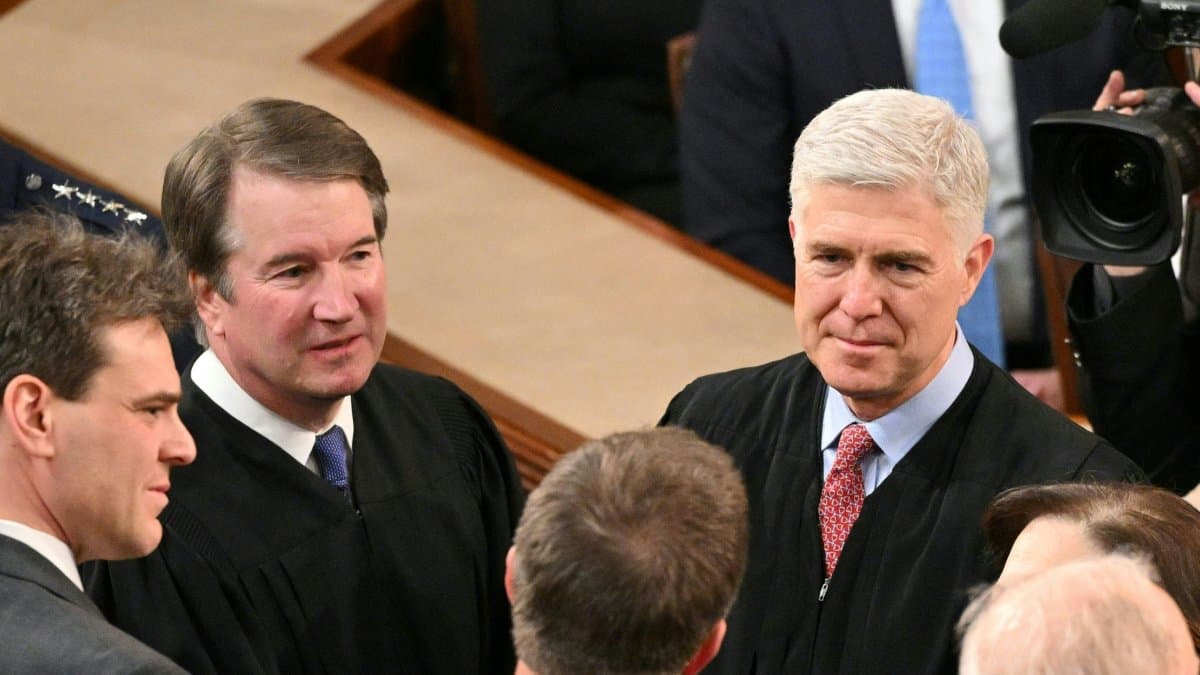

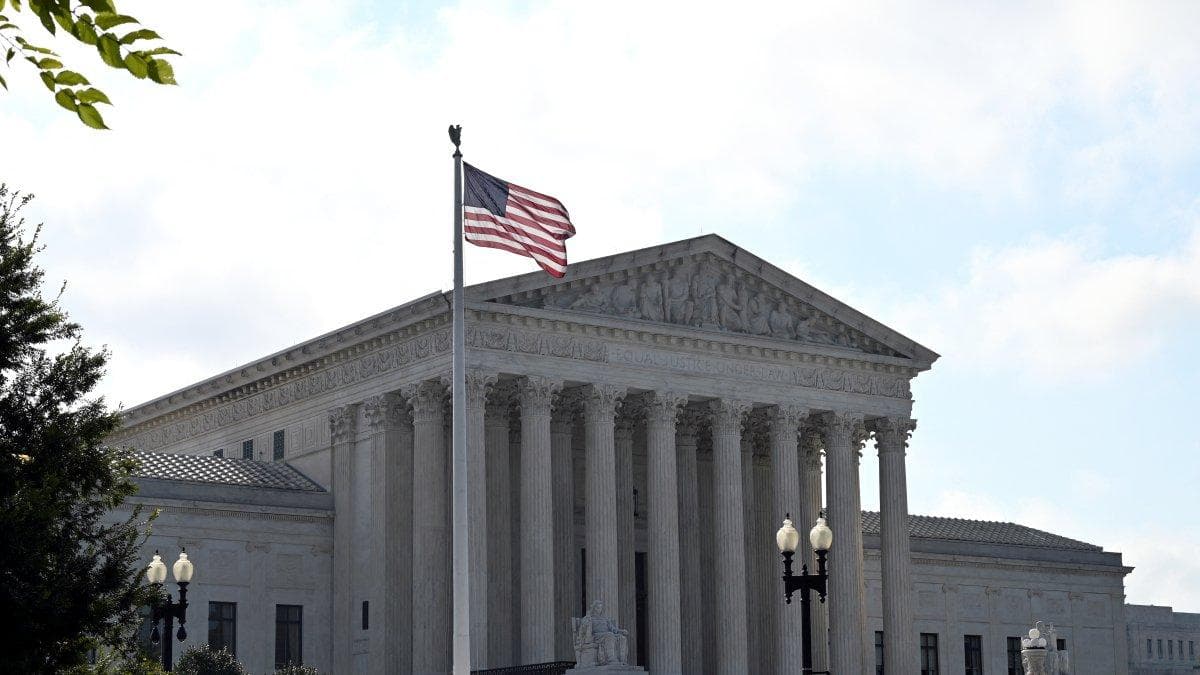
The Supreme Court ruled that national party committees can access lower rates for campaign advertising on television and radio. The emergency ruling was decided 8-1, with Justice Ketanji Brown Jackson dissenting. The emergency ruling responded to a request from Republican campaign committees, which appealed to the court after an appeals court barred them from accessing those reduced rates ahead of the November midterm elections.
The case centered on who is eligible for the lower rates when purchasing campaign advertising on television and radio. Federal regulations require broadcasters to offer these rates to candidates during the 60 days leading up to a general election. However, the Federal Communications Commission (FCC) published guidance in March that extended this benefit to certain ads purchased by party committees in coordination with their candidates.
Shortly thereafter, four candidates challenged the rule's expansion in court. They argued that the law reserves the reduced rates for candidates and their authorized committees, and that the FCC overstepped its authority by extending them to political party committees.
Politics
DOJ asks Supreme Court to allow Trump to impose restrictions on mail-in voting ahead of election
Williams Perdomo
Just the News
Appeals court reinstates Idaho abortion law pending appeal, overruling lower court
Just The News
On August 25, the Fourth Circuit Court of Appeals ruled in favor of the Democrats and struck down the FCC's guidance. The Republican Senate and House campaign committees (NRSC and NRCC) then filed an emergency appeal with the Supreme Court. They argued that they had already budgeted tens of millions of dollars for advertising at the reduced rates and that broadcasters were withdrawing those prices following the appeals court's ruling.
In this context, the Supreme Court temporarily stayed the lower court's ruling, just as the 60-day period leading up to the November elections began. This allows party committees to continue accessing the reduced rates for now while the litigation continues.
Although the ruling was unsigned, Justice Jackson issued a dissenting opinion. The Supreme Court's decision is, for now, temporary, as the case will continue in the lower courts.
Joanna Rodríguez, communications director for the National Republican Senatorial Committee (NRSC), welcomed the decision in a statement: "The NRSC structured itself and our campaigns to maximize the fall of coordinated spending limits and achieve unprecedented cost-sharing on polling, research, critical infrastructure, advertising, and direct mail."
"Today’s decision ensures those efforts will be even further strengthened as the candidate rate on our coordinated television spending stretches our hard dollars further than ever before," she added.
🛠 Do you think there is an error in this article?
Recommendations
LATEST