Key primaries: Trump consolidates his candidates in Montana while the Democratic left radicalizes in New Jersey and New Mexico
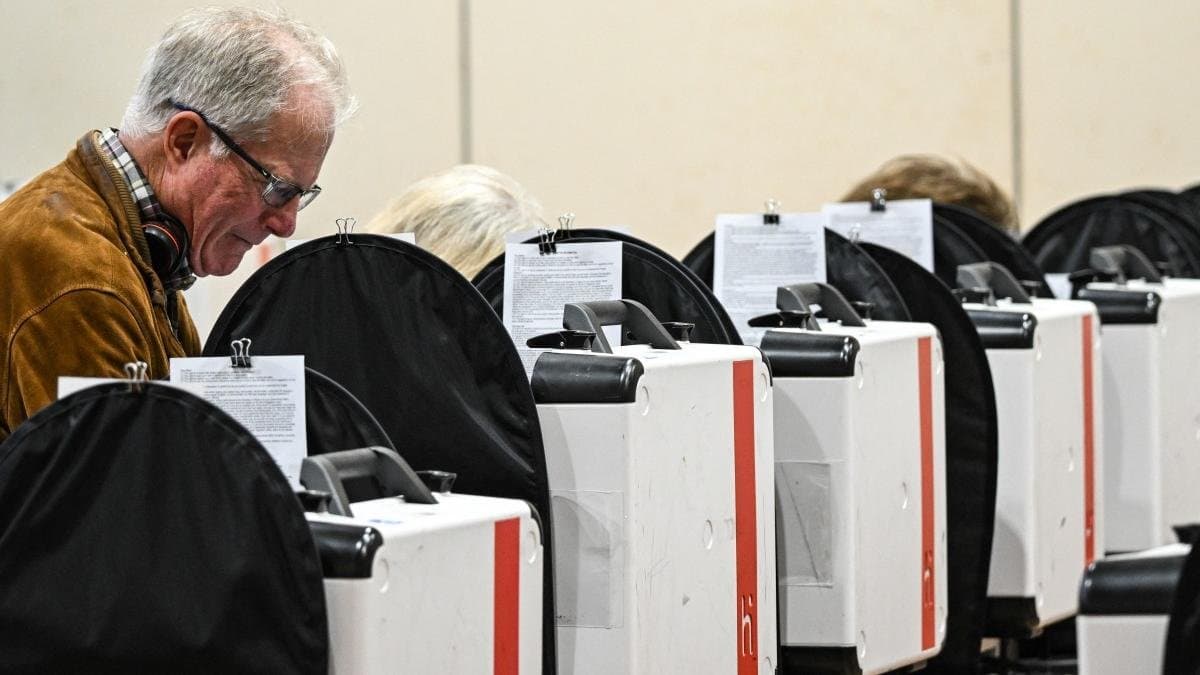
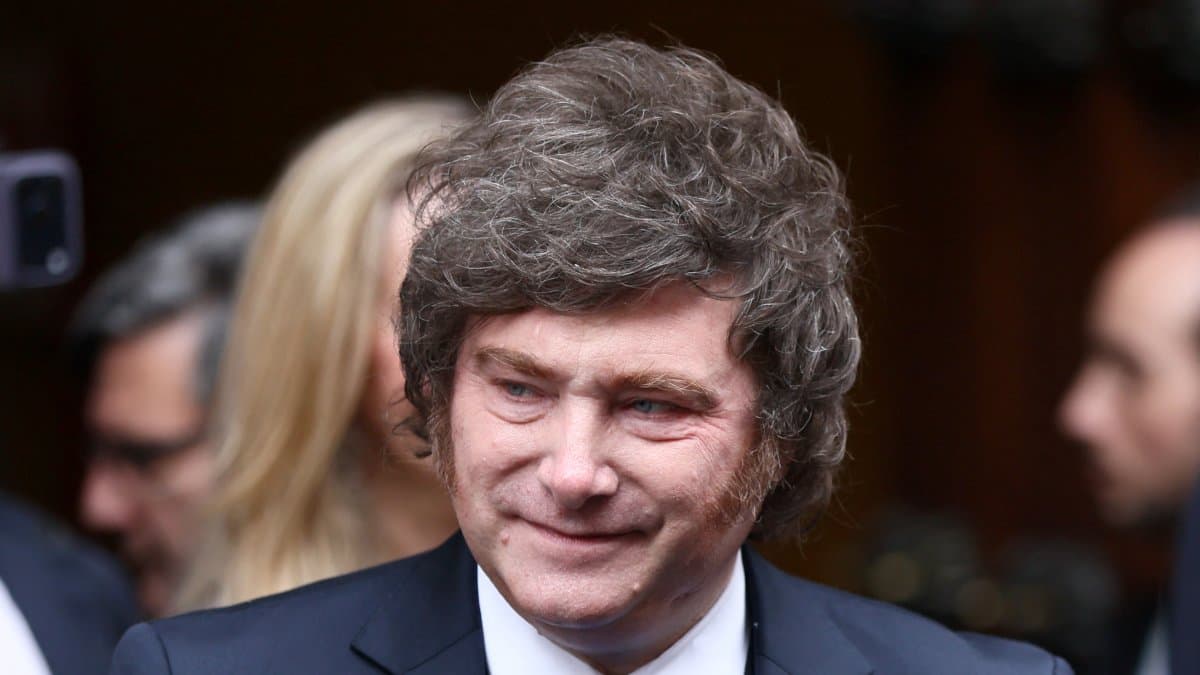
President Donald Trump backed his chosen candidates Tuesday in Montana, where the Republican Party is defending two key open seats to maintain its majorities in Congress, while Democrats in New Jersey and New Mexico selected candidates from their most left-leaning wings ahead of the midterms.
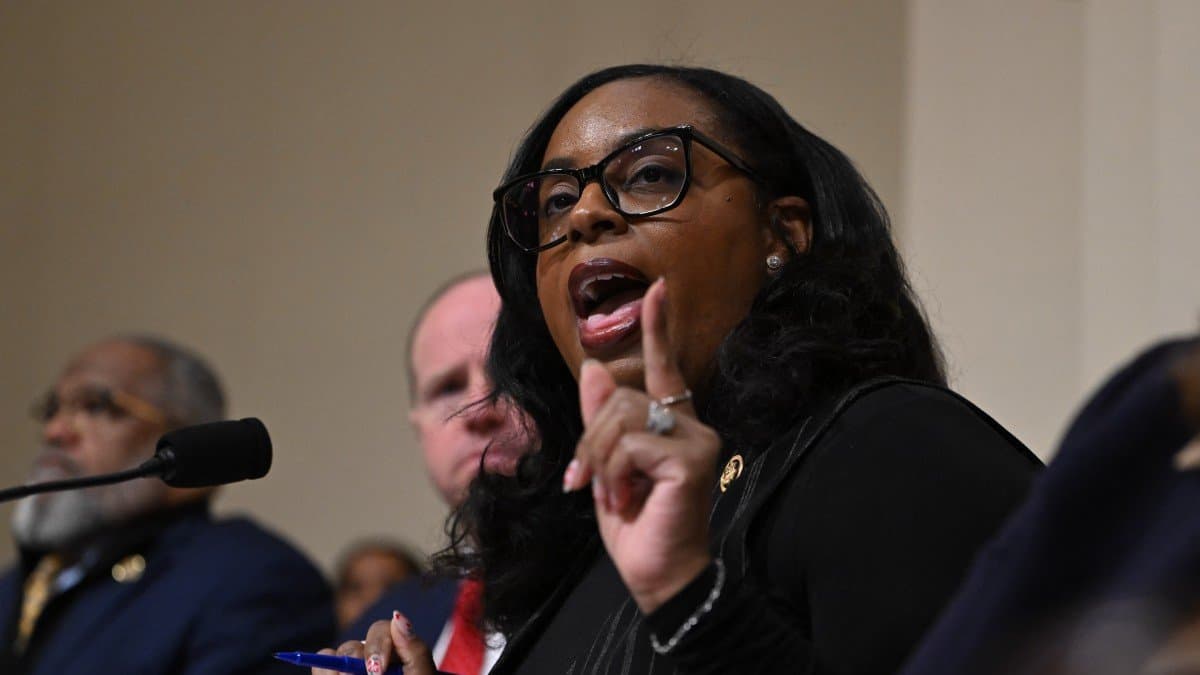

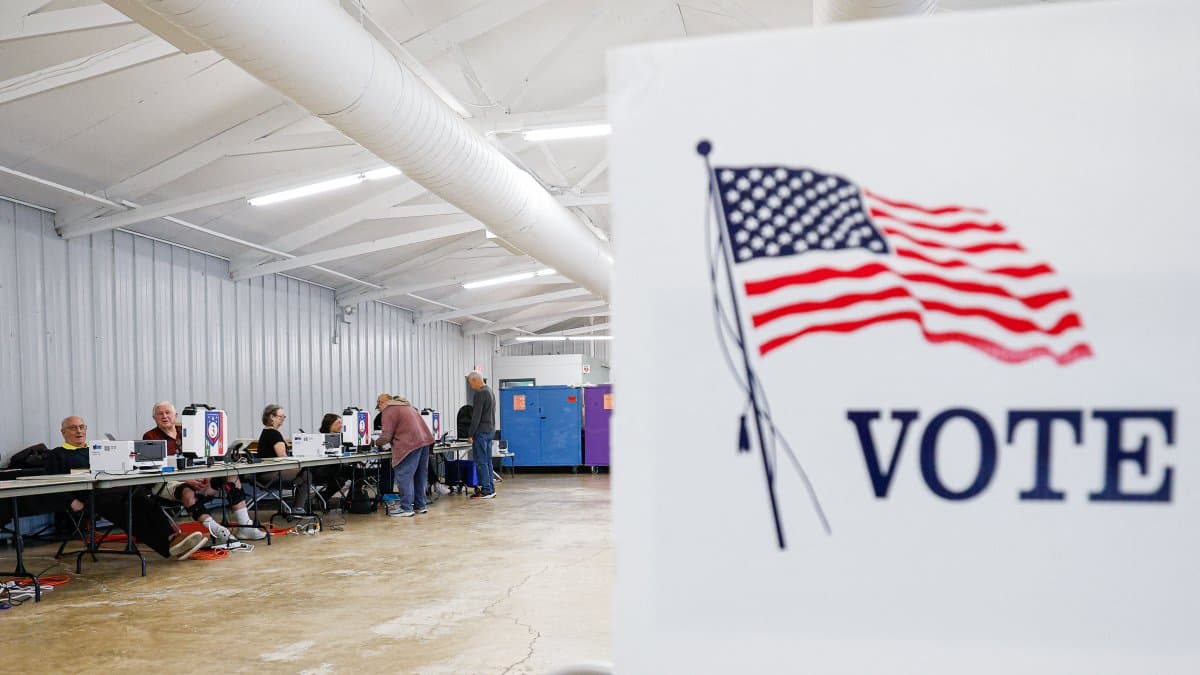
Six states, California, Iowa, Montana, New Jersey, New Mexico and South Dakota, held their primaries on June 2 for the Nov. 3 midterms, in which control of the two chambers of an increasingly polarized Congress will be at stake. Beyond the focus on Iowa and California, three other states starred in high-stakes and sensitive contests for both parties and the Trump administration.
Montana: Trump's double bet
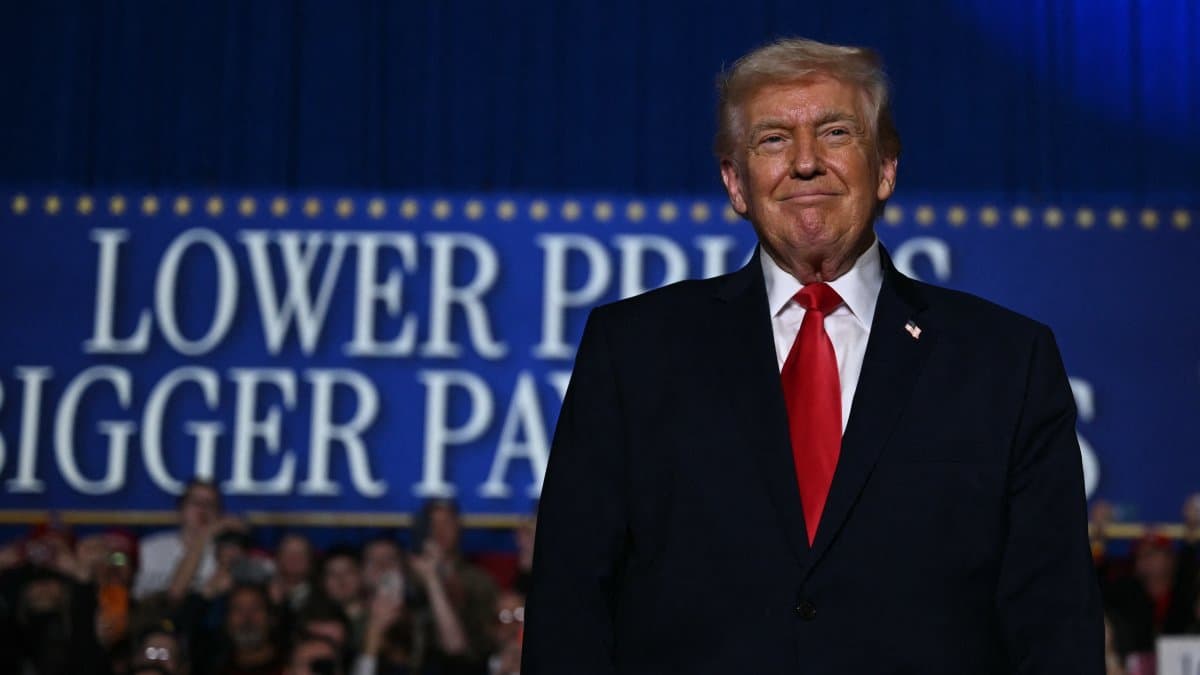
In Montana, the Republican president imposed, as usual in this primary process, his two candidates in the two seats that the Republican Party must defend this year. Former federal prosecutor Kurt Alme, backed by Trump, swept to take the Senate nomination to replace Senator Steve Daines, who surprisingly announced in March that he would not seek re-election. Alme will face former University of Montana Chancellor Seth Bodnar (independent) and former state legislator Reilly Neill (Democrat) in November.
For the House of Representatives, veteran and conservative radio host Aaron Flint, also backed by Trump, won the Republican nomination to succeed Rep. Ryan Zinke, who retired in March for health reasons. His November opponent will be either Democrat Ryan Busse, a former gun industry executive who lost the governorship to Republican Greg Gianforte; or Sam Forstag, a unionized paratrooper firefighter who has the backing of leftist lawmakers Bernie Sanders and Alexandria Ocasio-Cortez. Both are leading the race with 36% and 32% respectively, at the time of publication.
Montana has established itself as one of Trump's strongholds. In 2024, Trump pushed incumbent Sen. Tim Sheehy to victory against Democrat Jon Tester, leaving the Democratic Party without a single statewide elected office.
New Jersey: the toughest wing of the Democratic Party prevails
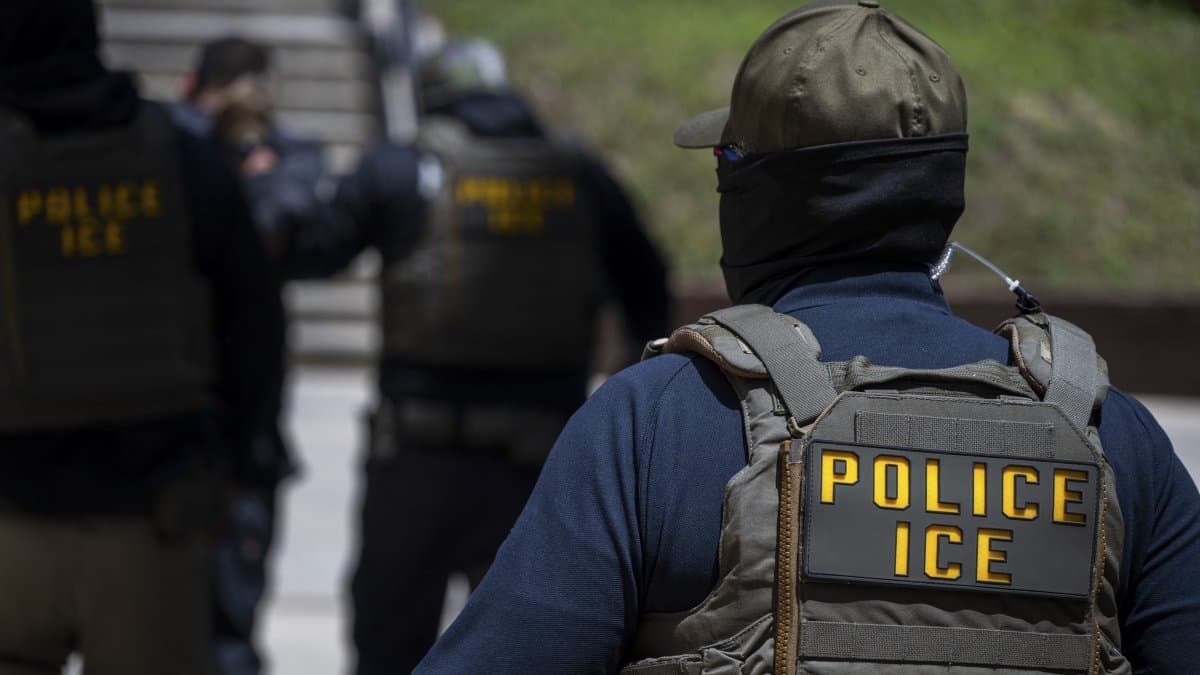
In New Jersey, Democrats confirmed profiles of their most radical and combative wing with the Trump administration. In the 10th District, Rep. LaMonica McIver won the nomination despite being indicted by federal authorities for allegedly assaulting, obstructing and interfering with federal officials during a May 2025 incident at the Delaney Hall immigration detention center in Newark. McIver, who rejected a plea deal with the Justice Department and pleaded not guilty, will go on trial Nov. 10. In February, she publicly advocated for the abolition of Immigration and Customs Enforcement (ICE) in an interview with CNN. Her anti-ICE stance has raised her profile nationally and marked the growing contrast between moderate and more progressive Democratic candidates.
In the 11th District, fellow progressive Analilia Mejia, national political director for Bernie Sanders' 2020 presidential campaign, won her primary with a platform that includes abolishing ICE. Mejia caused controversy after comparing the Trump administration's immigration enforcement operations to the segregationist violence of the U.S. South in the 1960s.
And in the 12th District, trauma surgeon Adam Hamawy won a primary with 12 challengers to succeed Rep. Bonnie Watson Coleman. Hamawy carries the controversy of having testified as a defense witness for Omar Abdel-Rahman, the so-called "Blind Sheikh" mastermind of the 1993 World Trade Center bombing, and of having denounced alleged Israeli atrocities following a recent medical mission to Gaza. His campaign called the questioning against the controversial candidate "guilt by association." Plainfield Mayor Adrian Mapp, another of his rivals, had labeled him a "radical extremist." All three of these districts are virtually safe Democratic districts, so their winners are virtually assured of taking place in November, with the real electoral contest taking place in the primaries between moderates and hardliners. However, it remains to be seen whether highly polarizing candidates could open a small window of opportunity for the GOP.
Politics
After endorsing his candidate in South Carolina, Trump jumps right into Iowa and Oklahoma Republican primaries
Emmanuel Alejandro Rondón
New Mexico: Haaland, the identity choice of the Democrats
In New Mexico, former Interior Secretary under President Joe Biden, Deb Haaland, swept the Democratic gubernatorial primary with about 73% of the vote against Albuquerque District Attorney Sam Bregman, who focused his campaign on fighting violent crime. Haaland, a member of the Laguna Pueblo, could become the first Native American woman elected governor in U.S. history in November. During her time in Biden's Cabinet, she led public lands conservation efforts and launched the first federal investigation into the treatment of Native American children in government boarding schools. She would succeed Democrat Michelle Lujan Grisham, who is ineligible for reelection due to term limits.
On the Republican side, Greggory Hull is emerging as the winner leading the primary with 46% to Doug Turner's 38%, with 60% of the votes counted. Democrats have held every statewide office in New Mexico since 2017.
South Dakota, no surprises
In South Dakota, Sen. Mike Rounds won the Republican nomination to seek a third term, and state Attorney General Marty Jackley, endorsed by Trump in the hours leading up to the election, won the House nomination for the state's single district. Both seats are considered safe for Republicans.
🛠 Do you think there is an error in this article?
Recommendations

LATEST