High blood pressure among Latinos: The 'silent killer' affecting millions in the United States
High blood pressure often progresses without symptoms, but it significantly increases the risk of heart attack, stroke, heart failure, and kidney disease. Among the country's Hispanic population, health authorities stress the importance of early diagnosis and blood pressure management.
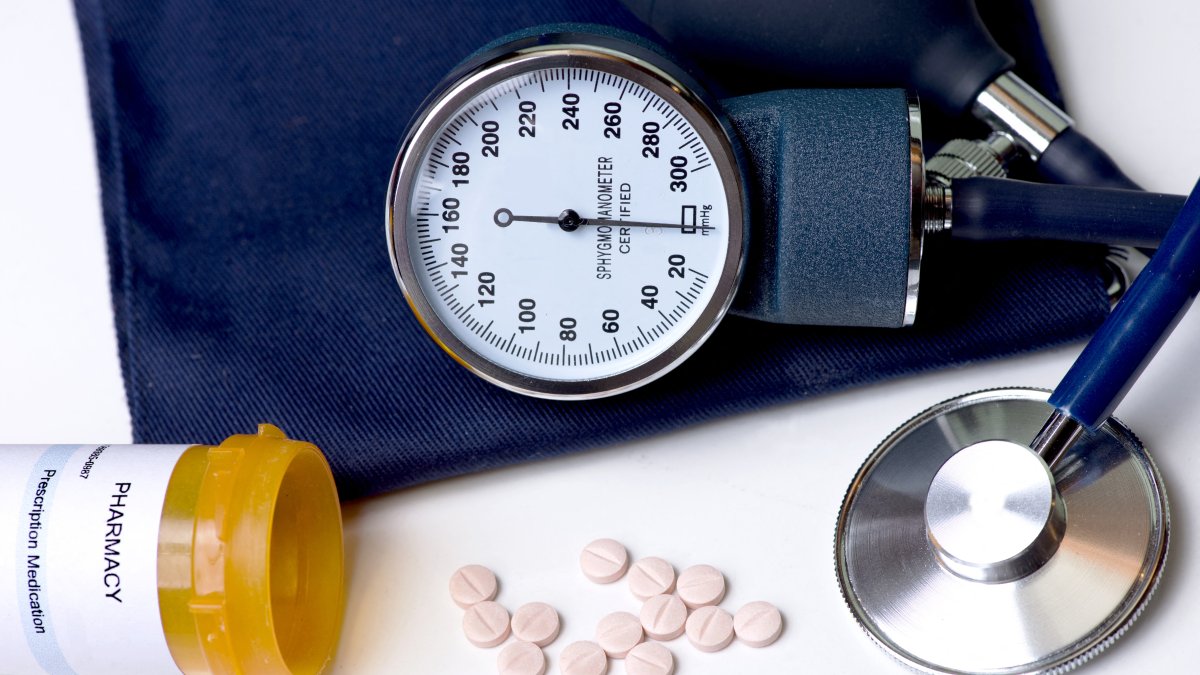
Blood pressure medications, a blood pressure cuff, and a stethoscope.

High blood pressure, known as the silent killer, remains one of the biggest public health problems in the United States. Because it often has no obvious symptoms, millions of people live with high blood pressure without knowing it, increasing their risk of life-threatening cardiovascular diseases.
According to the Centers for Disease Control and Prevention (CDC), nearly half of U.S. adults—119.9 million people, or 48.1% of the adult population—have hypertension. However, only about one in four adults manages to keep it under control, despite the availability of treatments and lifestyle changes.

Health
The world is ‘failing’ to curb childhood obesity: An urgent public health challenge
Diane Hernández
What is high blood pressure?
Blood pressure measures the force with which blood pushes against the walls of the arteries. In the United States, the clinical guidelines of the American College of Cardiology and the American Heart Association define hypertension as blood pressure equal to or greater than 130/80 mmHg, or when a person needs medication to keep it under control.
When blood pressure remains elevated for years, the heart and blood vessels suffer progressive wear and tear that increases the risk of serious complications.
Why is it called the "silent killer"?
Many people only discover they have hypertension after suffering a heart attack, a stroke, heart failure, or kidney disease.
For this reason, specialists recommend regular checkups even for people who feel completely healthy.

Hypertension in the Latino community
Although high blood pressure affects all population groups, experts warn that Hispanic communities face unique challenges related to access to medical care, prevention, and disease management.
According to CDC data:
44.9% of Hispanic adults in the country have hypertension.
Among those who require medication, only 41.3% are able to keep their blood pressure under control, a figure that reflects significant gaps in disease management.
The American Heart Association also notes that more than half of Hispanic men and more than one-third of Hispanic women live with high blood pressure, which is why it emphasizes the need to strengthen prevention campaigns within this community.
What are the main risk factors?
Various factors increase the likelihood of developing hypertension, including:
- Advanced age.
- Family history.
- Being overweight or obese.
- Diabetes.
- High cholesterol.
- Excessive salt intake.
- A sedentary lifestyle.
- Smoking.
- Excessive alcohol consumption.
- Chronic stress.
Many of these factors can be modified through lifestyle changes and medical follow-up.

Health
Aortic dissection: What is the cardiovascular emergency linked to Lindsey Graham's death
Diane Hernández
Complications of high blood pressure
- Heart disease.
- Heart attack.
- Stroke.
- Heart failure.
- Chronic kidney disease.
- Vision loss.
- Vascular dementia.
How can hypertension be prevented or managed?
U.S. health authorities recommend a combination of healthy habits and medical treatment when necessary:
- Check your blood pressure regularly.
- Maintain a healthy weight.
- Get at least 150 minutes of moderate physical activity per week.
- Reduce sodium intake.
- Eat fruits, vegetables, and whole grains.
- Avoid smoking.
- Limit alcohol consumption.
- Get adequate sleep.
- Take medications exactly as prescribed.
- A preventable problem
The good news is that high blood pressure can be prevented and managed in most cases. However, early detection is essential to achieving this.
Experts agree that a simple blood pressure check during a doctor's visit can make the difference between preventing cardiovascular disease and facing a life-threatening complication years later.
LATEST