Bit by a mosquito? When to be concerned about West Nile virus
Since it was first detected in New York in 1999, it has spread across much of the country and currently circulates seasonally in many states.
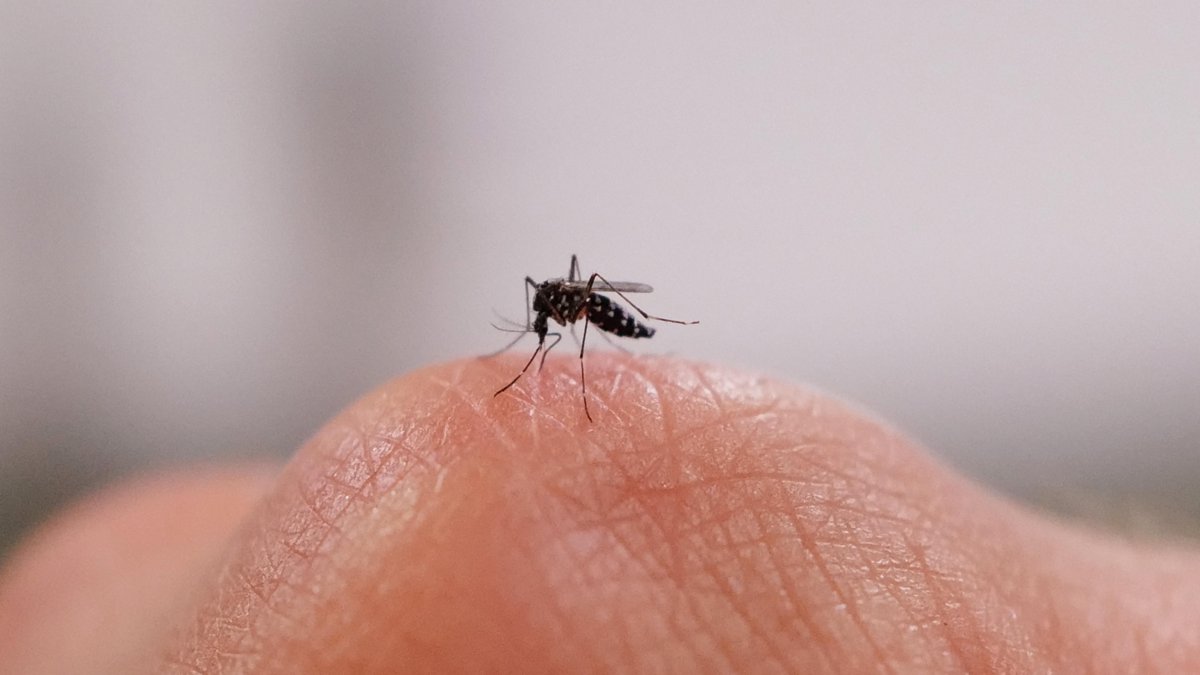
An image of a mosquito on a hand (File photo)

With the arrival of summer and rising temperatures, mosquito activity—and the risk of exposure to diseases such as West Nile virus—is also on the rise.
Although most infected people do not show symptoms and severe cases are rare, health authorities recommend stepping up preventive measures during mosquito season, especially among older adults and people with weakened immune systems.
West Nile virus is the leading cause of mosquito-borne disease in the country. Since its detection in New York in 1999, it has spread across much of the country and currently circulates seasonally in numerous communities.
Understanding its symptoms, warning signs and the most effective ways to prevent bites can help reduce the risk without causing unnecessary concern.
What is West Nile virus?
West Nile virus or WNV, is a flavivirus related to dengue, Zika, yellow fever and Japanese encephalitis.
Its natural cycle occurs primarily between birds and mosquitoes of the genus Culex. Mosquitoes become infected by feeding on infected birds and can subsequently transmit the virus to people, horses and other mammals.
Humans and horses are considered terminal hosts or epidemiological "dead ends": they generally do not accumulate enough of the virus in their blood to infect another mosquito.
What are the symptoms of West Nile virus?
Most infected people are never aware they have the virus.
According to the Centers for Disease Control and Prevention, about 80% of infected people do not experience symptoms.
About 20% develop a febrile illness that can begin between two and 14 days after being bitten by an infected mosquito. In immunocompromised individuals, the incubation period may be longer.
The most common symptoms are:
- Fever
- Headache
- Fatigue
- Muscle or joint pain
- Nausea, vomiting or diarrhea
- Swollen lymph nodes
- Rash on the chest, back or arms
Most people who develop a mild case of the disease make a full recovery. However, fatigue and weakness may persist for weeks or months.
When can it become a serious illness?
Less than 1% of infected people develop a serious condition affecting the central nervous system.
These complications may include:
- Meningitis, or inflammation of the membranes surrounding the brain and spinal cord.
- Encephalitis, inflammation of the brain.
- Acute flaccid myelitis, which can cause sudden weakness or paralysis similar to that caused by polio.
Warning signs include high fever, stiff neck, severe headache, disorientation, tremors, seizures, muscle weakness, loss of sensation, difficulty walking or paralysis.
If these symptoms occur, you should seek immediate medical attention.
The CDC estimates that approximately 10% of patients who develop neuroinvasive symptoms die. Recovery for survivors can take weeks or months, and some neurological effects may be permanent.
Who is at highest risk?
Anyone can develop a severe infection, but the risk increases significantly with age.
The CDC reports that about 2% of infected individuals aged 65 or older develop neuroinvasive symptoms, compared with less than 0.5% among those under 65. People aged 70 and older are more than six times as likely to be hospitalized as young adults.
Those with the following conditions are also at higher risk :
- Weakened immune system
- Cancer or are undergoing chemotherapy
- Organ transplants
- Chronic kidney disease
- High blood pressure
- Diabetes
- Cardiovascular or cerebrovascular diseases
A U.S. study examining cases diagnosed between 2013 and 2024 found associations between neuroinvasive symptoms and factors such as age, male sex, chronic kidney disease, hypertension, certain hematologic cancers and the use of immunosuppressive medications.
Previous research conducted in California also identified advanced age, hypertension and diabetes as factors associated with a higher likelihood of developing neurological complications.

Health
Skin cancer remains the most common type of cancer: What experts recommend for this summer
Diane Hernández
Should I get tested after a bite?
Mosquito bites are very common, and only a small proportion of mosquitoes are infected. Even when a person is bitten by an infected mosquito, most do not develop symptoms.
For this reason, routine testing based solely on having been bitten is not recommended. The decision to test should be based on symptoms, clinical examination, the time of year and known viral activity in the area.
When a physician suspects a neuroinvasive disease, the diagnosis is usually made by detecting IgM antibodies against the virus in a blood or cerebrospinal fluid sample.
Molecular tests, such as PCR, are of limited use in many patients because the virus is usually present in the blood for only a short time and may have already declined by the time symptoms appear. They may be more useful in certain immunocompromised individuals, whose antibody production may be delayed.
Can it be spread from person to person?
West Nile virus is not transmitted through everyday contact, kissing, coughing, sneezing or living with an infected person.
The usual route of transmission is through the bite of an infected mosquito. However, exceptional forms of transmission have been documented through:
- Blood transfusions
- Organ transplants
- Pregnancy or childbirth
- Possibly breastfeeding
- Accidental exposure in laboratories
These cases are rare. Since 2003, donated blood in the United States has been screened for the virus, which has significantly reduced the risk associated with transfusions.
Can dogs, cats and horses become infected?
Yes, but the consequences vary by species.
Horses are particularly susceptible to developing severe neurological symptoms. Unlike humans, veterinary vaccines against the virus are available for them.
Dogs and cats can also become infected, although they rarely develop severe symptoms. Pets are not believed to transmit the virus directly to their owners.
Birds play a central role in the natural circulation of the pathogen because some species can maintain sufficiently high levels of the virus to infect the mosquitoes that feed on them.
Can it cause long-term complications?
Although many people recover completely, neurological complications may persist.
A systematic review and meta-analysis published in 2025 found that, following hospitalization for neuroinvasive disease, problems such as fatigue, memory impairment, difficulty concentrating and depression were common.
Another recent study, conducted among patients hospitalized during a major outbreak in Arizona, assessed participants 17 to 24 months after their hospitalization. Eighty-three percent of patients with West Nile virus continued to report some symptoms, such as fatigue, muscle or joint pain, sleep disturbances, and problems with memory or concentration. These results pertain to hospitalized patients and should not be extrapolated to all infections, most of which are asymptomatic.
Is there a vaccine or treatment?
Currently, there is no authorized vaccine to prevent West Nile virus in humans nor a specific antiviral drug approved to treat it.
Mild cases are generally managed with rest, hydration and medications to control pain or fever, following the recommendations of a healthcare professional.
People with encephalitis, meningitis, paralysis or other complications may require hospitalization, intravenous fluids, respiratory support and intensive neurological care.
Several vaccine candidates have been investigated, but experts have pointed to obstacles such as the unpredictable variation in outbreaks across years and regions, difficulties in conducting clinical trials, and the need to determine which groups would benefit most.

How to prevent West Nile Virus
In the absence of a human vaccine, the main protection is to avoid mosquito bites and reduce mosquito breeding sites.
The CDC recommends:
- Use repellents registered by the Environmental Protection Agency that contain DEET, picaridin, IR3535, lemon eucalyptus oil, PMD or 2-undecanone.
- Wear loose-fitting long-sleeved shirts and long pants.
- Limit exposure at dawn and dusk, when many Culex mosquitoes are most active.
- Install or repair screens on doors and windows.
- Empty containers that collect water, including buckets, flowerpots, birdbaths, toys, tires and gutters.
- Frequently change the water in containers that cannot be discarded.
- Follow the guidelines of local mosquito control programs.
Products containing lemon eucalyptus oil or PMD should not be applied to children under 3 years old. When used as directed on the label, EPA-registered repellents are considered safe even during pregnancy and breastfeeding.
Frequently asked suestions about West Nile virus
No. Only certain infected mosquitoes, primarily of the Culex genus, can transmit it.
Does a positive test result mean there will be an outbreak?
Not necessarily. It means the virus is circulating among mosquitoes and birds, and that surveillance and prevention efforts should be stepped up.
How long does it take for symptoms to appear?
Usually between two and 14 days after being bitten by an infected mosquito.
Can I catch it from a sick family member?
No, not through everyday contact. Transmission between people has been limited to exceptional situations involving blood, organs or mother-to-child transmission.
When should I go to the emergency room?
If you have a high fever accompanied by a stiff neck, confusion, seizures, tremors, muscle weakness, difficulty walking or paralysis.
LATEST