






Diabetes in Latinos: A guide to eating well without spiking your blood sugar
It is possible to maintain healthy glucose levels by enjoying a tortilla, a rice dish or an arepa.
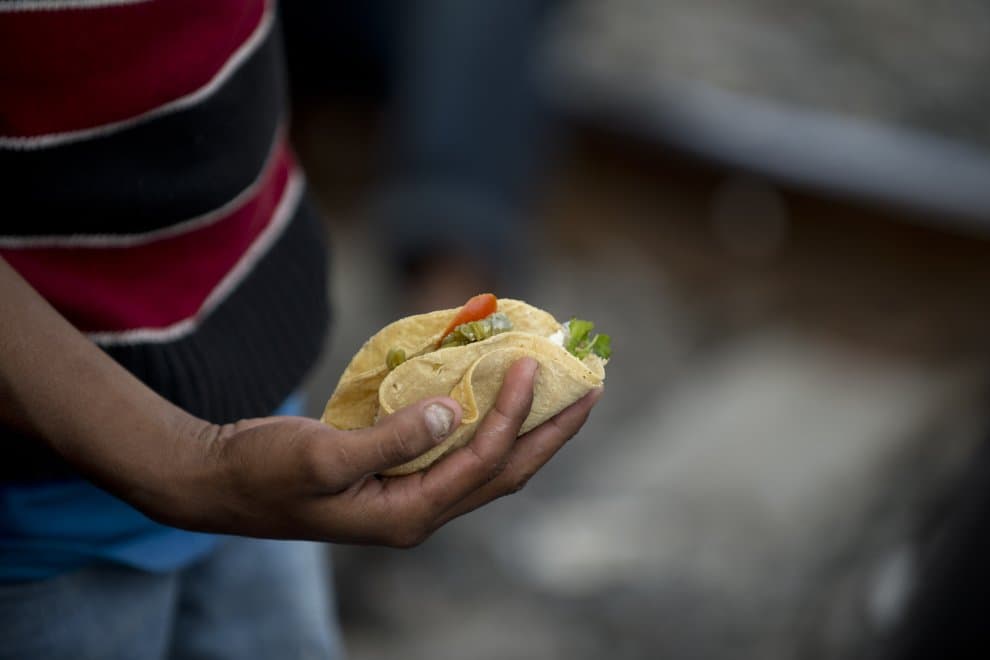
A Latino immigrant holds a taco (File).

Type 2 diabetes and prediabetes disproportionately affect the Latino community. Genetic, socioeconomic and cultural factors influence this prevalence, but receiving a diagnosis does not mean giving up our culinary heritage.
According to the American Diabetes Association (ADA) and the Centers for Disease Control and Prevention (CDC), a diet for Latinos with diabetes does not mean eliminating traditional dishes, but balancing carbs, choosing ingredients carefully and controlling portions. It is possible to maintain healthy glucose levels by enjoying a tortilla, arepa or rice.
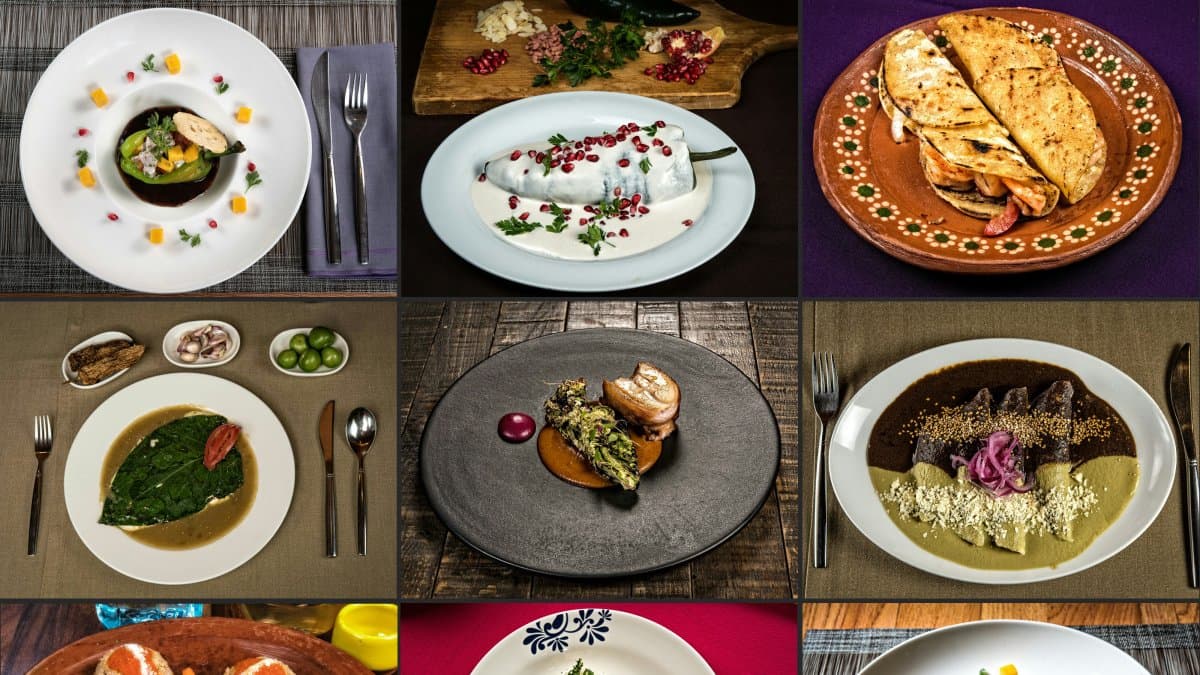
Images of traditional dishes of Latin American cuisine.AFP
Carbs and blood sugar: Friend or foe?
Carbohydrates are the body's main source of energy, but their impact on the glycemic index varies drastically according to their processing. While refined ones cause immediate sugar spikes, complex (whole-grain) carbohydrates are absorbed slowly.
For an effective prediabetes diet, apply these smart substitutions:
- White rice: Swap for brown rice, quinoa or cauliflower rice.
- Refined flour tortillas: Opt for nixtamalized or whole-grain corn tortillas.
- White bread: Substitute 100% whole grain bread.
- Traditional dough: Reduce the size or mix the dough with fiber (oatmeal, flaxseed or chia).
Pro tip: Never eat carbs "alone." Combining them with lean proteins or healthy fats (such as avocado) slows digestion and reduces the impact on blood sugar.
Healthy substitutes in Latino cuisine
Maintaining the flavor of our healthy Mexican and Latin American recipes is vital for meal plan sustainability. Here's a comparison chart to enhance your diabetic meal:
Traditional Food Healthy Choice
Refried beans with lard Pot beans with olive oil
Fried antojitos Baked, broiled or air fried antojitos
Sour cream Plain Greek yogurt (sugar free)
Soft drinks and juices Mineral water with lemon or natural infusions
Example of a balanced dish:
The plate method: Servings without counting calories
The plate method is the simplest tool recommended by nutritionists for managing diabetes without the frustration of weighing food. Visualize your plate as follows:
- 50% Non-stewed vegetables: Nopales, spinach, broccoli, zucchini or green salad. They provide bulk and fiber with minimal calories.
- 25% Lean protein: Skinless chicken, fish, eggs, tofu or lean cuts of meat.
- 25% Carbohydrates with fiber: A small serving of brown rice, a small arepa, a cooked potato or a tortilla.
This method is the mainstay of any diet for Latinos with diabetes because it guarantees to satisfy hunger and make you feel stable energy throughout the day.
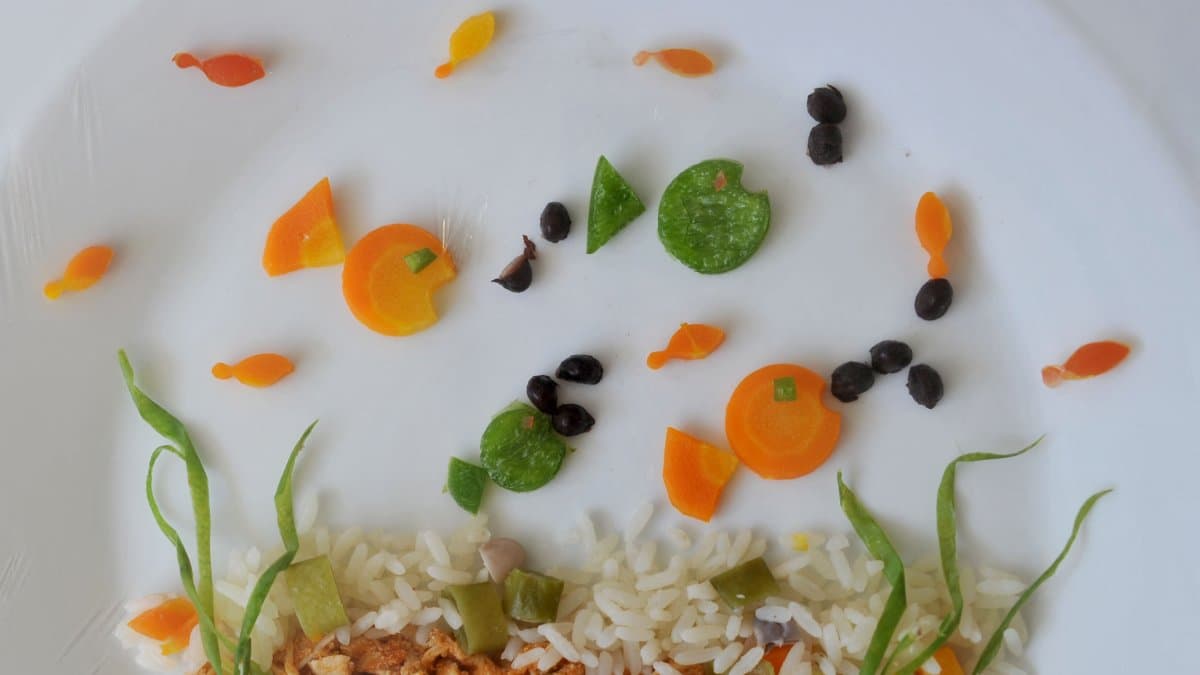
A decorated plate to identify healthy food (File).AFP
Fruit: Which ones to choose and which ones to moderate?
Although fruits contain essential vitamins, their fructose (natural sugar) content varies.
- Low glycemic index fruits (Recommended): Strawberries, apples, pears, blueberries and papaya.
- High glycemic index fruits (Moderate serving): Mango, very ripe banana, grapes and pineapple.
Golden rule: Accompany your fruit with a handful of nuts or almonds. The fat and fiber in nuts keep the sugar in the fruit from spiking quickly.
How to lower blood sugar quickly and safely
Light physical activity: Walk briskly for 15 minutes. Your muscles consume glucose to move.Intensive hydration: Drink natural water to help the kidneys filter out excess sugar.Prioritize fiber: In your next meal, increase the dose of green vegetables to slow down the absorption of whatever you consume next.
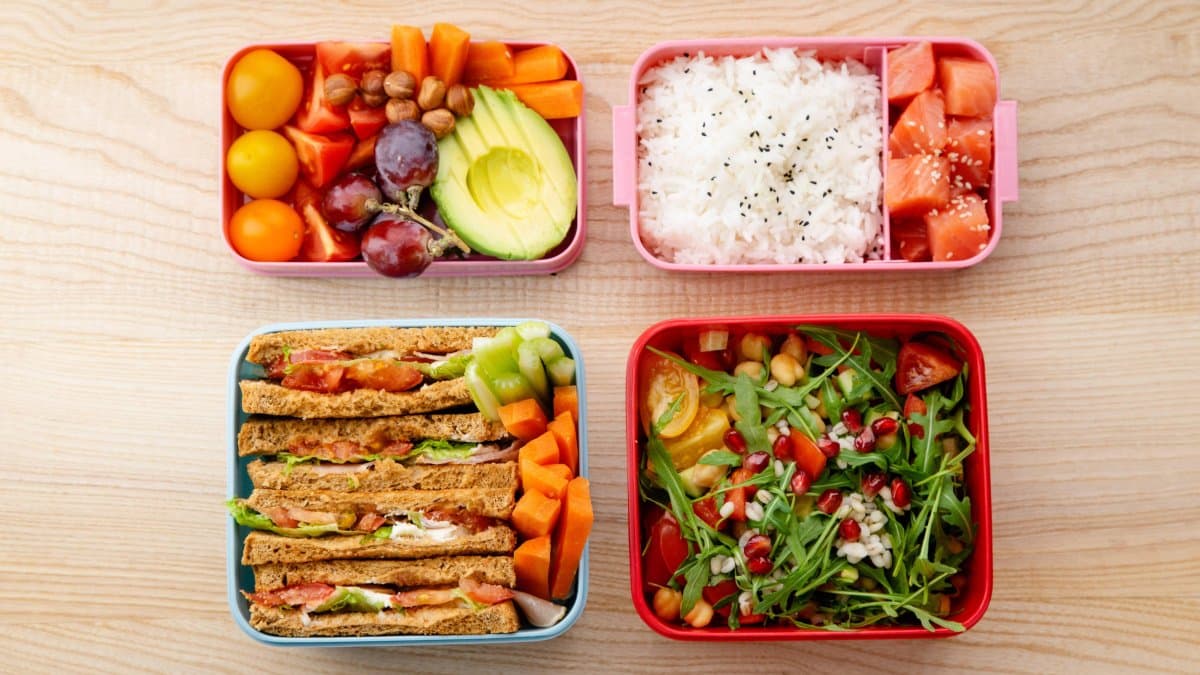
Adapting culture to health
The best strategy is not to abandon our roots, but to evolve our habits.
You can still enjoy tacos, arepas and coffee, as long as you prioritize the quality of ingredients and balance of the dish. A well-executed diabetic meal is, above all, delicious and nutritious, and it protects your future.
🛠 Do you think there is an error in this article?
Recommendations






LATEST