






The labyrinth of forgetfulness: Alzheimer's and dementia in the Hispanic community
Understanding the difference between natural aging and disease is the first step in protecting those we love.
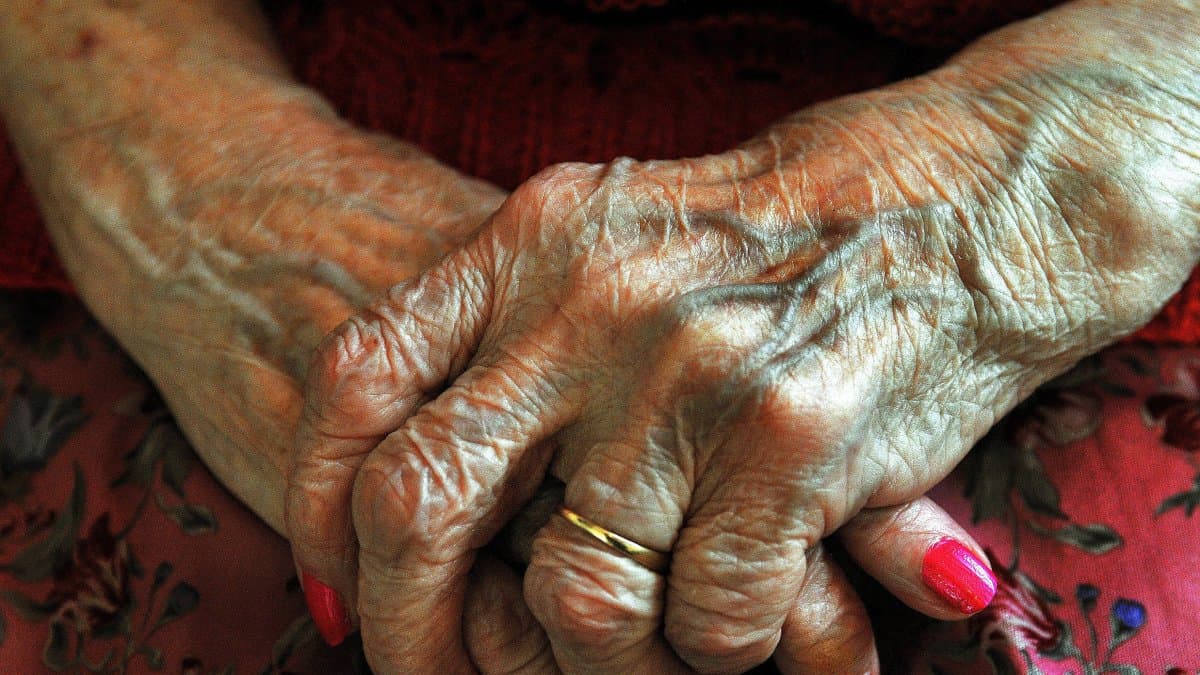

For many Hispanic families, caring for our elders is not only a duty, it is a deeply rooted act of love. However, as our population ages, we face a growing reality: the increase in cases of Alzheimer's. Understanding the difference between natural aging and disease is the first step in protecting those we love.
1. Is it normal forgetfulness or something else?
It's common to hear: "You're old, that's why you forget things." But senile dementia (a general term) and Alzheimer's (a specific disease) are not a normal part of aging.
- Normal forgetfulness: not remembering where one left one's keys but finding them later, or forgetting a name momentarily.
- Warning sign: forgetting what the keys are for, getting lost on familiar routes, or repeating the same question five times in ten minutes.
2. Risk factors: why are we more affected?
Science indicates that Hispanics are 1.5 times more likely to develop Alzheimer's than non-Hispanic whites. This is due to a combination of factors:
- Genetics: the APOE-ε4 gene may increase the risk, although it does not guarantee that the disease will develop.
- Cardiovascular Health: high blood pressure, cholesterol, and diabetes (common conditions in our community) directly affect blood flow to the brain.
- Lifestyle: lack of exercise and a diet low in antioxidants can accelerate cognitive decline.
FDA approves use of first blood test to detect Alzheimer's
"Knowing that 10% of people 65 and older have Alzheimer's, and that by 2050 that number is expected to double, I'm hopeful that new medical products like this will help patients," explained Martin A. Makary, FDA commissioner.
3. The Silent Hero: The Caregiver's Burden
In Hispanic culture, caregiving often falls to a daughter or granddaughter. This role, while noble, carries an immense physical and emotional burden known as "caregiver stress."
Caring for a family member with Alzheimer's is not just about helping him or her eat; it is about managing mood swings, nighttime disorientation and the progressive loss of the loved one's identity. It is vital to understand that caring for oneself is not selfishness, it is a necessity. If the caregiver collapses, there is no one for the patient.
- Note to the caregiver: Isolation is your worst enemy. You don't have to carry the weight of the world on your shoulders.
4. Resources and where to seek support
There are organizations designed specifically to provide guidance in Spanish:
- Alzheimer's Association (Spanish): offers a 24/7 helpline (1-800-272-3900) and support groups where you can talk to others experiencing the same thing.
- National Institute on Aging (NIA/NIH): they provide fact sheets on the latest treatment advances and practical tips for at home.
- Safety Plans: adapting the home (removing slippery rugs, improving lighting) is essential to prevent falls.
How do you know if it is time to seek professional help?
If you notice that your family member has abrupt personality changes or difficulty completing simple tasks (such as cooking a recipe they knew by heart), it is time to consult a specialist.
🛠 Do you think there is an error in this article?
Recommendations


LATEST