






FDA declines to review Moderna's experimental mRNA vaccine
The decision comes at a time when drugmakers are looking to improve flu vaccines, and messenger RNA technology is widely seen as one of the most promising tools according to several health experts.
Biotech company Moderna announced Tuesday that the Food and Drug Administration's (FDA) Center for Biologics Evaluation and Research (CBER) decided not to initiate review of its experimental mRNA vaccine application. According to the company, that notification by the agency did not cite any "specific safety or efficacy concerns" regarding the vaccine candidate.
The decision comes at a time when drugmakers are looking to improve flu vaccines, and messenger RNA technology is widely seen as one of the most promising tools according to several health experts. However, the rejection is also fueling concerns that the FDA, under Health Secretary Robert F. Kennedy Jr., is taking a tougher stance on mRNA vaccines.
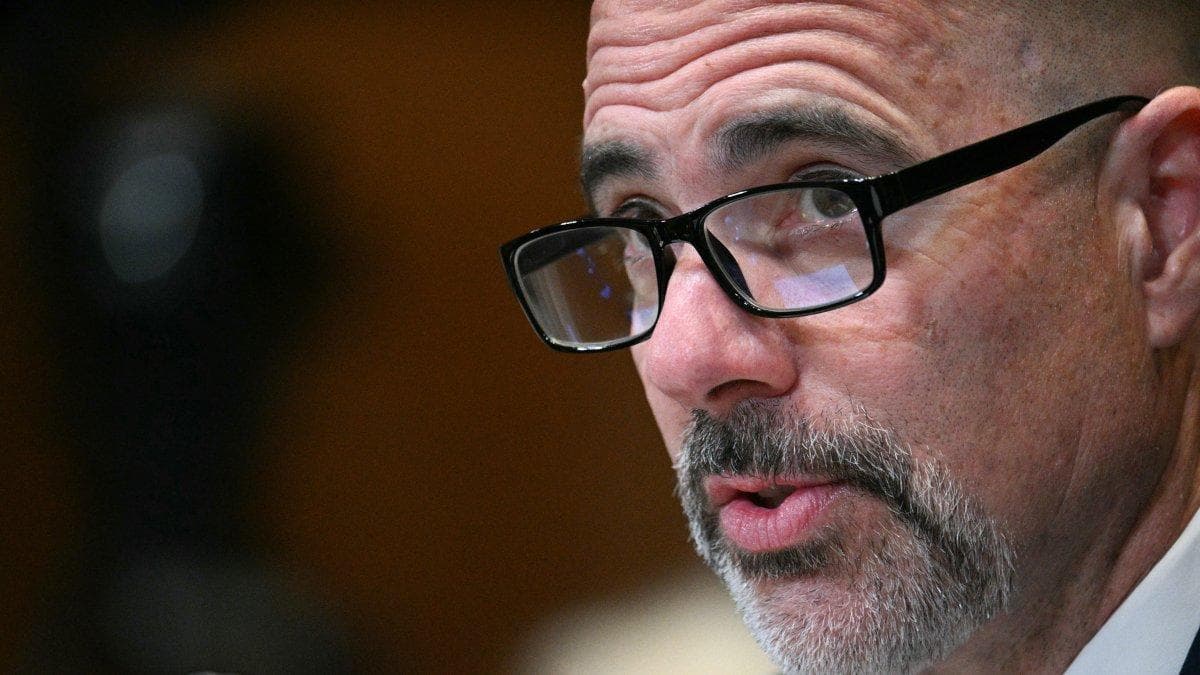
In a statement issued Wednesday, FDA Commissioner Marty Makary said the agency declined to accept the application because Moderna failed to comply with previous regulatory guidelines. "The FDA rejected Moderna’s application for filing because the company refused to follow very clear FDA guidance from 2024 to test its product in a clinical trial against a CDC recommended flu vaccine to compare safety and efficacy," Makary said.
Also, the agency commissioner added that "Moderna exposed participants, aged 65 and older, to an increased risk of serious illness by administering them a lower standard of care contrary to the recommendation of FDA career scientists."
Moderna's Response
A decision to deny the application means that regulators have chosen not to proceed with a formal review of the submission; it does not constitute a final denial of the product or a determination on the merits of the vaccine.
In its statement, Moderna argued that the rationale cited by the FDA is not supported by applicable regulations or guidance. Reports indicate that CBER director Vinayak Prasad overrode internal staff assessments in making the decision to reject the application. The FDA did not offer comment when asked about that assertion on Wednesday.
In a statement sent out, Christopher Ridley, a spokesman for Moderna, said the FDA reviewed and approved the trial design as adequate before the study began 18 months ago. "The industry depends on clear, transparent rules that are applied consistently in order to make the long-term investments that benefit Americans," Ridley said.
🛠 Do you think there is an error in this article?
Recommendations



LATEST