ANALYSIS
Kennedy Jr.'s race against obesity: 'Get yourself in shape, let’s make America Healthy Again'
The health secretary pushes a national exercise and diet agenda to combat what he sees as the top health threat, with programs in schools, changes in the food industry and viral campaigns on social media.

"I found out long ago that if you hang out in a bar you’re probably going to get drunk, if you hang out in a barber shop you’re probably going to end up in a barber shop, and if you hang in a gym you’re probably going to get in shape."
Imaginable to hear from the mouth of any health influencer, the phrase comes from none other than that of the Secretary of Health, Robert F Kennedy Jr. He says it in a gym, where he claims to spend an hour or two on the weekend, "wherever I am in the world." And from where he encourages everyone to, "Get yourself in shape, let’s make America Healthy Again."
The video is the latest example of the secretary-influencer, practice what you preach, style of RFK Jr. He has also been seen pedaling a bike-whisk at the Great American Farmers Market, where he then cooked with produce from neighborhood farms. He recently acknowledged in an interview that "on a good day" he could do 24 push-ups, which went viral during the campaign for his videos doing shirtless reps.
In the same regard, he shared his eating habits: "It is a carnivore diet, so it’s mainly meat, and then anything fermented… a lot of yogurt, and kimchi and all kinds of fermented vegetables. I would say it’s dramatically changed everything."
Both in the networks and in front of the Department of Health (HHS), the elderly politician promotes the same combination of exercise and diet to address the individual and collective problem of being overweight and obesity. Already since his confirmation hearing he pointed out the high rates of obesity as one of his main adversaries: "When my uncle was president 3% of Americans were obese, today 75% of Americans are obese or overweight."
A concern he shares with the public: it was the issue most often chosen by Americans as the top public health threat in the latest Axios/Ipsos American Health Index. That compares with 22% choosing obesity, 15% opting for mental health and another 15% opting for opioids and fentanyl.
Last December, 44% of adults acknowledged being overweight and 55% told Gallup they wanted to lose weight. But only 27% were "seriously trying to do so." Kennedy Jr. promises to change that.
Obesity in numbers
Although obesity rates had been climbing for decades, the national trend appears to have reversed in recent years. A recent study by the Department of Agriculture's (USDA) Economic Research Service (ERS) found that between March 2023 and March 2024, the average adult obesity rate fell 0.2% from the same period in 2023-2022.
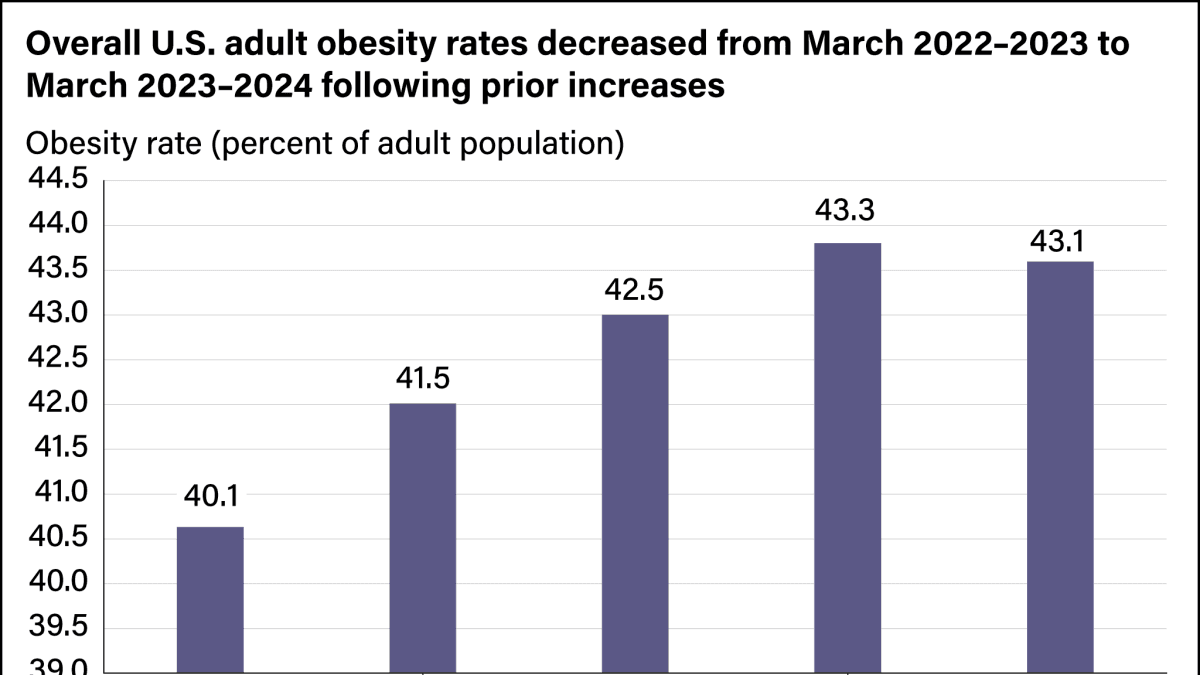
Obesity rate drop in 2023-2024.USDA.
Researchers found that adults in rural areas tend to have higher rates of obesity than their urbanite peers. "Reduced healthcare, grocery store, and fitness facility access are factors that may differ for adults in rural areas versus those in urban areas," ERS explains, although they acknowledge that why there is geographic variation in obesity remains an unknown factor: "The reasons why are not well understood."
Among the possible reasons for the overall reduction, some health professionals point to improvements in habits, such as reduced alcohol consumption, and the use of medications such as Ozempic:
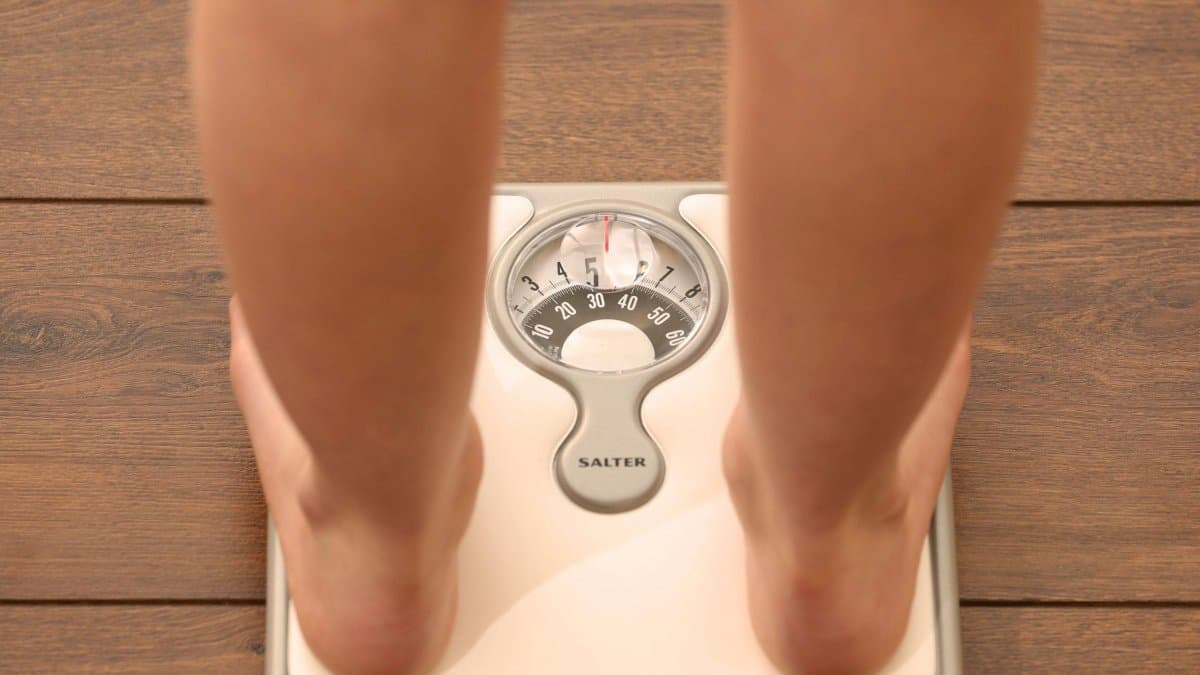
While celebrating the improvement, experts often warn that the problem is far from being solved. More than four in 10 U.S. adults suffer from obesity, according to the latest State of Obesity report from the Trust for America's Health. It further details that Hispanic adults are among the groups that "tend to have the highest rates of obesity."
In its long-awaited - and in some sections, criticized - MAHA report, the department headed by Kennedy emphasized childhood obesity. "Today in the U.S. more than 1 in 5 children over 6 years old are obese," the report asserts. "This is a more than 270% increase compared to the 1970s, when less than one in twenty children over 6 were obese."
In addition to entailing problems for children's health in the present, obesity also entails problems for their future: about 80% will continue to suffer from it when they grow up, according to the report. And for the country's future, since it implies setbacks such as an increase in health expenses or the inability to cover certain functions. Functions such as military service: "Over 75% of American youth (aged 17-24) are ineligible for military service—primarily due to obesity, poor physical fitness, and/or mental health challenges."
The MAHA plan
Kennedy Jr.'s dual exercise-diet tactic seems to have permeated all government action against obesity. For example, in schools, with the restoration of the Presidential Fitness Test (exercise) and the launch of "healthy snacks" in school lunchrooms (diet).
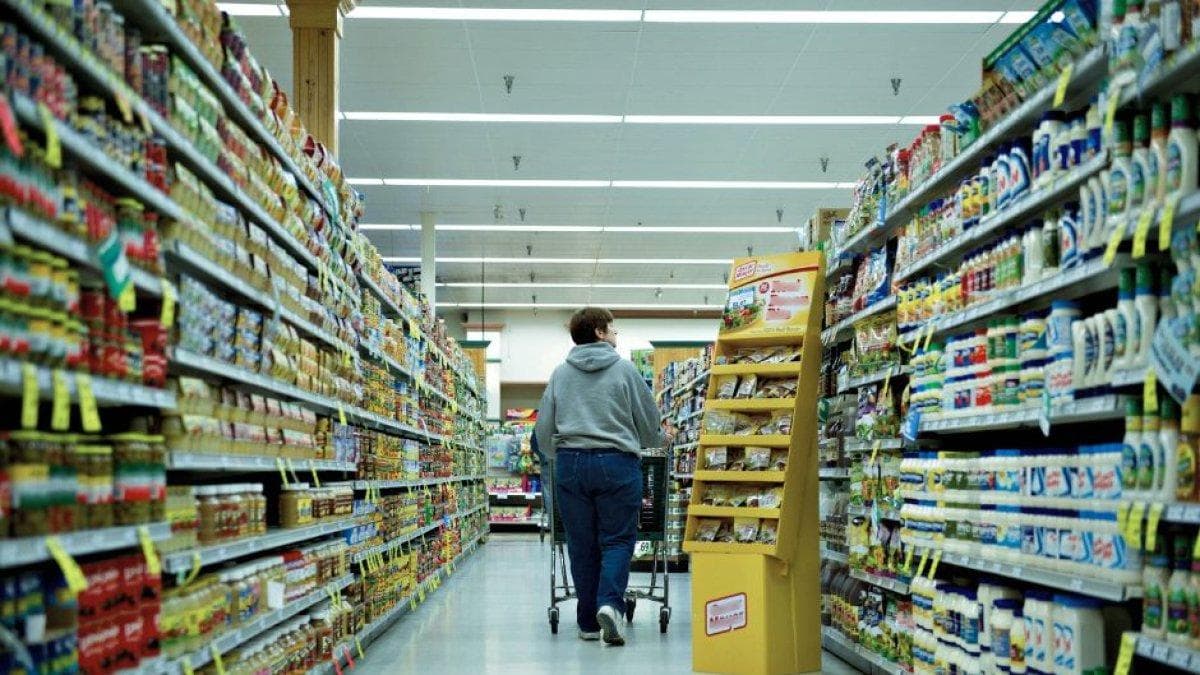
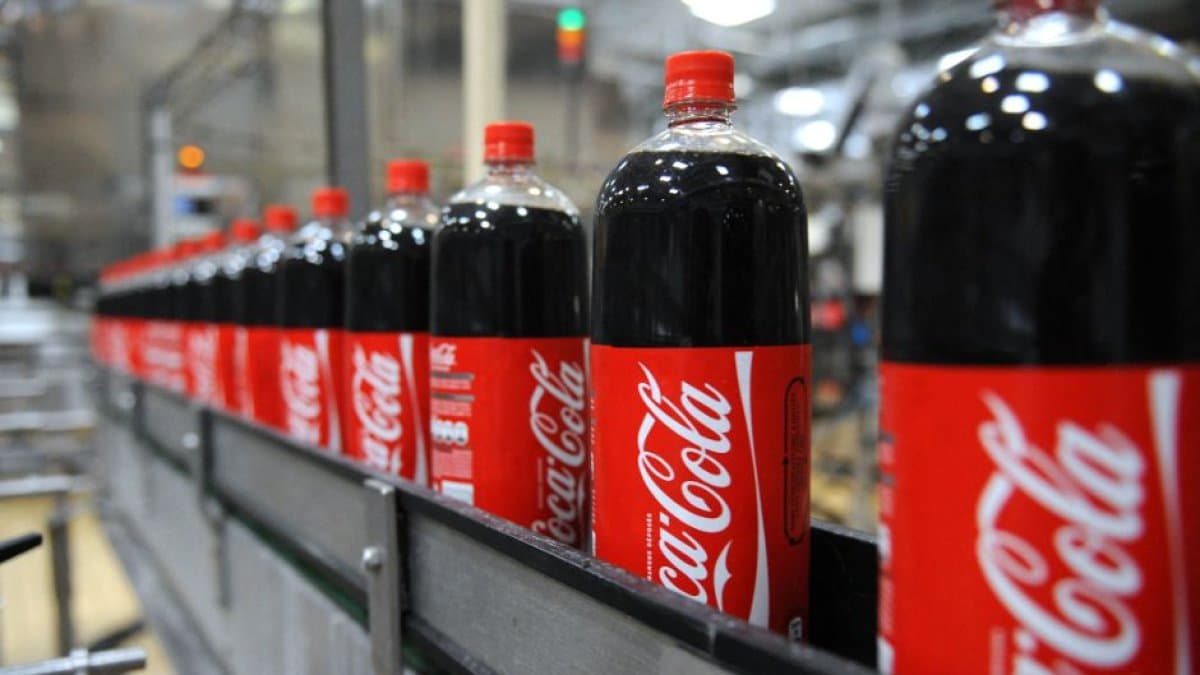
The former environmental lawyer wants to put the burden of the diet not only on consumers, but also on producers, making them modify their recipes:
Politics
Health Secretary Robert F. Kennedy Jr. meets with Starbucks CEO to discuss MAHA menu plans
Agustina Blanco
For some of his initiatives, the secretary sought to enlist the states. Earlier this month he asked governors to require medical schools to teach mandatory nutrition courses. Six states have allegedly passed similar laws, he said.
In June, he joined Gov. Kevin Stitt in launching the Make Oklahoma Healthy Again Initiative.
Moving forward, HHS is incentivizing collaboration with the health and technology sectors for the creation of a "digital health ecosystem." Still in development, one of its proposals specifically targets obesity and diabetes, promising digital tools that provide "diabetes and obesity management" guidance to users.
So far, eight companies have signed up for the proposal. One of the first attempts, for example, is to create apps that use "the clinical record to generate personalized coaching, reminders, and risk alerts."
Politics
Trump administration withdraws junk food from SNAP program in six more states
Carlos Dominguez
HHS also promised future obesity reports in the coming weeks.
Only the future will tell if the secretary-influencer strategy works.
🛠 Do you think there is an error in this article?
Recommendations

LATEST