Administration announces new 'digital health ecosystem' in partnership with companies like Google, Amazon and UnitedHealth
"We’re trying something different, this is not regulation or rulemaking, this is a voluntary alignment," argued Amy Gleason, administrator of the DOGE. More than 60 companies have reportedly pledged to be part of the project.

The White House unveiled plans to launch a series of healthcare tools for providers and patients under the name CMS Digital Health Ecosystem. The future "next-generation digital health ecosystem" will, according to the CMS website, seek to make it easier for Americans to access their information and make decisions, as well as share data across the industry.
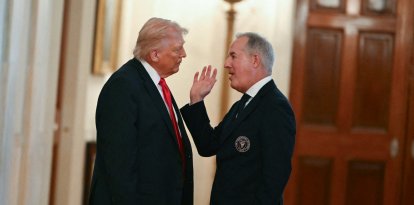
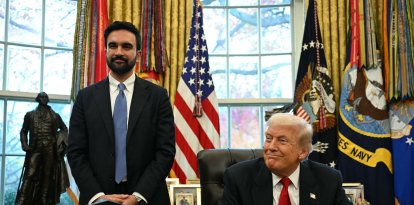
"With today's announcement we take a major step to bring healthcare into the digital age," Donald Trump maintained on Wednesday, during the Make Health Tech Great Again event.
Health Secretary Robert F Kennedy, Jr, assured that "for decades, bureaucrats and entrenched interests buried health data and blocked patients from taking control of their health. ... That ends today."
"I can order groceries and have them delivered in minutes, I get personalized recommendations on my other apps... but in health care we still see it on paper and manual situations," Amy Gleason, administrator of the Department of Government Efficiency (DOGE), said during the event.
Gleason remarked that the initiative depends on private sector collaboration: "We’re trying something different, this is not regulation or rulemaking, this is a voluntary alignment around a shared vision." "The companies pledged today are agreeing to collaborate, even with their direct competitors because they know we can’t keep kicking the can down the road," she added.
According to the government, more than 60 companies committed to collaborate with the initiative. Amazon, Google, Microsoft AI, Amazon and UnitedHealth Group are some of the companies listed as participants on the project's official website.
In addition, Gleason detailed some solutions that could be part of the program, such as access to medical records through a QR code, a virtual assistant with artificial intelligence to understand analysis results or coverage of health plans in "plain language" and applications to monitor chronic diseases 24 hours a day which would not replace doctors, but would "just fill in the gaps between visits."
The administration assured that the system will be voluntary not only for companies, but also for patients. They also assured that there will not be a centralized database managed by the government.
Authorities promised to present results during the first four months of 2026.
LATEST