






Oil giants did not commit to invest massively in Venezuela due to lack of legal security and infrastructure problems
Of the three major U.S. oil companies, only Chevron committed to increase its investments and in a limited way.
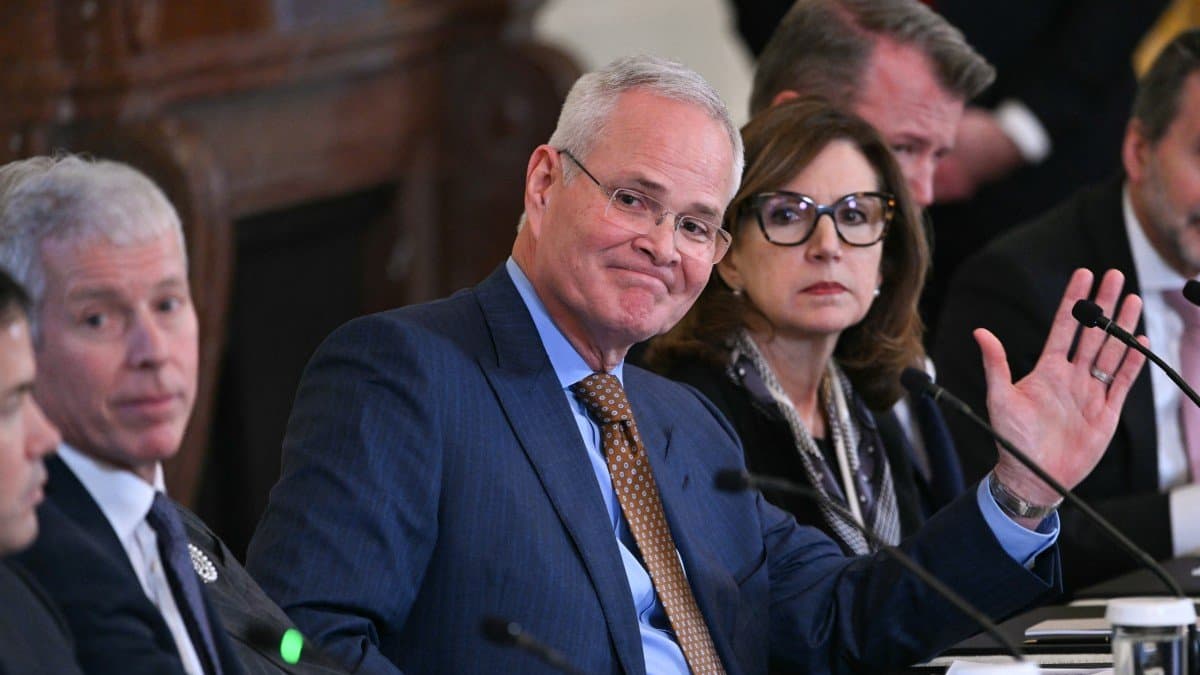

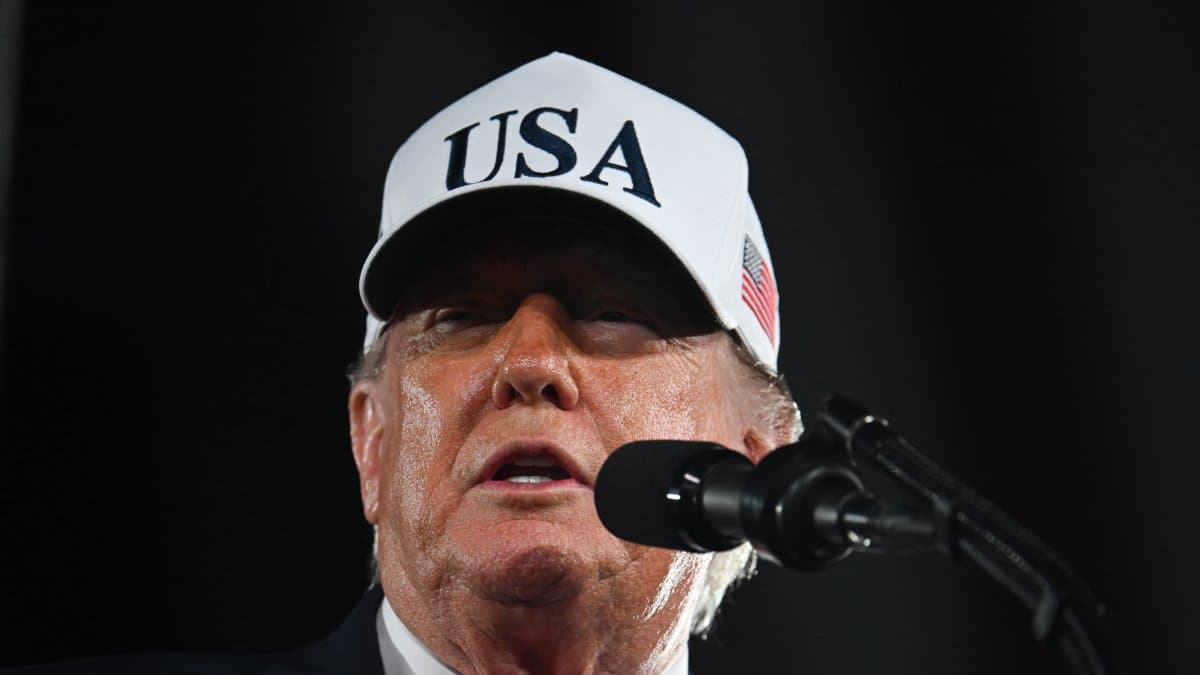
Less than a week after the capture of Chavista dictator Nicolás Maduro, President Donald Trump on Friday urged U.S. oil giants to invest $100 billion in Venezuela to recover the South American country's crude infrastructure in exchange for Washington's protection and security, in a gamble that, for now, some industry giants still consider risky.
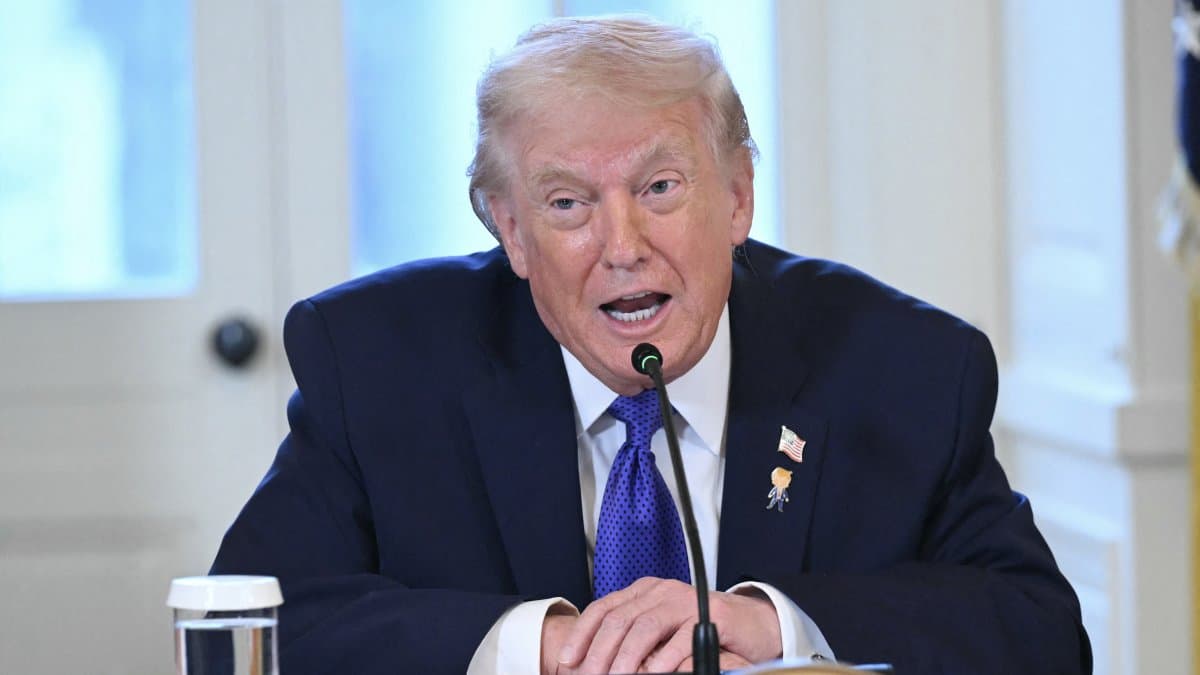
"American companies will have the opportunity to rebuild Venezuela’s rotting energy infrastructure and eventually increase oil production to levels never seen before," President Trump said at the start of a meeting with U.S. oil giants and some European leaders.
"Our giant oil companies will be spending at least $100 billion of their money.”
The president's remarks came at a meeting attended by the CEOs and some senior representatives of Exxon Mobile, Chevron, ConocoPhillips, Continental Resources, Halliburton, HKN Energy, Valero Energy, Marathon Oil, Aspect Holdings, Tallgrass, Raisa and Hilcorp. Spain's Repsol, Britain's Shell, Netherlands-based Vitol, Italy's Eni and Switzerland's Trafigura also came to the call.
Throughout the extensive meeting, Trump was clear: he wants investments, and he wants them now. Insistently, the president pressed oil powerhouses to take a leap of faith in Venezuela and bet big on a country with the world's largest crude reserves. However, despite Venezuela's enormous potential and Washington's promises to mentor a transition to democracy, several giants were still reluctant to take up the challenge. The clearest example is Exxon Mobil, a company that suffered firsthand the legal uncertainty caused by the expropriations of the Chavista regime.
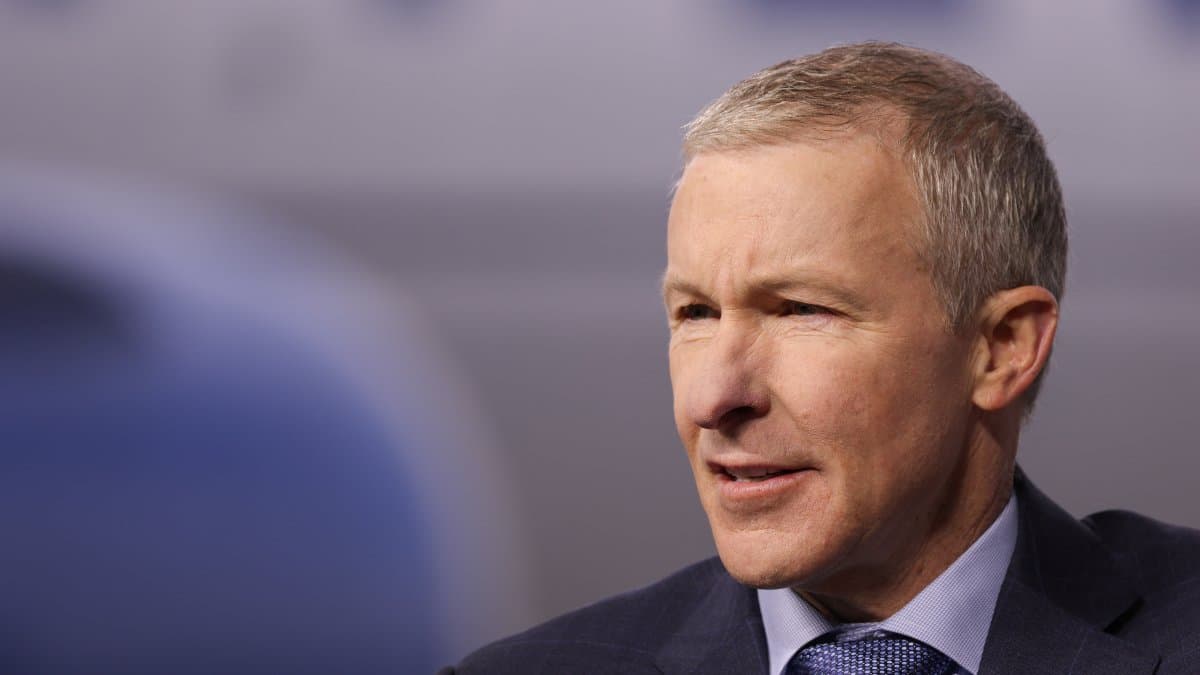
The CEO of Exxon Mobiel, Darren Woods, was blunt: under these conditions, an investment in Venezuela is "uninvestable."
"Significant changes have to be made to those commercial frameworks and the legal system; there have to be durable investment protections," said Woods, who was asked by Trump how long it would take to reactivate operations in the country.
Woods only pledged to send a technical team to Venezuela in the short term to assess the current situation in the country.
Woods' words demonstrate investors' concern. Although the U.S. succeeded in deposing Maduro and is getting, at least officially, cooperation from the Chavista authorities, Venezuela remains an uncertainty in itself. Diosdado Cabello, Chavismo's number two wanted by the US for drug trafficking, continues to dominate the regime's repressive apparatus; Vladimir Padrino López, also indicted for drug trafficking, remains in command of the Bolivarian Armed Forces, and the Rodriguez brothers, Delcy and Jorge, right now the de facto leaders of the transition in Venezuela, have an extensive record of treason and crimes.
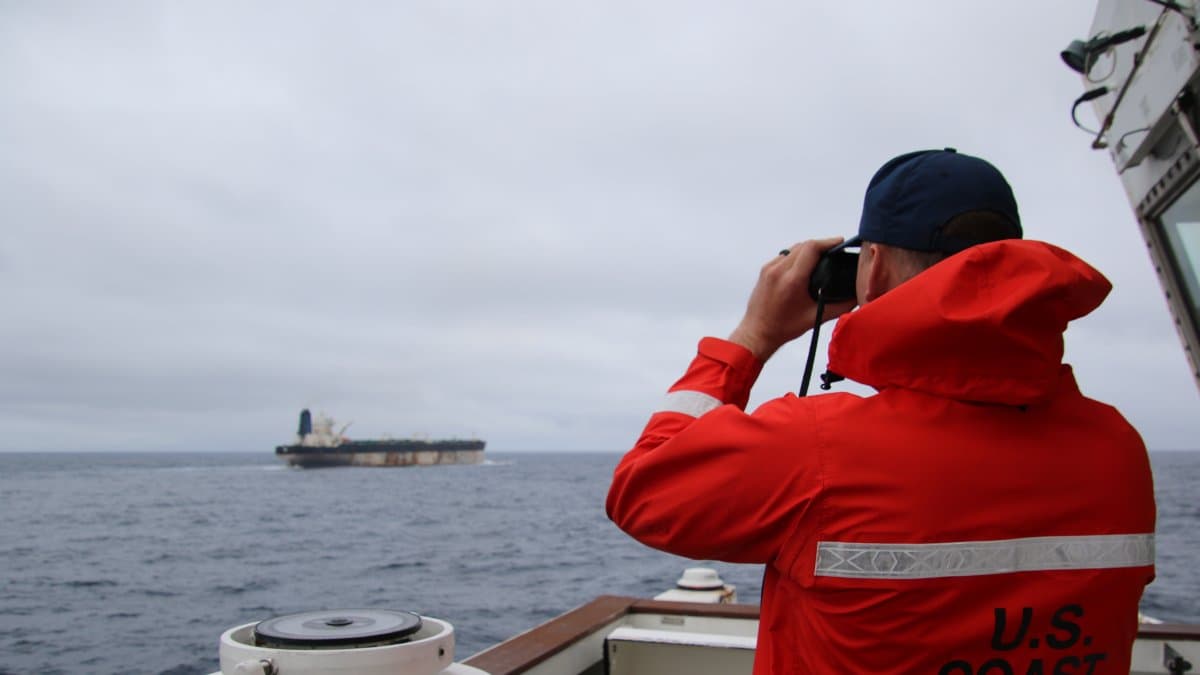
There are reports that the situation in Venezuela remains tense and unstable, despite the United States maintaining a threat of force in the Caribbean, which, for the moment, seems to keep things on track. President Trump, who has pledged to lead a transition and stabilize the country, has not ruled out sending troops to Venezuela and today said that, at least for now, he will cancel a second strike against the Chavista authorities but keep the naval deployment in the Caribbean.
"The transition to democracy is an economic and oil necessity, not just a political one, and that was what President Trump realized today in the meeting with the big oil industries," Venezuelan political scientist and economist Daniel Chang, of the consulting firm Politiks, told VOZ. "Let's remember that one of Trump's main objectives in this intervention is to reactivate the Venezuelan oil industry to lower prices and strengthen Venezuela's geopolitical position. However, oil industries and oil investments require many years to pay off, and many of the oil companies that were at the meeting, such as Exxon Iconoclast and Phillips, have had a terrible experience with Chavismo."
"These companies have had assets expropriated, and Chavismo has a long history of breaking agreements and violating the legal framework. That is why it is natural that there is skepticism. Today, the government of Delcy Rodriguez accepts all of Trump's conditions because it is under pressure: it faces a real military threat in the Caribbean Sea. However, that threat is not permanent. It will not last the ten or fifteen years that these industries need to recover and make their investments profitable. It is therefore logical for oil companies to demand a credible government and stable rules, which will guarantee that their investments will not be lost once Trump leaves power and Venezuela is once again left without that military deterrent."
World
Chavista grassroots react with disappointment and confusion after Delcy Rodríguez’s oil deal with the U.S.
Emmanuel Alejandro Rondón
Some oil companies trust the words of the U.S. president and expressed their intention to invest in Venezuela.
Jeff Hildebrand, of Hilcorp, a large private oil and gas producer, was among the most enthusiastic.
"Thank you for your great, tremendous leadership in protecting the interests in the Western Hemisphere," he said. "The message that you have sent to China and our enemies to stay out of our backyard is absolutely fantastic. Hilcorp is fully committed and ready to go to rebuilding the infrastructure in Venezuela."
In addition to Hilcorp, Chevron, which already operates in Venezuela, took a step forward, albeit limited, to increase its investments.
Mark Nelson, the company's vice president, said Chevron could quickly increase oil production by about 100%, and then an additional 50% over the next two years.
"We are pumping 45,000 barrels a day in Venezuela and are prepared to scale that up in the coming years if the proper commercial and legal framework is established," Nelson said.
Experts, however, believe that this increase is still below the Venezuelan productive potential and investment expected by Trump.
Likewise, Ryan Lance, CEO of ConocoPhillips, pointed out during the meeting that in order to restore Venezuela's infrastructure and oil production, "We need to also be thinking about even restructuring the entire Venezuelan energy system, including PDVSA."
In total, of the three U.S. oil majors, only one committed to invest more and on a limited basis. For some analysts, this is clearly due to a lack of legal certainty and security.
“U.S. companies require stability and security—both physical and legal—before considering investment in Venezuela. Stability can only be achieved by removing from decision-making the factions of chavismo that currently control industries such as oil and mining and that oppose opening the Venezuelan market,” Diego Loyo Rosales, a finance master’s graduate and political scientist, told VOZ. “And legal stability can only be achieved through a deep reform of economic laws and a restructuring of Venezuela’s legal system to ensure that those legal reforms are not only implemented but also protect private industry and investments.”
"To achieve both, it is not only necessary for the United States to maintain an active involvement but also to have as a political leader in Venezuela a counterpart that is trustworthy and that generates confidence in American companies. At the moment, the former is proven, but the latter does not exist, because American companies distrust the figures of Chavismo." "At the moment, the former is proven, but the latter does not exist, because American companies distrust the figures of Chavismo.
🛠 Do you think there is an error in this article?
Recommendations
LATEST