






Oil prices rise as Trump escalates threats against Iran
West Texas Intermediate (WTI) was up 1.5 % per barrel, trading around $63-64 in early Asian and European sessions after recovering from slight early declines. Brent (North Sea), the international benchmark, also posted a moderate increase, around 0.1-0.2% at times, and moved in the range of $68.50-$68.80.
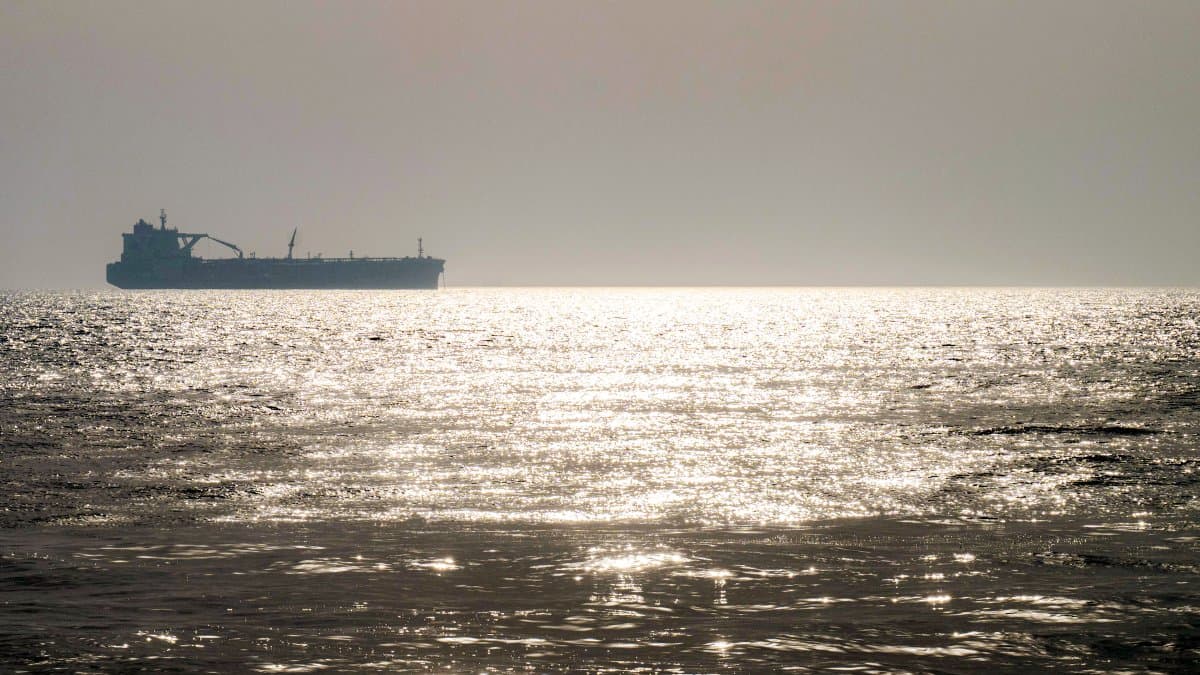

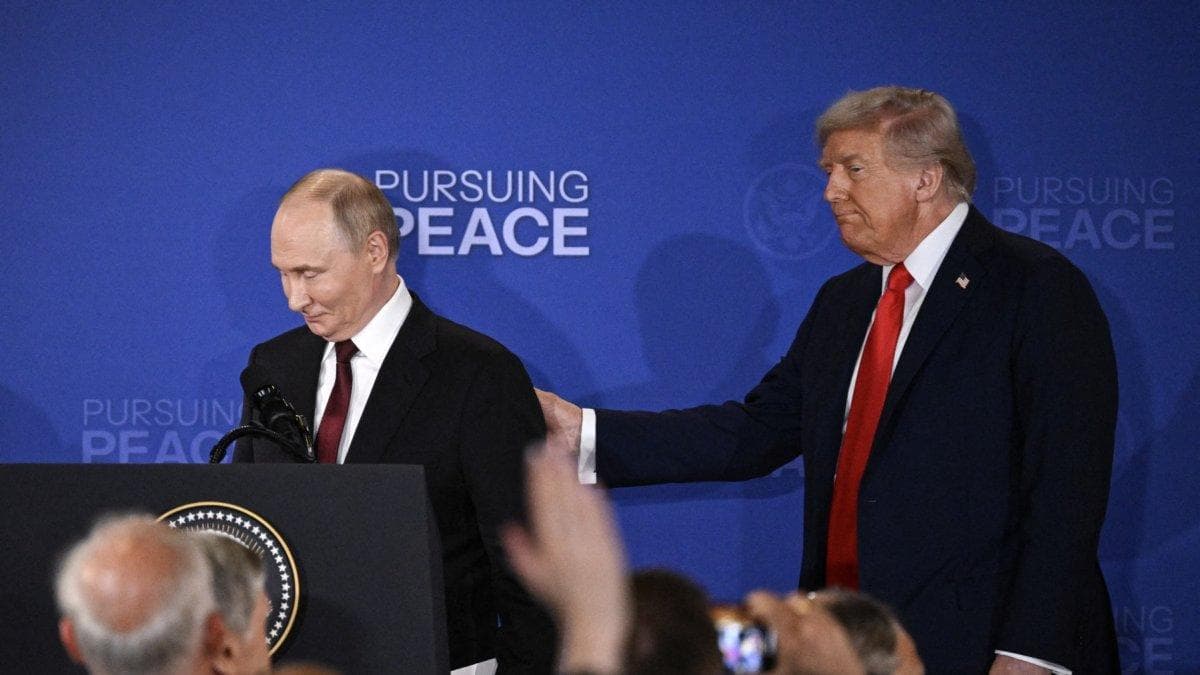
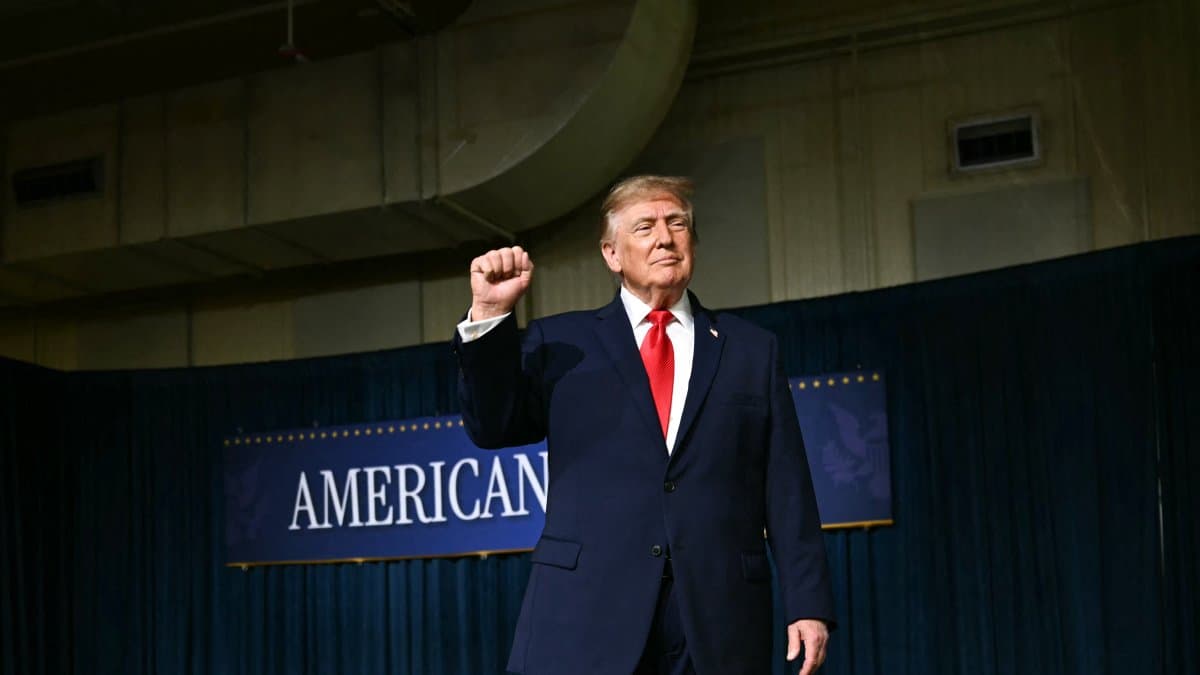
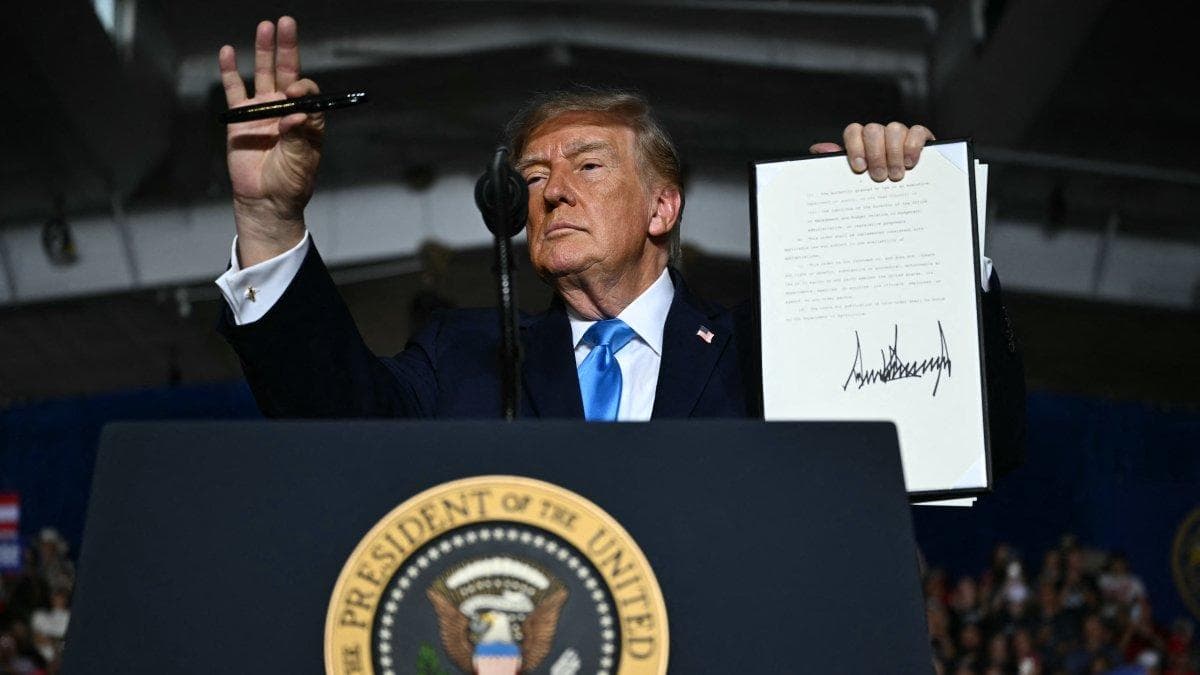
Oil prices rose Tuesday after President Donald Trump raised the tone of his threats against Iran, a major crude oil producer, as the two countries held talks in Geneva on Iran's nuclear program.
West Texas Intermediate (WTI) rose 1.5% per barrel, trading around $63-$64 in early Asian and European sessions after recovering from slight early declines. Brent (North Sea), the international benchmark, also posted a moderate increase, by around 0.1-0.2% at times, and moved in the $68.50-$68.80 range.
"There is speculation that Iran may agree to dilute its most highly enriched uranium in exchange for the full lifting of financial sanctions, but it is unclear whether that will be enough for the two sides to close a deal," said Aarin Chiekrie, analyst at Hargreaves Lansdown.
Iran and the U.S. resumed negotiations as Trump warned there would be consequences if Tehran failed to reach an agreement, in a context in which the U.S. leader has issued several threats of military intervention against the country, first over last month's harsh crackdown on protesters and more recently over its nuclear program.
On Tuesday, Iran reiterated that lifting U.S. sanctions is an indispensable element for any nuclear pact with Washington.
JNS
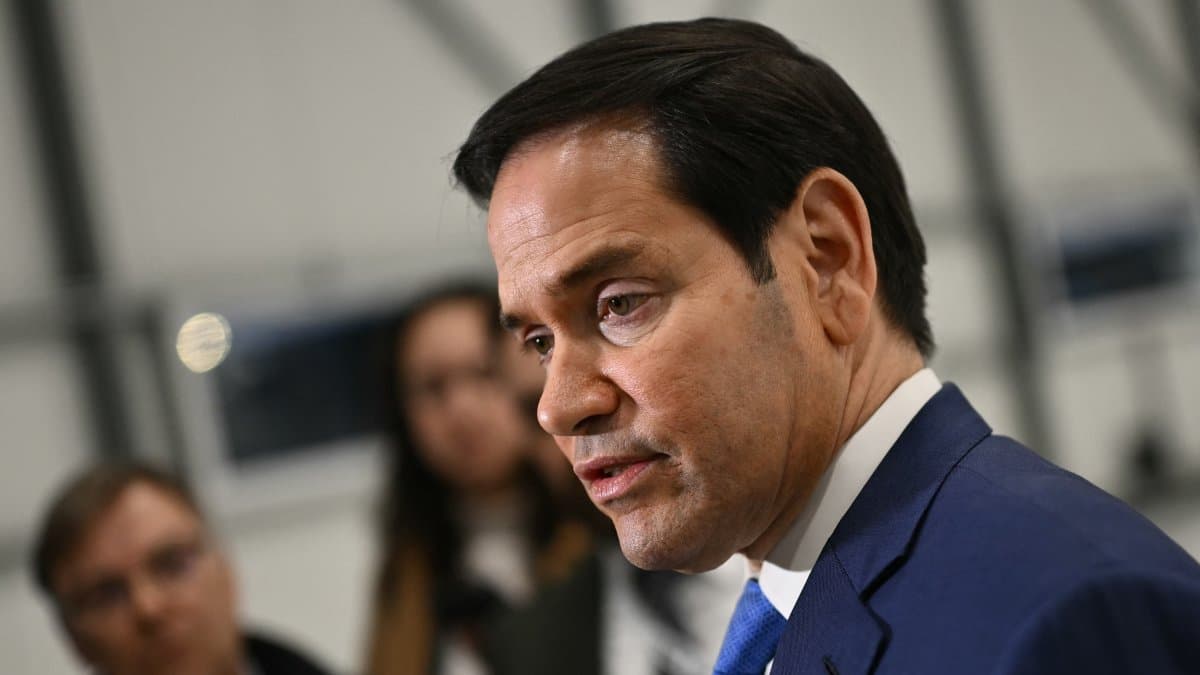
Rubio on Iran: ‘Complicated’ to negotiate with ‘radical Shia clerics’
JNS (Jewish News Syndicate) - Amelie Botbol
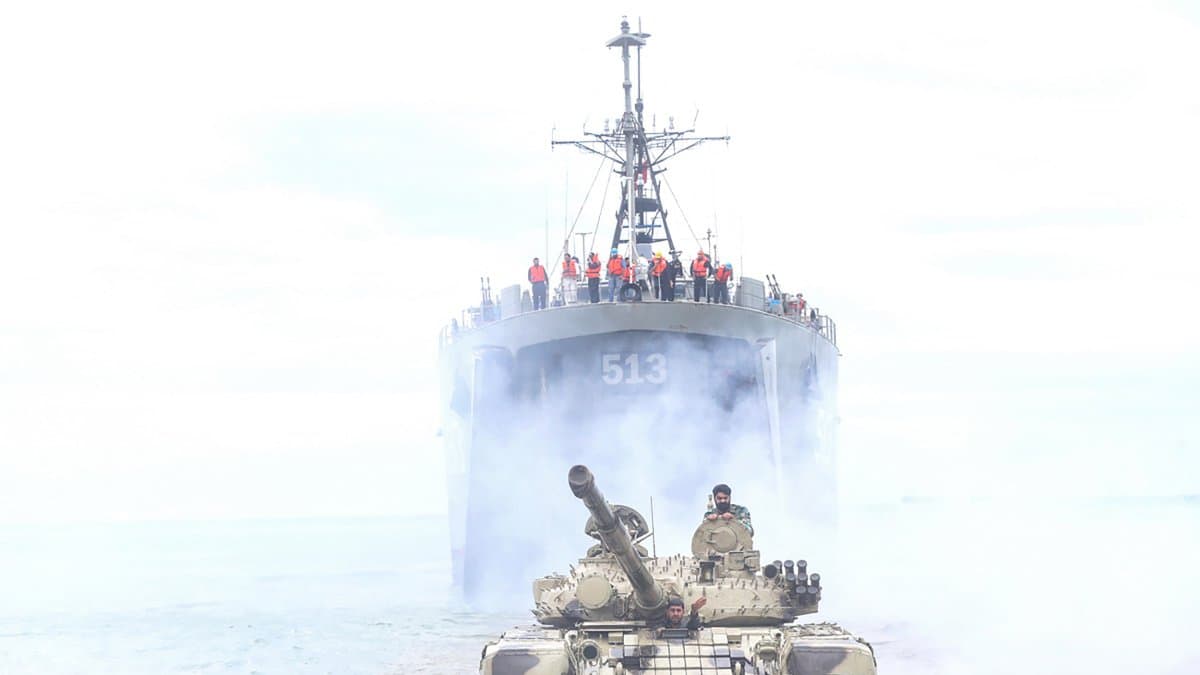
Iran launched military maneuvers in the Straits of Hormuz
Although Iranian military sources insisted it was only an annual exercise, the regime has repeatedly threatened to block the passage between the Gulf of Oman and the Persian Gulf, a route through which some 20% of the world's oil flows.
In statements to the official IRNA news agency, the commander of the Islamic Revolutionary Guard Corps naval force, Alireza Tangsiri, assured that the Strait and the Persian Gulf were "invincible fortresses" and a "national honor" for Iran. He further stated that the mission of the corps is to "ensure safe passage to non-hostile countries." Iranian public television reported that parts of the strait would be closed for "security."
The U.S. aircraft carrier USS Abraham Lincoln has remained deployed in the region since the beginning of the year and, alongside it, at least eleven other U.S. warships operate in Middle Eastern waters. Last Friday, President Trump announced that the USS Gerald Ford, considered the world's most powerful aircraft carrier, would soon join the deployment.
🛠 Do you think there is an error in this article?
Recommendations




LATEST