






Inflation declines to 2.4% annually in January, beating expectations
The consumer price index (CPI) came in below the 2.5% annual rate anticipated by analysts, according to the Trading Economics consensus. This was helped by a 1.5% monthly drop in total energy costs, including gas prices.


Inflation in the country began the year with a clear retreat, driven by the drop in energy prices, and stood in January at 2.4% annually, down from 2.7% in December, according to official data released Friday.
The consumer price index (CPI) came in below the 2.5% annual rate anticipated by analysts, according to the Trading Economics consensus. This was helped by a 1.5% monthly drop in total energy costs, including gas prices.
On the other hand, food was still 0.2% more expensive than in December and 2.9% higher than a year ago.
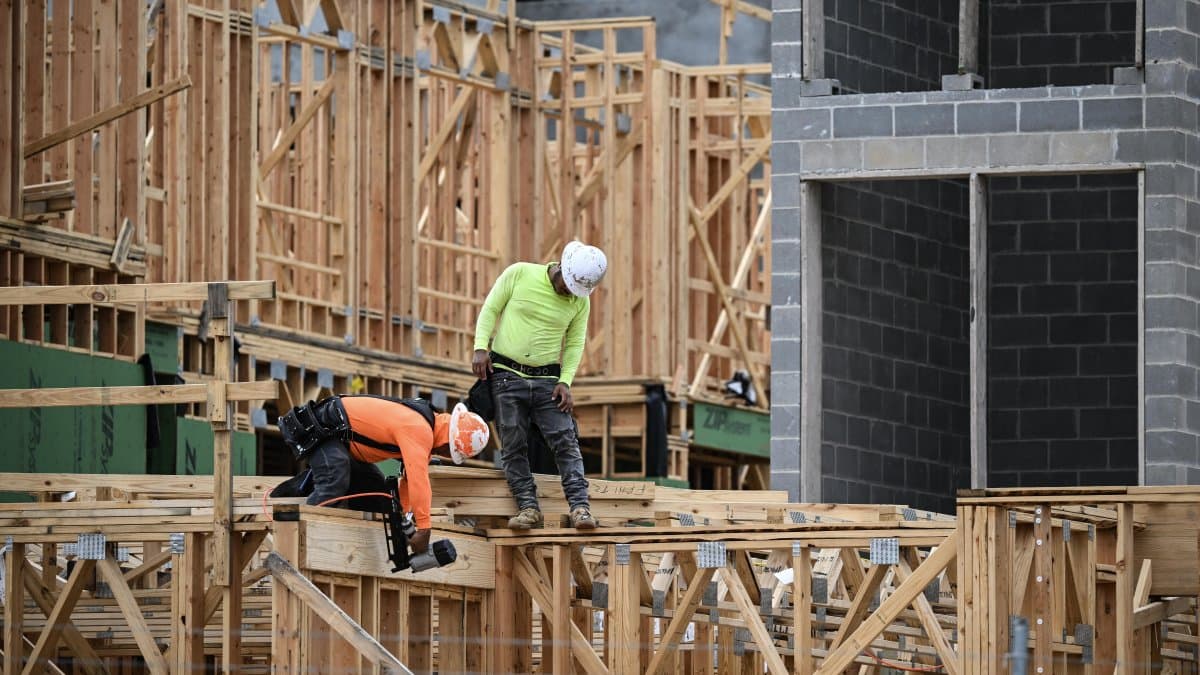
Excluding the volatile food and energy sectors, core inflation came in at 2.5% over the past 12 months, slightly below the December level (2.6%). Consumers were also helped by a drop in used vehicle prices.
The White House swiftly lauded the report, with deputy press secretary Kush Desai saying it proves that Trump "has defeated" an uptick in inflation that took place under his predecessor Joe Biden.
Federal Reserve forecast
The inflation figures released Friday close a week marked by relevant economic data, including an employment report that showed January growth above expectations.
The Fed made three interest rate cuts last year, but has postponed further action for now, aiming to bring inflation back to the 2% target.
🛠 Do you think there is an error in this article?
Recommendations





LATEST