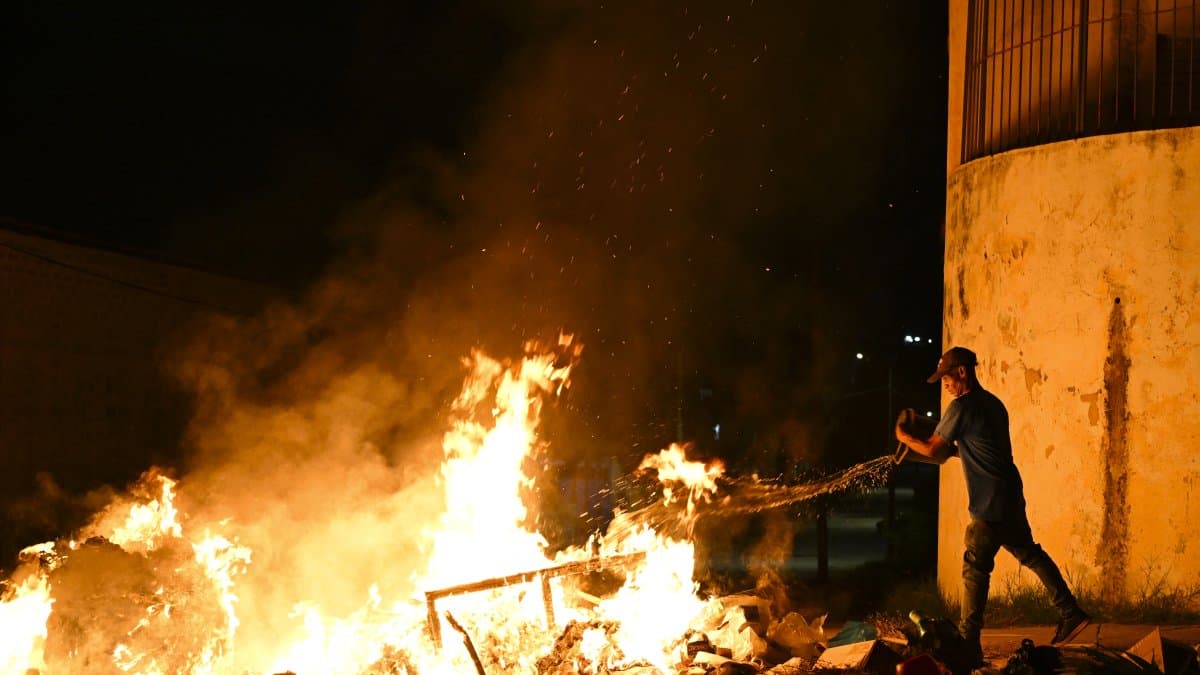
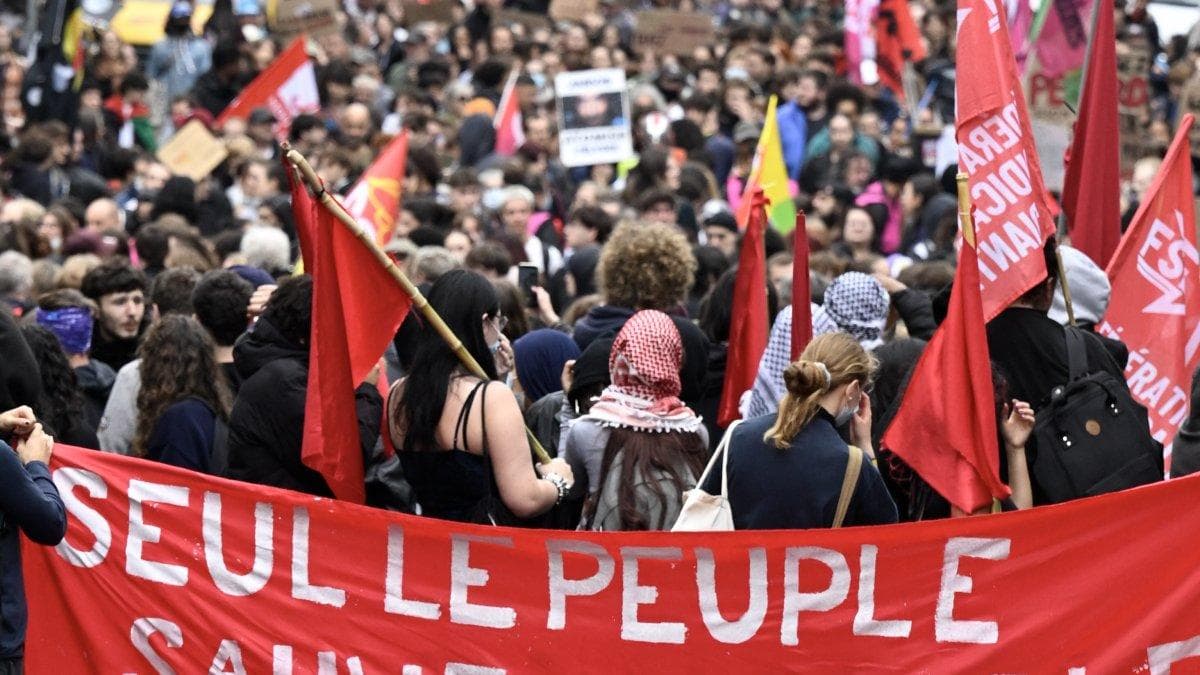
The Venezuelan regime orders the arrest of anyone who celebrated the capture of Nicolás Maduro
According to unofficial figures, 14 journalists were kidnapped in the capital Caracas. Likewise, another 30 people were arrested in Valencia, one of the most important cities in the country.
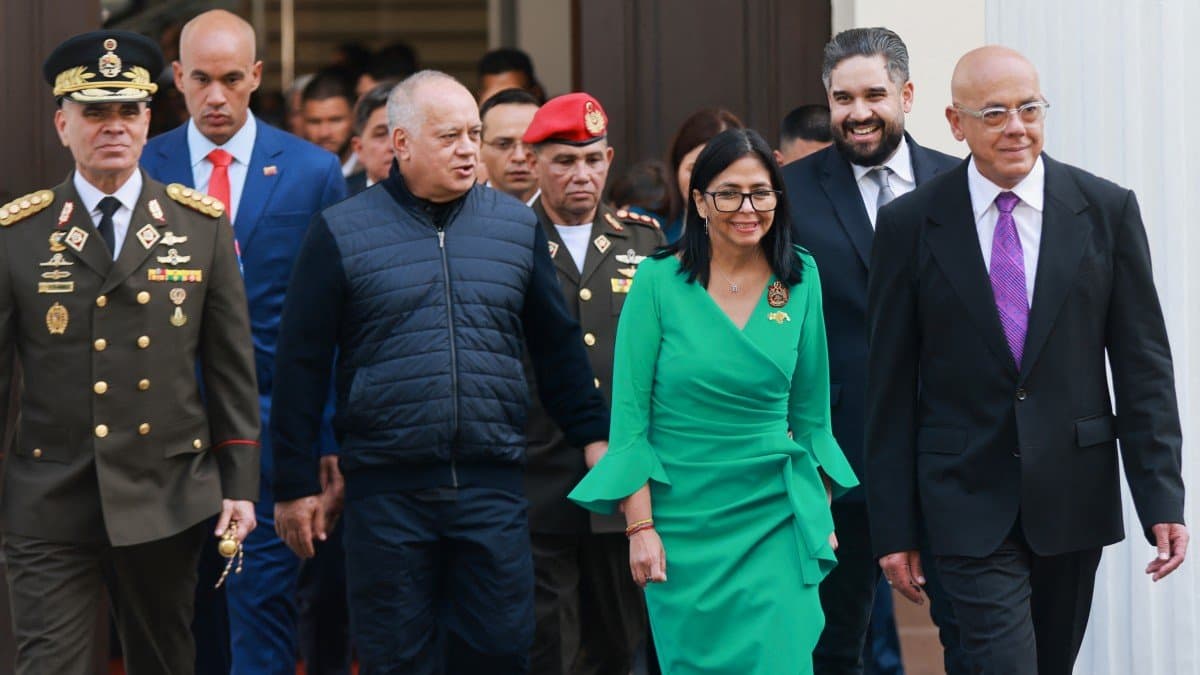

Venezuela's regime, now commanded by Nicolas Maduro's replacement, Delcy Rodriguez, ordered the arrest of anyone who celebrated in any way the capture of the Venezuelan dictator by U.S. special forces.
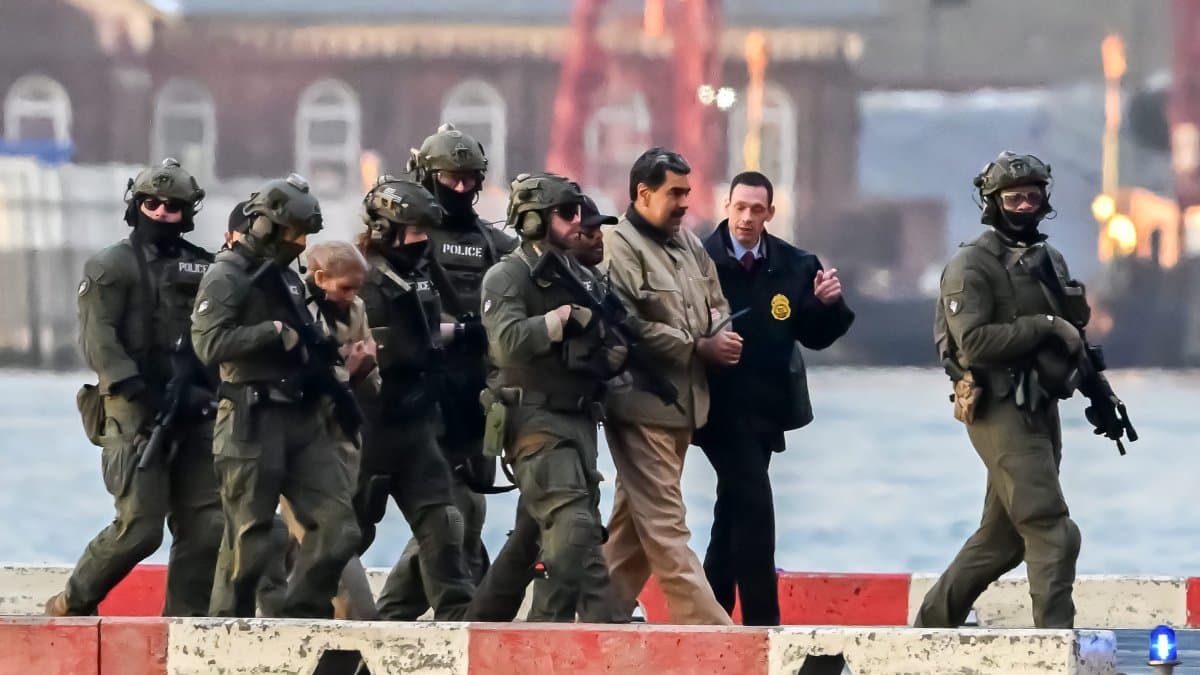
"The national, state and municipal police bodies shall immediately undertake the search and capture throughout the national territory of any person involved in the promotion or support of the armed attack by the United States of America against the territory of the Republic, for the purpose of being brought before the Public Prosecutor's Office and the criminal justice system," reads the decree, which is signed by Maduro, although he is being held in New York after his first hearing before a Manhattan judge, where he pleaded "not guilty."
The order took immediate effect. According to unofficial reports, dozens of Venezuelan journalists and citizens have been detained or kidnapped this January 5.
According to human rights activist Ana Karina Garcia, at least 30 people were detained in the city of Valencia, Carabobo state, this January 5, "for having opposition messages or photos on their phones."
#URGENTE se reportan más de 30 detenidos en Valencia en el elevado de Tajasal por tener fotos y mensajes de oposición en su teléfono.
García also warned that in the main roads of the capital, Caracas, such as Boyacá Avenue, better known as Cota Mil, "bodies of repression of the regime stop citizens and check their phones, threatening them."
VOZ was able to independently confirm the reports of the Chavista regime's repressive operation in Caracas. According to three different sources in the Venezuelan capital, there is a presence of armed Chavista collectives, SEBIN (intelligence agency) officials, hooded men without identification and members of the PNB deployed on the city's main thoroughfares.
🚨 BREAKING
Chavismo's paramilitary colectivos are out on the streets of Caracas, terrorizing citizens. They've started kidnapping people who are celebrating Maduro's capture.
It looks like we need a second strike very soon. pic.twitter.com/cwePn9uibu
Pueden ver colectivos armados (grupos paramilitares del chavismo), alrededor de un periodista que intenta hacer su trabajo desde la Plaza Altamira de Caracas. Esto ocurre mientras el @sntpvenezuela denuncia la detención de varios periodistas nacionales y extranjeros. pic.twitter.com/KaaOuKJ5cL
"La Cota Mil is taken in both channels," said a source who reported, in addition, the "presence in Altamira" of repressive forces.
In addition to the arrests in Valencia, the National Union of Press Workers of Venezuela denounced the kidnapping of at least 14 journalists in Caracas. Thirteen of them were agency workers and international media.
"During the coverage of the installation of the session in the NA, journalists were forbidden to broadcast live and to record or take pictures. There, at least three were detained by officials of the DGCIM, transferred to the Guard command inside the Legislative Palace and, as part of the procedure, their cell phones were searched, access codes were demanded and they entered photos, contacts, conversations, voice notes, Instagram accounts, emails and files stored in the cloud," the union denounced.
They added, "In the case of journalist Daniel Álvarez, a Televen reporter, he lost custody of his phone for a time when the officials left the place where they kept him before releasing him. This type of action not only violates the privacy and secrecy of sources but also configures a pattern of criminalization of the journalistic exercise."
#URGENTE | Sube a 14 el número de periodistas y trabajadores de la prensa detenidos este #5Ene: Once son de medios y agencias internacionales y uno de medios nacionales.
Cuatro han sido liberados y los otros 10 siguen detenidos, algunos en situación de desaparición forzosa
At the time of publishing this article, the union reported that at least twelve of the fourteen detainees had been released.
The arbitrary arrests and the deployment of repressive forces in Caracas and Valencia occurred during the first day of Delcy Rodriguez as Maduro's official replacement.
Before a pro-government National Assembly, Delcy Rodriguez and her brother, Jorge Rodriguez, were sworn in under the titles of "president in charge" and "president of the National Assembly" respectively. Both titles are considered illegitimate by dozens of countries around the world, including Washington, which is overseeing this transition period in Venezuela under threat of further military incursions to protect U.S. national and security interests.
However, in the first hours of Venezuela's regime without Maduro, detentions and arbitrariness continued, generating doubts as to whether the transition period will at least restore the freedoms lost by Venezuelans under the Chavista regime.
So far, in addition to the Rodriguez brothers, Interior Minister Diosdado Cabello and the minister of Defense, Vladimir Padrino López, both wanted by the U.S. for drug trafficking, are still in the country and are in charge of the Chavista repression machinery. Their role in this transition period is still unclear.
Some voices in the US, such as Florida representative Carlos Gimenez, demanded the release of the kidnapped and all political prisoners.
"This repressive wave breaches American conditions. Then don't complain," the representative denounced.
According to various NGOs, in Venezuela, there are still more than 1,000 political prisoners. Although the figures vary according to each organization.
🛠 Do you think there is an error in this article?
Recommendations
LATEST