Chevron will give oil to Maduro's regime as part of its reactivation in Venezuela
The measure could represent an alternative means of income for Chavismo, still under U.S. economic sanctions.
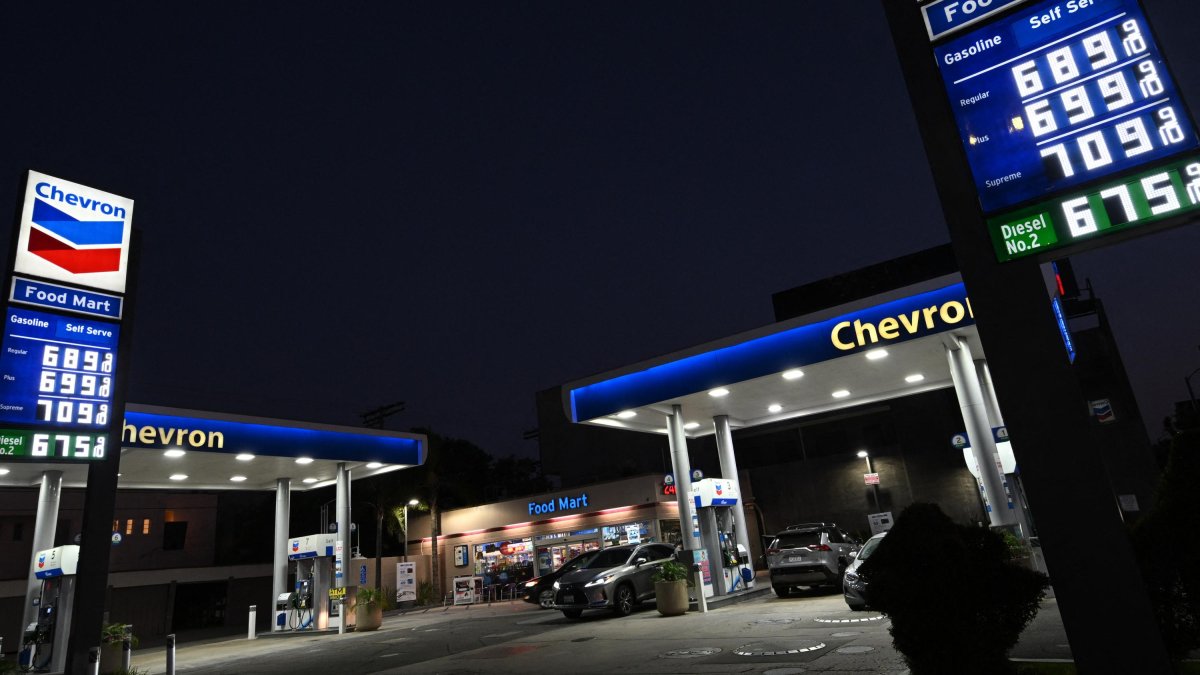
A Chevron gas station

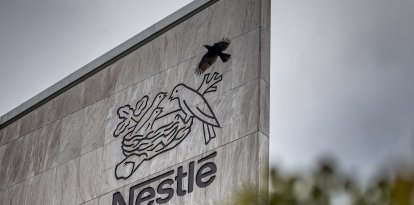
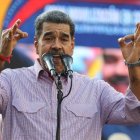
Chevron Corporation will hand over a portion of its oil production to Nicolas Maduro's regime under new terms agreed to resume operations in Venezuela. The pact with Petróleos de Venezuela S.A. (PDVSA) was sealed shortly after Washington granted a specific license to the company to operate under regulatory oversight.
According to information from Bloomberg, sources familiar with the agreement explained that the scheme does not involve cash payments, but that part of the crude oil extracted will be transferred to the Venezuelan regime, which could then commercialize it in international markets such as China. The measure could represent an alternative means of income for Chavismo, even under U.S. economic sanctions.
Chevron replicates scheme in force with other foreign oil companies
The model adopted by Chevron is not exclusive. Other foreign companies still operating in Venezuela have established similar arrangements with PDVSA, handing over part of their production to the State as a form of compensation. Although no money is transferred directly, the regime would benefit by being able to freely dispose of that oil and place it on the global market, partially circumventing the financial restrictions imposed by Washington.
Washington insists that it will not allow benefits to the regime
A spokesman for the Department of State reiterated that the official policy of the United States is to prevent the Venezuelan regime from making profits from the sale of crude oil. However, the very design of the agreement allows Caracas to receive oil as a form of payment, which in practice represents a financial relief for the regime.
Chevron, for its part, defended its operation by pointing out that it acts "in compliance with laws and regulations applicable to its business, as well as the sanctions frameworks provided for by the U.S. government, including in Venezuela," according to spokesman Bill Turenne. The financial details of the pact have not been disclosed, but sources assured that it was structured precisely to avoid any direct transfer of money to the regime.
Political tension: Risk of Chinese advance warned
However, the company has defended the return as a necessary strategy to maintain a U.S. presence in a country with key energy resources, preventing adversary powers from consolidating control of strategic assets. That argument has also been backed by figures linked to the Trump Administration, who see Chevron's permanence as a necessary evil in the face of the advance of actors such as China, Russia and Iran in Latin America.
World
Laura Loomer shares chavista propaganda to get Chevron to continue financing Maduro
Virginia Martínez
LATEST