Trump nominates Wesley Hunt ambassador to Saudi Arabia, congressman who was in country when U.S. killed Bin Laden
"Every chapter of my life has reinforced the same conviction: America is worth fighting for," Hunt wrote on X. "Now, I have been called to serve our country once again. Thank you President Trump for the honor."
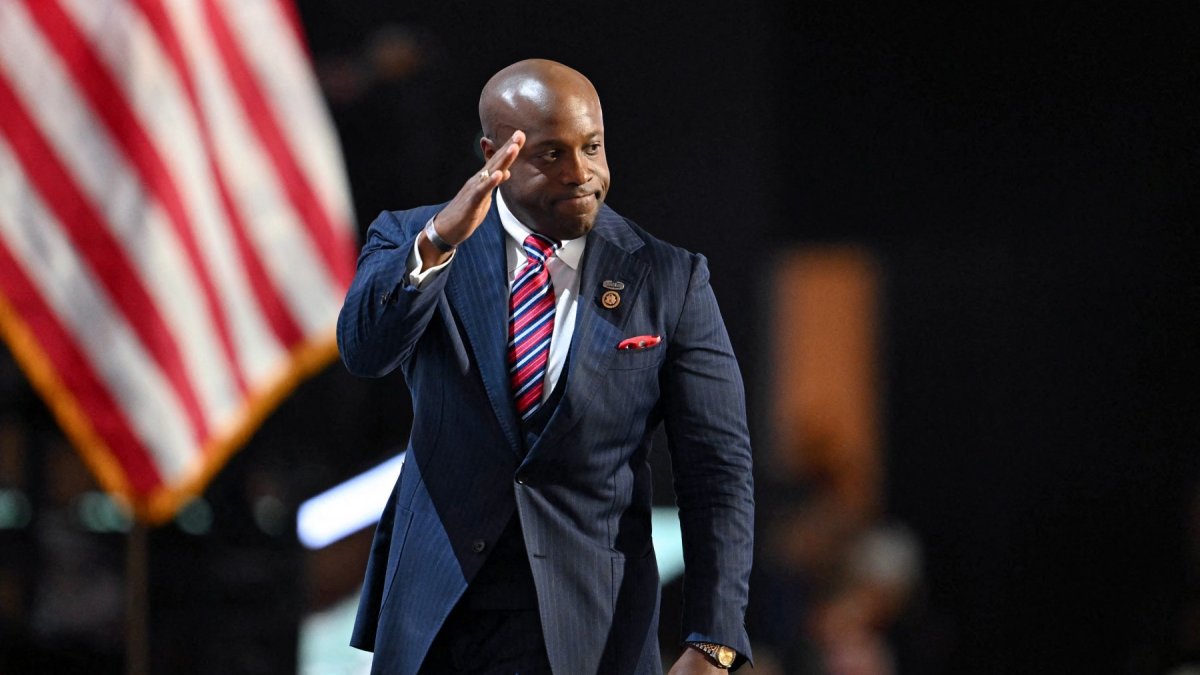
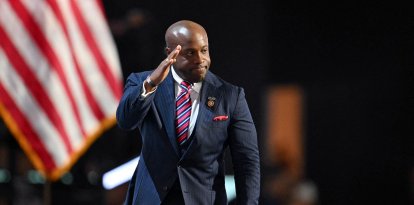
Wesley Hunt gestures after speaking on the first day of the 2024 RNC

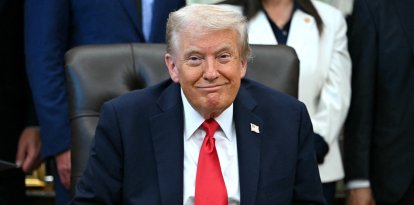
President Donald Trump nominated Representative Wesley Hunt, a Republican from Texas, as U.S. ambassador to Saudi Arabia.
The nomination comes just months after Hunt suffered a stinging defeat in the tight Republican primary for the U.S. Senate seat from Texas, and is part of a batch of 40 nominations sent to the Senate that same day, less than two months before the midterm elections that will determine control of Congress.
Hunt, a second-term congressman, is not only an ally of the president but also has a history with the Kingdom of Saudi Arabia.
Before entering Congress, he was an Army captain and was deployed twice to Saudi Arabia as a diplomatic liaison officer. According to a report by The Texas Tribune, Hunt himself recounted during his campaign that he was in the country when the U.S. government killed Osama bin Laden in 2011, and that he did not go to work for two weeks following that operation out "for fear of bin Laden sympathizers in Saudi Arabia and in Riyadh that could have been possibly targeting American coalition forces."
Hunt's connection with President Trump has been longstanding. He endorsed the then-president just weeks after he launched his reelection campaign in 2022, and in 2024 Hunt had a platform to speak at the Republican National Convention as a spokesperson for Trump's campaign. After learning of the nomination, the congressman thanked the president for the opportunity.
"Every chapter of my life has reinforced the same conviction: America is worth fighting for," he wrote on X. "Now, I have been called to serve our country once again. Thank you President Trump for the honor."
The position of ambassador to the Kingdom of Saudi Arabia — a key post — could be a political lifeline for Hunt, who had staked his political future on a Senate run with little chance of success, facing off against Senator John Cornyn and Attorney General Ken Paxton in a primary aimed at capturing voters more conservative than Cornyn but who, at the same time, were wary of Paxton's ethical record.
The Republican establishment in Washington strongly backed Cornyn, and the March election ultimately forced a runoff between Paxton and Cornyn, leaving Hunt in a distant third place with just 13.5% of the vote.

Trump remained on the sidelines for much of that race. Hunt had made it clear at the time that the president had not asked him either to run or to stay out of the race. It wasn't until the final week before the runoff that Trump publicly endorsed Paxton, who would go on to decisively defeat Cornyn in May.
Hunt's nomination comes at a delicate time for relations between Washington and Riyadh. Trump has made the relationship with Saudi Arabia a priority of his second term, welcoming Crown Prince Mohammed bin Salman at the White House in 2025 and signing various trade agreements with the kingdom. However, as reported by Politico, the appointment comes as tensions flare up between Saudi Arabia and the Iran-backed Houthi rebels, and amid disruptions to Saudi Arabia's ability to export oil caused by the war in Iran.
The position of ambassador in Riyadh became vacant following the departure of Michael Ratney, who was appointed by then-President Joe Biden. Ratney remained in the post until Jan. 2025. Since then, the embassy has been led on an interim basis. During Trump's first term, the position was held by John Abizaid, a retired Army general and former commander of U.S. Central Command.
Hunt's nomination must now be confirmed by the Senate, a process that could be complicated by the legislative calendar, as the Senate has only two weeks of sessions remaining before Election Day.
LATEST