






'A remarkable victory for the most vulnerable': British Parliament rejects legalizing euthanasia after close vote
After more than four hours of an emotional and tense debate, lawmakers rejected a bill aimed at introducing assisted dying in England and Wales, with 286 votes against the bill and 270 in favor.

British lawmakers rejected a bill aimed at legalizing assisted dying in England and Wales, with 286 votes against and 270 in favor. The debate, which lasted more than four hours, was fraught with emotion and tension. "A remarkable victory for the most vulnerable," according to leaders of the pro-life movement.
The bill would have allowed certain patients with a life expectancy of less than six months to access medical assistance in dying. A patient's request would have had to be approved by two doctors and a committee of experts, and the person concerned would have had to be able to administer the lethal substance to themselves.
Second attempt to legalize euthanasia in two years
Prime Minister Andy Burnham, who took office in July, had indicated that he would not participate in the vote so as not to "influence the debate."
In June 2025, the proposal, which had sparked intense debate across the country and in Parliament, was approved by lawmakers in a close vote. But it had to be withdrawn in April after a prolonged deadlock in the House of Lords. The bill was reintroduced in mid-June by a Labour MP.
"Nightmares about death and dying"
For its supporters, the legalization of medical assistance in dying allows terminally ill adults to end their lives with dignity, while its critics believe that it would normalize the pressure on people with disabilities and the elderly to end their lives.
During Friday's debate, Labour MP Janet Daby explained that she had changed her mind following previous votes. She said she had had "nightmares about death and dying" after voting in favor of the bill.
Protests for and against legalization
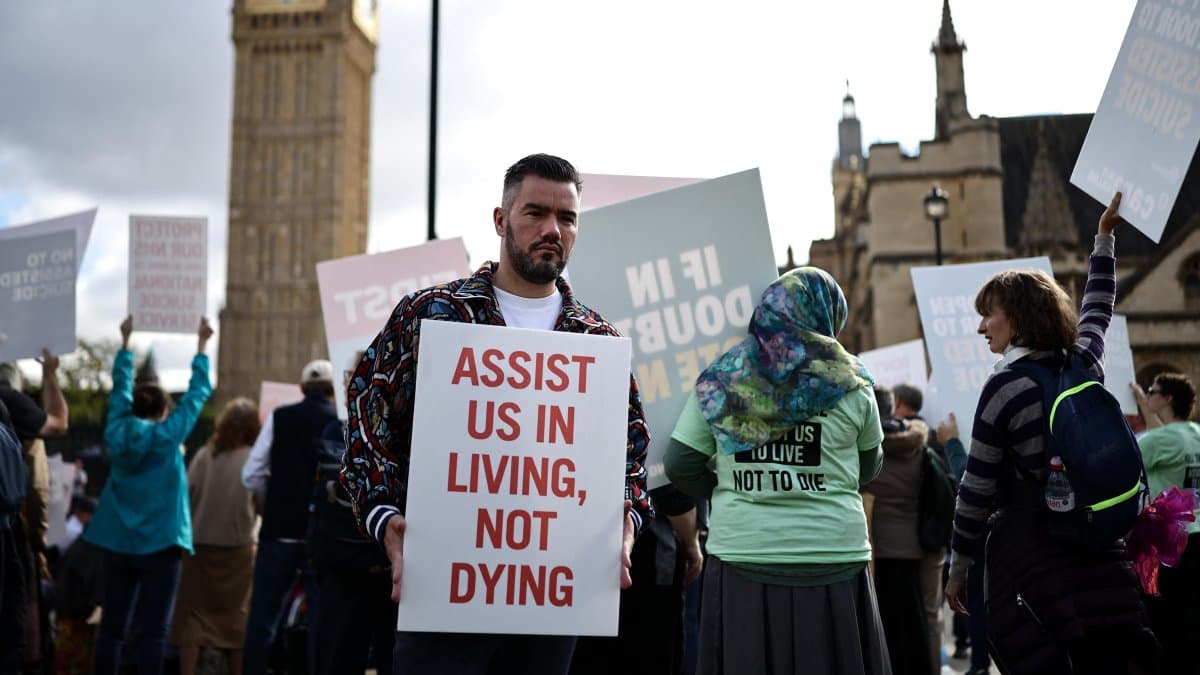
The police deployed a special operation in response to the demonstrations organized outside Parliament in support of and against the legalization of euthanasia.
After the result was announced, joy was evident among pro-life advocates, while disappointment spread among pro-euthanasia advocates, who had expected the bill to pass.
"The vulnerable deserve protection and care, not a pathway to suicide"
"After a two-year-long national debate, the country has decided to reject assisted suicide, settling the issue for a generation. Evidence from overseas shows that, had this legislation become law, countless vulnerable people nearing the end of life would have been pressured or coerced into ending their lives.
In both Westminster and Holyrood, parliamentary scrutiny and expert testimony have shown that assisted suicide simply cannot be legalized in a safe way that protects vulnerable people. As is tragically evident elsewhere, many vulnerable people die under assisted suicide and euthanasia laws.
But as this debate ends, the real fight has only just begun.”
🛠 Do you think there is an error in this article?
Recommendations







LATEST