The left is sweeping the board among voters of non-European origin in Sweden, while the right is losing ground
The Social Democrats received 38% of the votes from this group of voters, while the Left Party garnered 21% and the Greens, 11%.
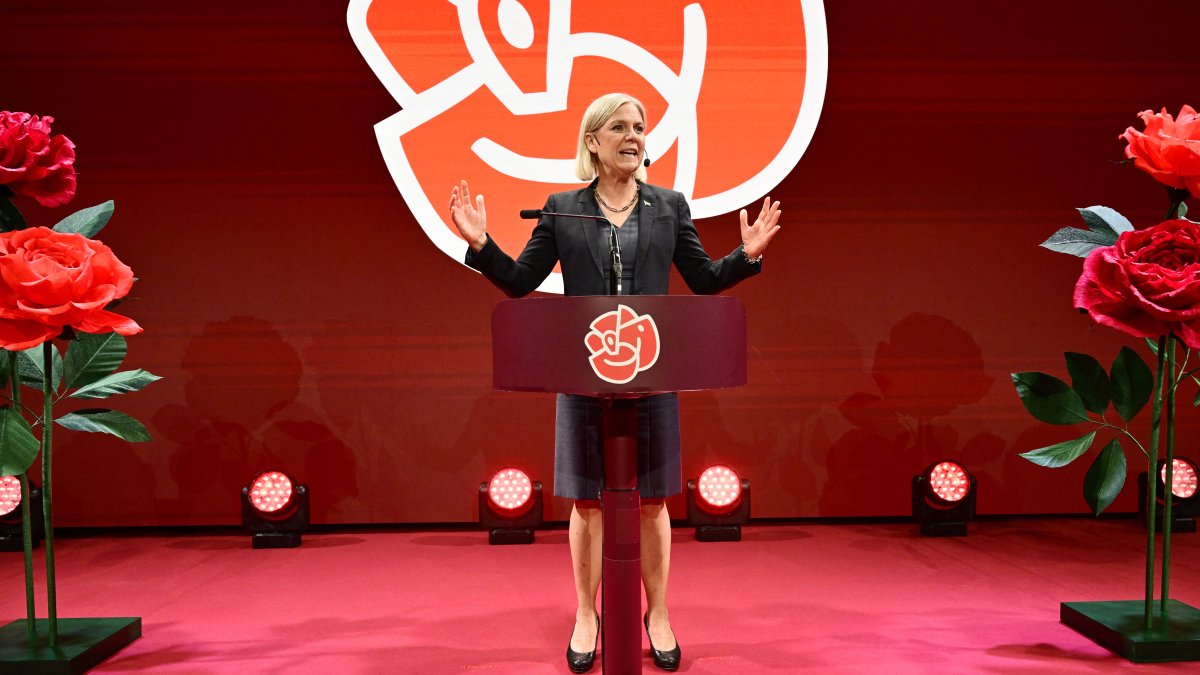
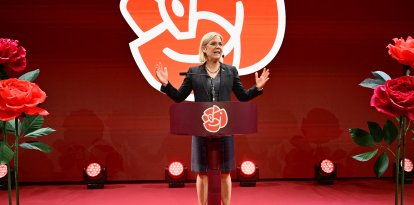
Photo of Magdalena Andersson

The left-wing coalition won 70% of the votes from voters of non-European origin in Sweden's general election, compared to 27% for the right-wing parties that make up the Tidö coalition. The data, attributed to the SVT Valu election poll, was published on September 14 by the Swedish media outlet Kvartal.
According to the breakdown, the Social Democrats received 38% of the votes from this group of voters, while the Left Party received 21% and the Greens, 11%. Together, the three parties accounted for 70% of the support, compared to 27% for the right-wing parties of the Tidö coalition.
The result comes from an election in which, with more than 90% of the votes counted, four opposition parties led by Social Democrat Magdalena Andersson maintained a three-seat lead in the 349-member Parliament, over Prime Minister Ulf Kristersson's alliance.
"For now, we are in the lead. And if that is confirmed, Sweden will have a new government," Andersson told her supporters. The 59-year-old politician was the first woman to serve as Sweden's prime minister, from 2021 to 2022.

However, her party, the Social Democrats, was also on track to post its worst result in more than a century, with 28% of the vote.
Kristersson said he would respect Andersson's attempts to form a government with the other three left-wing parties if the results were confirmed. Nevertheless, he noted that the differences between those parties—especially between the Left Party and the Center Party—would make it difficult to draft a common government platform.
Sweden Democrats Lose Support
One of the night's biggest surprises was the decline of the Sweden Democrats, who won 17.6% of the vote, compared to the 20.6% they received in 2022. This marks the party's first loss of electoral support since it entered Parliament in 2010.
Its leader, Jimmie Åkesson, acknowledged that the party had lost a few percentage points compared to the previous election, though he noted that its supporters no longer feel the same reluctance to publicly express their support.
Over the past four years, Kristersson has led a minority coalition government backed by the Sweden Democrats, who have exerted influence over the government's policies in exchange for their parliamentary support. The prime minister had promised to grant the party key cabinet positions if the right wing won the election.
The formation of the government remains uncertain
In addition, all votes undergo an automatic recount by the regional administrative boards, which determine the final result. This process usually takes a week.
The election campaign focused, to a large extent, on healthcare and measures to help households cope with the rising cost of living.
LATEST