The burrito: A hard pill to swallow for Trump and the Republican Party
The cost of living is dividing a GOP worried that high prices could take a toll on them in the midterms.
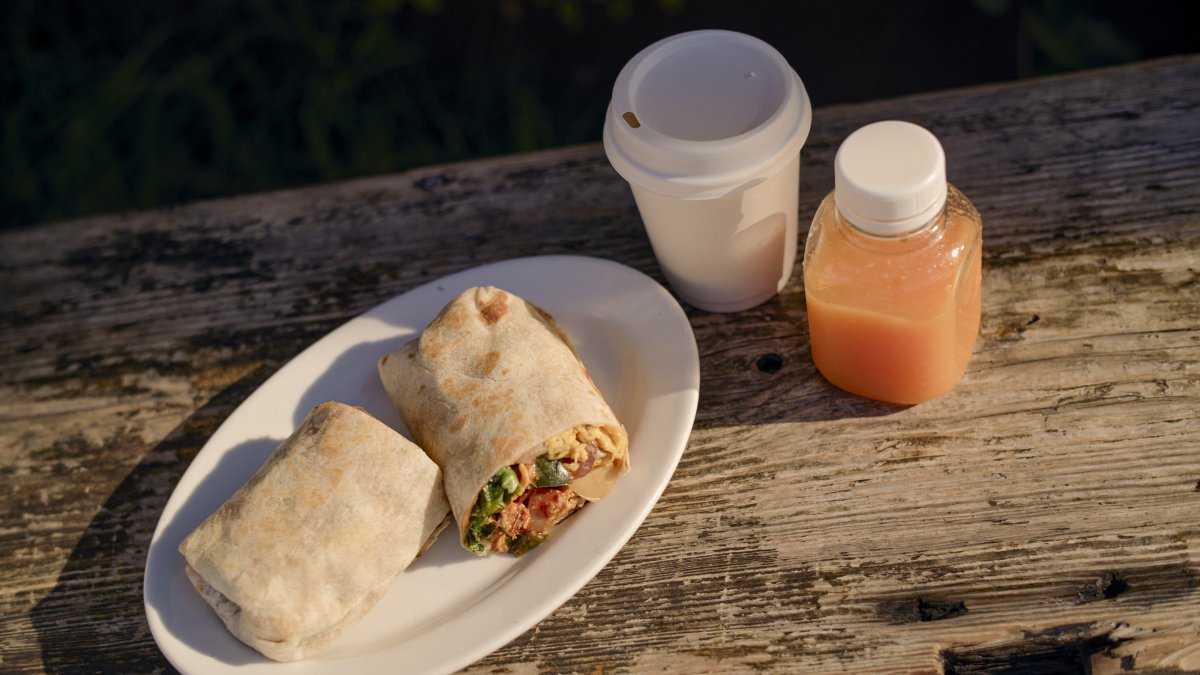
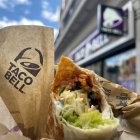
A burrito with a coffee and orange juice on a table in California
Is the burrito to Donald Trump what cake was to Marie Antoinette? The fair price of this Mexican dish has become one of the hottest political issues for the American right.
The debate is causing indigestion within the president's Republican Party, which fears that discontent over the high cost of living will take its toll in November's midterm elections.
A burrito is a wheat tortilla filled with rice, meat, beans and other ingredients, typically eaten with the hands. Many Americans consider it a hearty and affordable option.
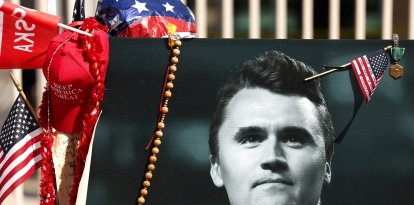
But not so much anymore, according to Andrew Kolvet, spokesperson for the conservative youth organization Turning Point USA (TPUSA).
"One of our TPUSA college students gave me his take on affordability: ‘A burrito shouldn’t cost $20.’ Yeah, a lot of this is a hangover from Covid and Biden-era inflation, but the lived experience is the same: It just feels like basic things cost too much," Kolvet said in a viral post on X this week.
In Washington, a takeout burrito cost between $6.50 and $13.50 on Friday at two popular fast-food chains, depending on the ingredients.
Some conservatives questioned that price and accused American youth of having expensive taste, while others came to their defense and warned of potential political repercussions.
Economy
'A burrito can't cost $20': Conservatives debate the cost of living
Emmanuel Alejandro Rondón
Republican Rep. Dan Crenshaw advised young people on X to "eat instant noodles," just as he did during his college days.
Marc Thiessen, a former advisor to President George W. Bush and current columnist, criticized the students for "whining." "When I graduated I lived on ramen noodles," he noted. "I didn’t whine about affordability, I worked hard so I could one day afford a better life."
This prompted a biting retort from Vice President J.D. Vance. "If you’ve ever met him in person, it’s quite obvious the man has never missed a burrito," wrote the man considered one of Trump's potential successors, alluding to the columnist's corpulence.
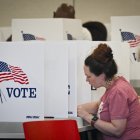
Trump reiterated this week that inflation had fallen in the United States and denied that his tariff policy had any impact on prices. However, according to a recent Marquette University poll, more than a third of those surveyed (35%) cited the cost of living as their top concern, far ahead of, for example, the war in Iran.
This debate over the burrito confirms Republicans' unease with inflation, which stood at 3.7% annually in June.
Fox News, a favorite among Republicans, even speaks of a "civil war" within the party. On one side are the advocates of a pure and simple market economy, with little inclination toward interventionist economic policy. They believe the government should let prices fluctuate freely and recommend that Americans cook at home to cut costs.
The other side believes that this ultra-liberal rhetoric could make it unappealing to voters to vote for Republican candidates in November.
They fear a sort of "Marie Antoinette effect"—she was mistakenly credited with the famous phrase "Let them eat cake!" addressed to the starving people of Paris who were demanding bread during the French Revolution. In reality, the queen of France never uttered those words, but the expression has become a symbol of the elites' disconnect from the hardships faced by the people.
Coincidentally, Health Secretary Robert F. Kennedy Jr. has just launched a cooking show in which he shares recipes that, according to him, are healthy and inexpensive. In his first episode, he presented salmon burgers served with a salad, which he estimated would cost $5 per person. However, several observers immediately questioned that estimate.
LATEST