Senate approves new package of sanctions against Russia
The measures would impose sanctions on officials, oligarchs, financial institutions, and the so-called "ghost fleet" used to circumvent restrictions on Russian crude oil exports.

Russian President Vladimir Putin

The Senate approved a new package of sanctions against Russia, by a large majority on Friday, which specifically targets the hydrocarbon industry, according to AFP.
The bill must now go to the House of Representatives, but a vote is not expected before September due to the summer legislative recess.
The measures would impose sanctions on officials, oligarchs, financial institutions, and the so-called "ghost fleet" used to circumvent restrictions on Russian crude oil exports.
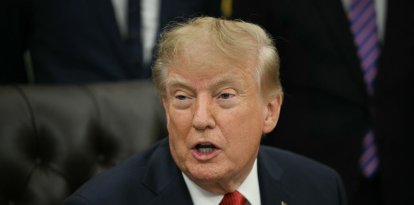
It would also allow President Donald Trump to impose tariffs of up to 500% on imports from Russia, including oil and gas.
Furthermore, they would authorize the government to impose customs duties of up to 100% on goods from major buyers of Russian hydrocarbons, including countries such as China and India.

Targeting energy revenues
Lawmakers pushing the measure say that targeting energy revenues is essential to weakening Russian President Vladimir Putin's ability to finance the war in Ukraine.
"This bill brings us closer to ending the conflict," said Republican Senator Jim Risch, chairman of the Foreign Relations Committee, as quoted by the news agency.
If it becomes law, Putin himself would be among the targets of the sanctions, along with other senior officials.
The bill was named after the late Senator Lindsey Graham, who died on July 11 after spending more than a year rallying support for the initiative.
Shortly before his death, Graham announced that he had reached an agreement with the White House on a revised version of the bill.
Democratic Senator Jeanne Shaheen, a member of the Senate Foreign Relations Committee, stated that the bill "hits Russia's energy and financial sectors very hard."
Pressure on Moscow mounts
Moscow is also facing increased pressure from Europe, after the European Union agreed last month to a new round of sanctions, albeit toned down compared to previous proposals.
LATEST