The US and Iran agree to halt attacks and meet in Qatar over the Strait of Hormuz amid an unstable ceasefire
“We decided to stop all the kinetic activity,” a senior U.S. official told Axios, using the military term for attacks and other offensive actions.
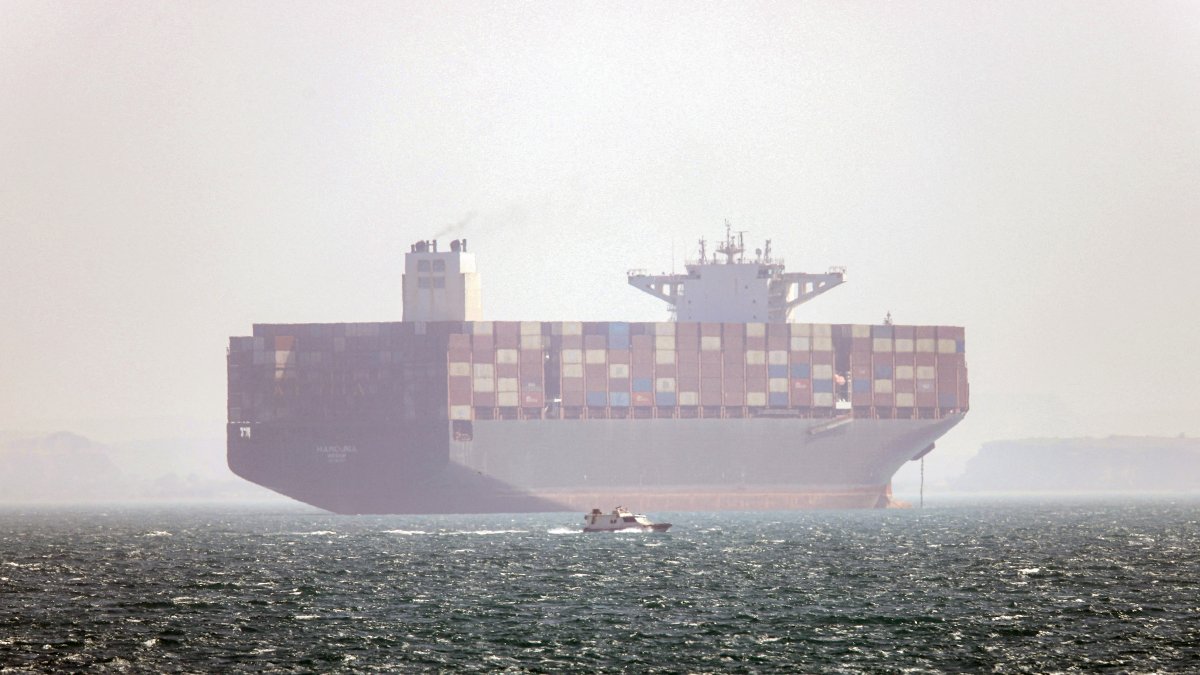
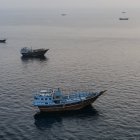
An anchored Iranian ship as a small motorboat passes nearby in the Strait of Hormuz

The United States and Iran have agreed to stop attacking each other and plan to meet this Tuesday in Doha, Qatar, to resolve their dispute over the Strait of Hormuz, one of the most strategic maritime routes on the planet. A senior U.S. official confirmed this to Axios at a time when the ceasefire between the two countries is at its most fragile.
The agreement, leaked to Axios by official sources who requested anonymity, comes as the truce is barely 11 days old and is already faltering. In recent days, new attacks have been reported from both sides, and President Donald Trump went so far as to threaten to resume the war and “finish the job.” The resumption of fighting is said to have been triggered by conflicting interpretations of the memorandum of understanding that ended the conflict, particularly its clauses regarding the Strait of Hormuz.
“We decided to stop all the kinetic activity,” the senior official said, using the military term for attacks and other offensive operations. A second source from the U.S. government stated that both sides will stand down “for now” and that “vessels can move freely,” while technical talks are expected to continue.
World
Tensions rise in the Middle East following new attacks between Iran and the US
Williams Perdomo
Under the terms of the memorandum, Iran committed to doing its best to ensure the safe passage of commercial vessels through the strait, and in exchange, the United States lifted the blockade it had imposed on Iranian ports. During negotiations held last week in Switzerland, the U.S. delegation, led by Vice President JD Vance, agreed with Tehran to establish a “hotline” between the U.S. military and the Iranian Revolutionary Guard Corps (IRGC), Iran’s military high command, to coordinate transit through the area. However, as of Saturday, that channel was still not operational, even though Iran had reiterated that ships need to coordinate their passage.
Tuesday’s meeting was initially scheduled to take place in Switzerland and was to focus on Iran’s nuclear program, according to a source familiar with the talks cited by the website itself. The escalation of tensions in recent days forced a change of venue and a shift in the agenda toward the Strait of Hormuz. Nick Stewart, head of the U.S. technical team, is expected to participate in the meeting.
LATEST