The FARC and ELN face their worst nightmare: the ‘Tiger’ joins forces with the U.S.
The relationship between Colombia and the United States within the framework of the ACCC will become the worst nightmare of narcoterrorists in Colombia.
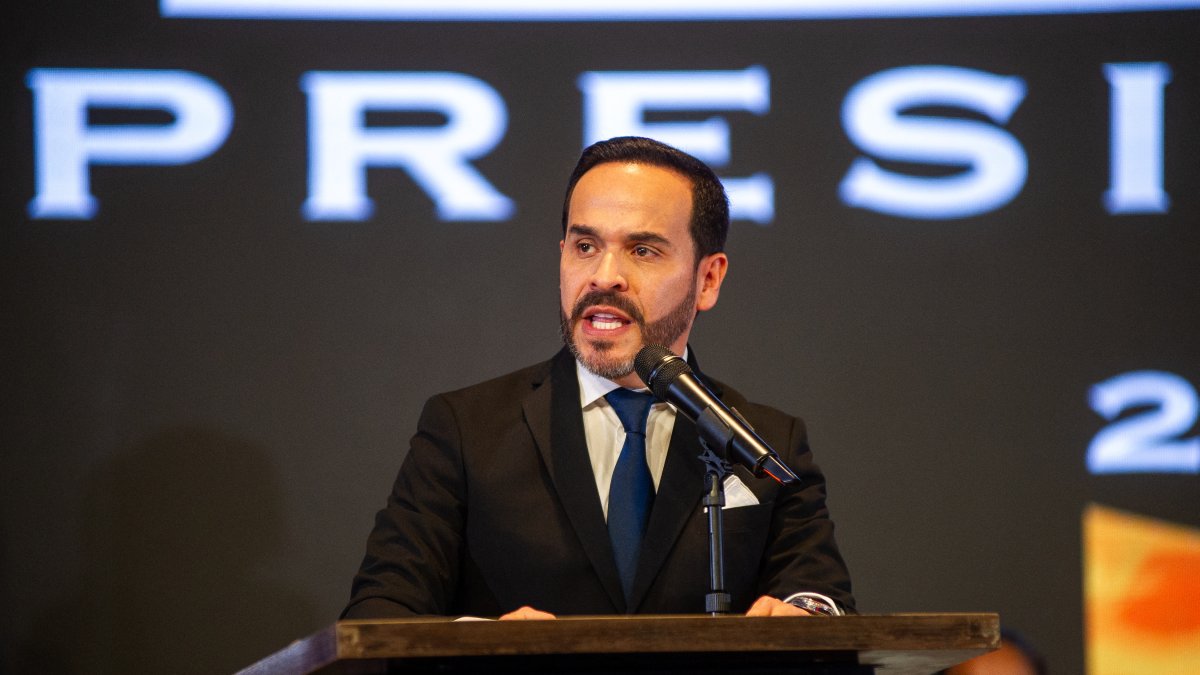
El presidente de Colombia Abelardo de la Espriella
From the jungles of Panama, U.S. Secretary of War Pete Hegseth announced a new stage in the Trump administration’s strategy toward the hemisphere, focused on greater military cooperation against drug-trafficking groups and organizations designated as terrorist organizations. Among the announcements was also the news that Colombia is joining the Shield of the Americas and could become the center of the ACCC (Americas Counter Cartel Coalition). The powerful relationship between the Colombian government and the Trump administration would become the worst enemy of the ELN and FARC narcoterrorists, organizations that have tormented the Colombian people for decades.
This cooperation is shaping up as a kind of 'Plan Colombia' on steroids and could represent a decisive blow against the narcoterrorist groups operating in Colombia. Among the benefits the South American country would gain from this new alliance with the United States are greater cooperation in imagery and satellite intelligence, radar surveillance and tracking, intercepts, training, weapons, artillery, military intelligence, and tracking the financial resources of criminal organizations.
Hegseth also said that newly inaugurated President Abelardo de la Espriella formally requested U.S. cooperation to carry out joint military operations against narcoterrorism. Colombia authorized working together with the U.S. to “destroy terrorists and terrorist networks.” During the press conference from the Jungle Operations Training Center in Panama, a journalist specifically asked the secretary whether joint attacks against groups such as the ELN and FARC could take place. Hegseth responded without hesitation that they could, stating that organizations designated as terrorists are legitimate targets for joint operations.
The secretary was unequivocal in assuring that under the Trump administration’s new policy, the bad guys will face truly serious consequences. He said that for a long time, the bad guys were allowed to act against the good guys, but that now, under the Trump administration, the situation has changed radically and the United States is willing to cooperate extensively with allied governments to destroy terrorist organizations and drug cartels.
“We’re going to bring those beautiful Chinooks and C-17s chock full of experts and supplies. And that’s what we’ve done in Venezuela. But Colombia is going to be an incredible partner,” Hegseth said. Indeed, this cooperation between the United States and Colombia will be extraordinary and has the potential to change not only Colombia’s future, but that of the entire region. As Secretary Hegseth rightly said, Colombia should be at the center of the fight against drug trafficking, among other reasons, because it is the world’s leading cocaine producer and has the largest area under coca cultivation. Under the Gustavo Petro government, coca cultivation increased to as much as 300,000 hectares, meaning a country flooded with cocaine.
Both President Donald Trump and President Abelardo De La Espriella have distinctive personalities and governing styles. Both have demonstrated that they do not give in to criticism from activists, the media, or international organizations dominated by the left, and they share a firm and combative stance toward drug trafficking and criminal organizations. In this context, cooperation between the United States and Colombia has the potential to become a turning point for the continent, not only because of its ability to weaken narcoterrorist groups such as the ELN and FARC, but also because of its intention to reduce the influence of adversarial powers of the West, such as China and Russia.
This alliance could also help consolidate a regional coalition of governments committed to defending individual freedoms, security, and the market economy, and chart a new course away from the policies associated with the so-called 21st-century socialism that for years filled the region with misery and drug trafficking.
LATEST