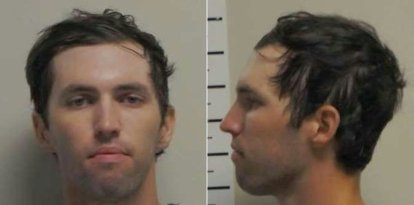
FBI captures one of its most wanted fugitives facing charges in a $547 million Medicare fraud scheme
Khalid Ahmed Satary, accused of leading one of the largest healthcare fraud schemes investigated by the Department of Justice, was located in the Middle East after nearly four years on the run.
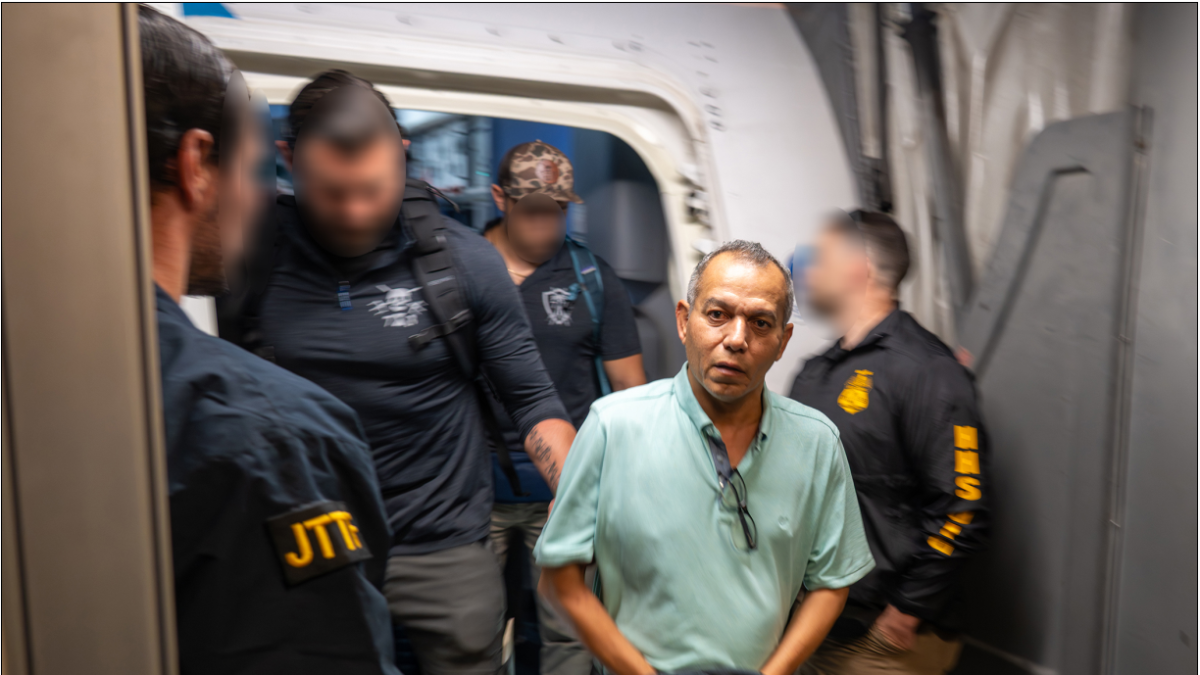
Khalid Ahmed Satary was arrested abroad after spending nearly three years on the run, according to the FBI.

One of the FBI's most wanted fugitives is now in U.S. custody. The Department of Justice (DOJ) announced the arrest of Khalid Ahmed Satary, a 54-year-old foreign national accused of leading a fraud scheme against Medicare that fraudulently billed more than $547 million through unnecessary genetic testing performed on thousands of beneficiaries, primarily seniors.
Satary made his initial court appearance in federal court in the Eastern District of Virginia after being arrested on July 20 in the Middle East and extradited to the United States, where he will face multiple federal charges related to healthcare fraud, money laundering, and corruption.
How the ring operated
According to the federal indictment, Satary ran several diagnostic laboratories that, between 2016 and 2019, billed the Medicare program for genetic tests to detect cancer that, in most cases, had no medical justification.
To fuel the scheme, the organization used massive telemarketing campaigns, telemedicine companies, and dozens of patient recruiters. In addition, it allegedly paid millions of dollars in bribes to doctors and illegal commissions to ensure a steady flow of tests billed to the federal government.
Each test could generate reimbursements ranging from $10,000 to $20,000, allowing the network to bill Medicare for more than $547 million. During the investigation, the government seized 16 bank accounts and foreclosed on properties linked to the defendant.
Three years on the run
The case also has an element typical of an international manhunt.
Satary had been formally charged in 2019 and was subsequently released on bail, despite opposition from the prosecution. Authorities maintain that he violated the conditions imposed by the court and continued to participate in new healthcare fraud schemes through laboratories based in Houston.
When he was due to appear in court again, he disappeared.
In December 2022, a federal arrest warrant was issued, and the FBI launched an international manhunt. He was finally located in the Middle East, where he was allegedly using a fake Mexican passport under a different identity to hide before being handed over to U.S. authorities.
FBI crackdown
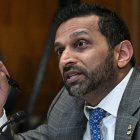
"This is yet another individual who exploited a program dedicated to helping the most vulnerable and, instead, stole from it for his own gain," said Patel, who highlighted the coordination between U.S. agencies and international partners that led to the arrest.
The charges he faces
Satary faces charges of:
- Conspiracy to commit health care fraud
- Healthcare fraud
- Wire fraud
- Conspiracy to defraud the United States
- Payment and receipt of bribes and illegal kickbacks
- Conspiracy to commit money laundering
If convicted, he could face up to 20 years in prison for the most serious offenses, in addition to additional sentences for the remaining charges.

Society
FBI arrests CIA official who stashed $40 million in gold bullion in his home
Emmanuel Alejandro Rondón
The Trump Administration's priority
The arrest comes amid the Trump Administration's new strategy to combat fraud against federal programs.
In April, the Department of Justice created the National Anti-Fraud Division, a specialized unit that works alongside the Fraud Elimination Task Force, led by Vice President JD Vance.
According to the DOJ, since 2007, healthcare fraud task forces have filed charges against more than 6,200 defendants who are responsible for fraudulently billing more than $45 billion to public programs and private insurers.
LATEST