Saudi Arabia wins its nuclear prize: Trump greenlights a 30-year deal that could let it enrich its own uranium
The most sensitive clause of the agreement provides for U.S. companies to build a uranium enrichment plant on Saudi soil, provided that a joint study by both governments determines that such a step is justified.
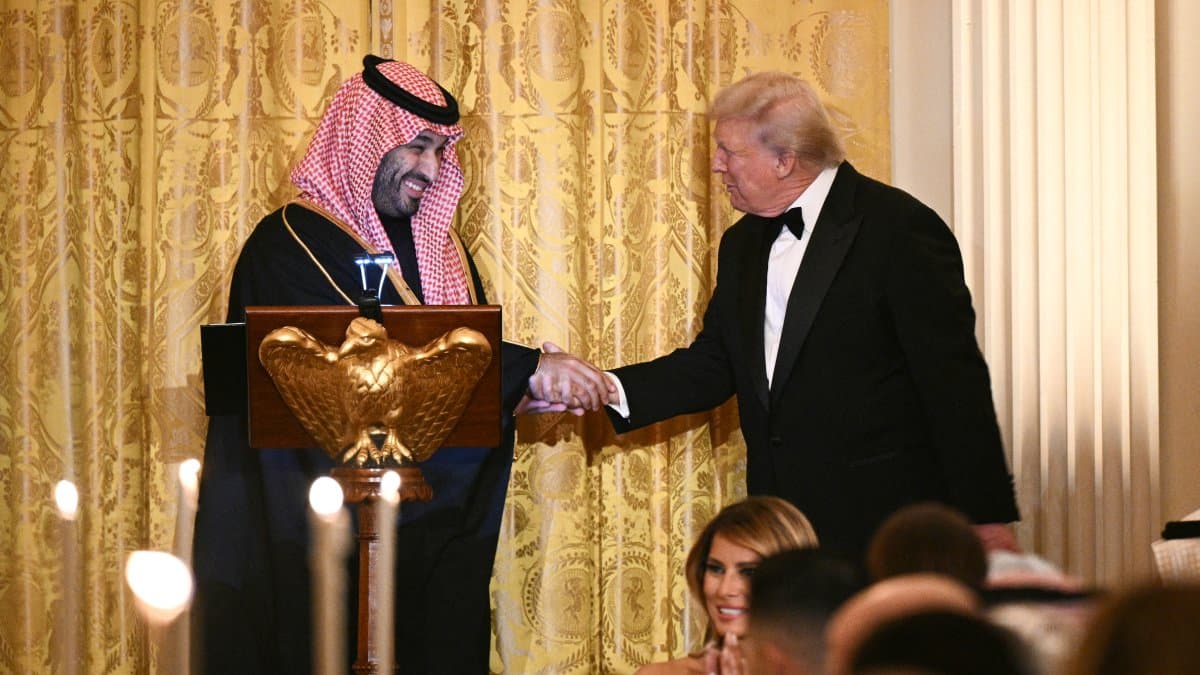

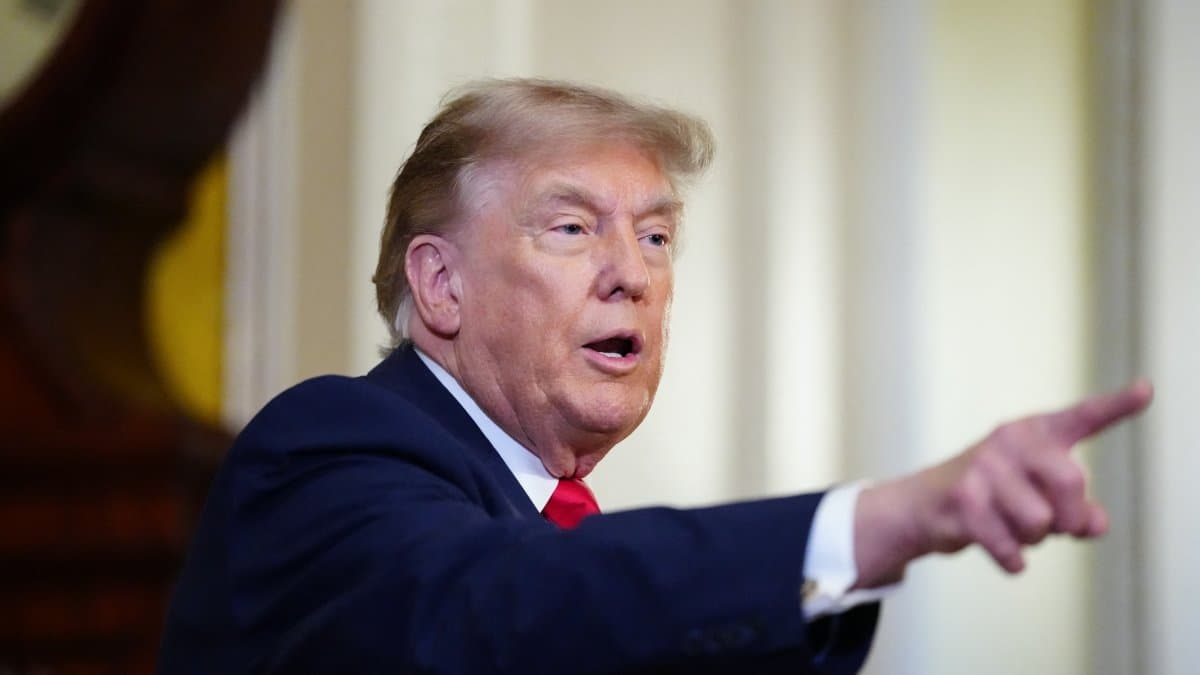
President Donald Trump gave the green light to a historic nuclear cooperation agreement with Saudi Arabia that will provide the kingdom with a civilian program and could, over time, allow it to enrich its own uranium on Saudi soil.
As exclusively reported by The Wall Street Journal, the pact—which would last 30 years and be worth tens of billions of dollars—aims to place U.S. companies at the center of developing Saudi nuclear infrastructure, excluding foreign competitors such as Russia, China, and other countries with advanced technological capabilities.
The most sensitive clause of the agreement calls for U.S. companies to build a uranium enrichment plant on Saudi soil, provided that a joint study by both governments determines that such a step is justified. Officials from the White House argue that this oversight would give Washington the ability to prevent the material from being diverted for military purposes, just as is happening with Iran, a country at war with the U.S.
The agreement must still be submitted to Congress for review, a step that is expected to be controversial among lawmakers who have historically opposed the spread of nuclear technology in the Middle East. However, blocking it will not be an easy task for opponents in Congress, since the law requires a joint resolution and a two-thirds majority to override a potential presidential veto, a threshold that is rarely reached.
Politics
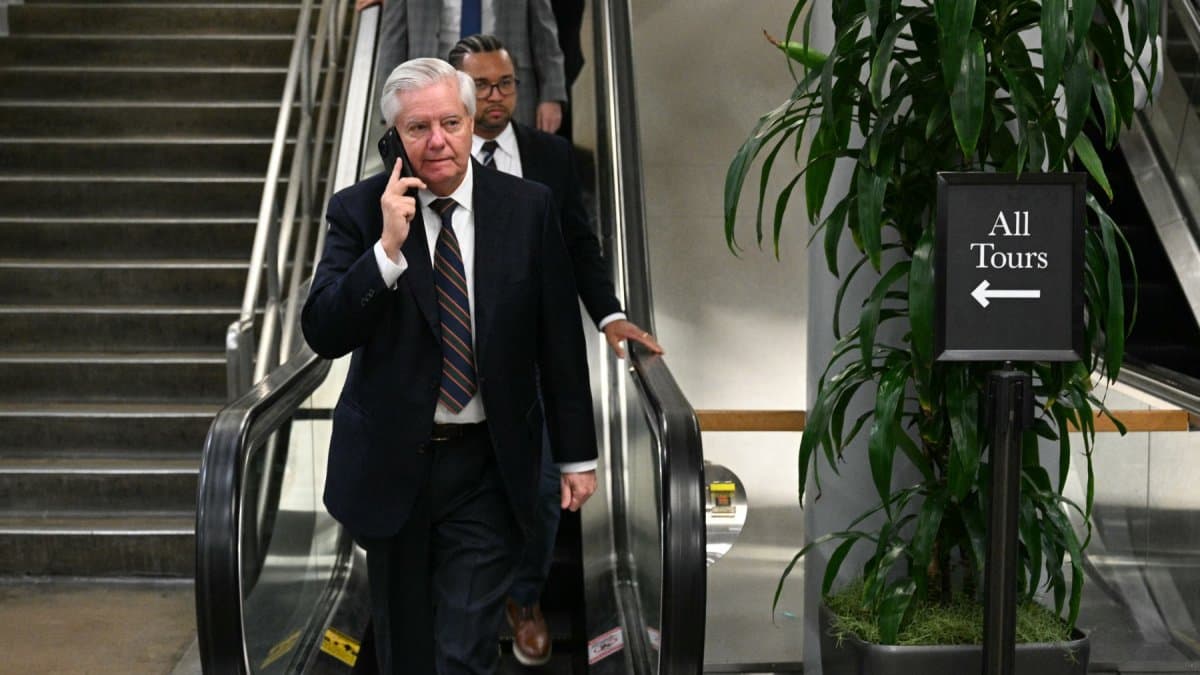
Lindsey Graham had one ultimate goal before leaving: Peace between Saudi Arabia and Israel
Emmanuel Alejandro Rondón
Trump approved the agreement last week, and it is expected to be signed this Wednesday by the Secretary of Energy, Chris Wright, alongside his Saudi counterpart, Prince Abdulaziz bin Salman. Wright had already hinted at the direction of the agreement during his first trip to the region in April 2025.
Wright himself defended the pact in a statement quoted by the WSJ: "Rest assured, these agreements uphold the highest standards of nuclear safety and nonproliferation, while relying on the world's best nuclear technology and scientists, designed right here in the United States. Thanks to President Trump, the American nuclear renaissance is underway and will deliver long-term benefits to the American and Saudi people."
However, not everyone shares Secretary Wright's optimism. Robert Einhorn, a former official at the Department of State who advised both Democratic and Republican administrations on nonproliferation issues, warned that the agreement "could increase the risks of nuclear proliferation in the Middle East and beyond" if it does not include adequate restrictions on enrichment.
Saudi Arabia maintains that its intentions are strictly peaceful and that the program aims to free up more of its oil for export rather than domestic consumption. But the crown prince Mohammed bin Salman, the kingdom's de facto leader, admitted in 2018 that if Iran were to develop a nuclear weapon, Saudi Arabia would do the same.
This history fuels the skepticism of analysts such as Henry Sokolski, director of the Nonproliferation Policy Education Center, who warned of a potentially dangerous outcome: "Whither goes Saudi Arabia, so goes the United Arab Emirates, Turkey and Egypt. The idea that this will have a happy ending is delusional."
Unlike the Emirates, which did accept the so-called "gold standard"—the commitment never to enrich its own uranium or reprocess spent nuclear fuel—Riyadh rejected that condition. It also ruled out submitting to the IAEA Additional Protocol, leaving oversight of its facilities to a parallel inspection mechanism negotiated bilaterally with Washington, to monitor the facilities.
The move also marks a shift from the policy of former President Joe Biden, who made any nuclear cooperation with Riyadh contingent on the normalization of relations with Israel. This process has stalled since the Hamas attack in October 2023. Trump, on the other hand, does not require that step as a condition.
🛠 Do you think there is an error in this article?
Recommendations
LATEST