The high cost of war with Iran: Hegseth estimates $37.5 billion in expenses
The figure comes amid a war that has intensified in recent days, while diplomacy has yet to succeed in curbing the conflict.
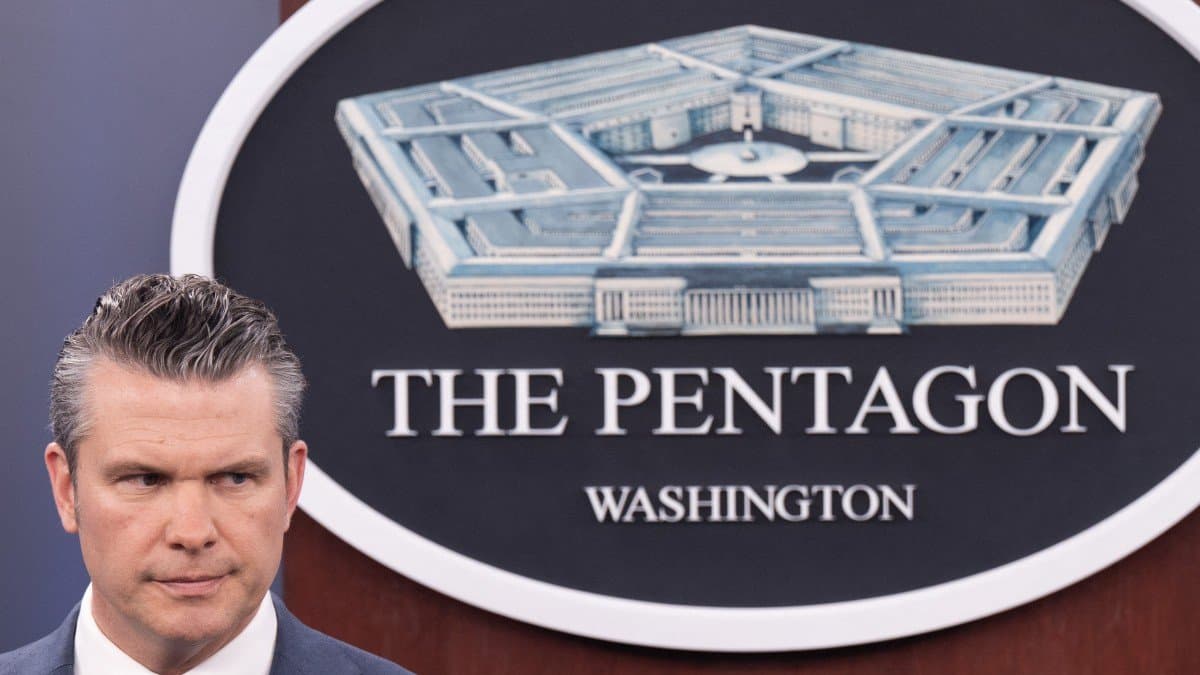

Secretary of War Pete Hegseth put a specific figure on the conflict with the Iranian regime on Tuesday: $37.5 billion, about $9 billion more than the Pentagon's latest official estimate.
The figure came to light during a hearing before the Senate, where Hegseth explained that the figure covers expenses incurred from the start of the war on February 28 through the present, as well as projections for additional costs through early September. The estimate includes, among other items, operations, maintenance, and military salaries.
The increase is far from negligible. Just a week ago, the nominee for Pentagon comptroller, Jules Hurst, had defended a figure of $29 billion before Congress, excluding damage to military facilities, which largely coincided with an independent estimate by the Center for Strategic and International Studies (CSIS), which in June put the total cost at around $40 billion.
The figure comes amid a war that has intensified in recent days, while diplomacy has yet to succeed in curbing the conflict: three U.S. service members were recently killed in Iranian attacks, two of them in a bombing of a base in Jordan and another while defusing a downed drone in Iraq.
World
The Pentagon reveals the identities of the two soldiers killed in the Iranian attack in Jordan
Emmanuel Alejandro Rondón
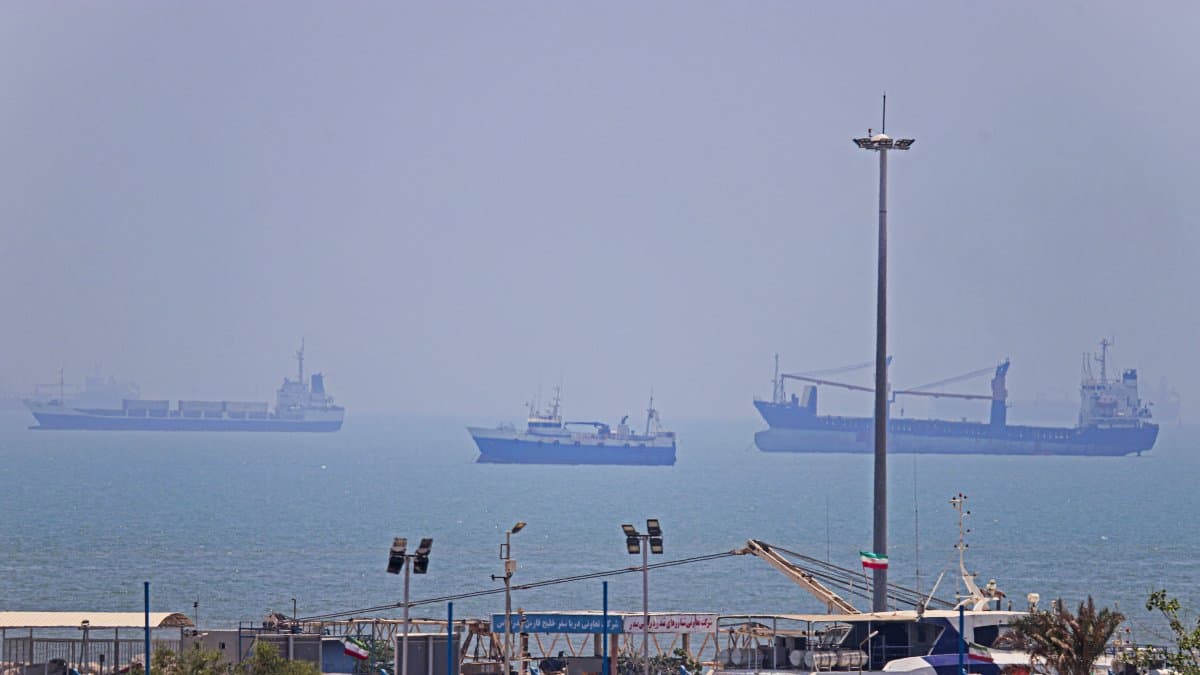
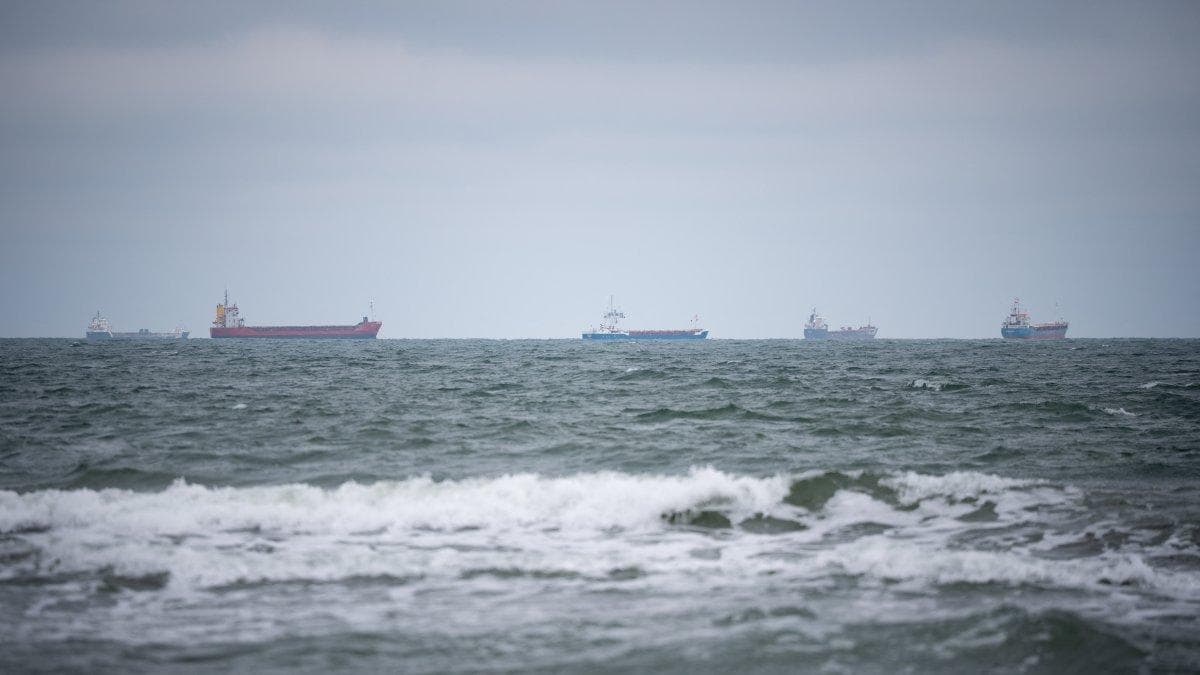
However, money wasn't the only uncomfortable topic during the hearing. According to a report by The Wall Street Journal, senators—including several Republicans—pressed Hegseth and General Dan Caine, chairman of the Joint Chiefs of Staff, on the strategy for reopening the Strait of Hormuz, which Iran effectively blocked after it attacked commercial vessels. In response to Democrats' insistence that the strait was open before the conflict, Caine bluntly acknowledged that reopening "would be a political decision" and that "Iran will continue to be a challenge moving forward."
The lack of forceful responses exhausted even the patience of the Republicans themselves, the WSJ reported. Senator John Kennedy of Louisiana ended up rebuking them: "Guys! We need straight answers."
Hegseth used the hearing to call for an additional emergency allocation of about $67 billion—as part of a total request to Congress of $87.6 billion, which includes disaster relief and agricultural funding—in addition to the Pentagon's existing annual budget of 1.5 trillion. He warned that, without that money, he would have to cut back on ongoing military training.
The questions were not long in coming. In addition to the financial issue, Democrats confronted Hegseth with his own words from April, when he had described the offensive against Iran as a "historic and overwhelming victory in the battlefield" for the U.S. over the Iranian military, which he claimed would be "decimated Iran's military and rendered it combat ineffective for years to come." Senator Jon Ossoff of Georgia asked him whether those statements were accurate, and Senator Kirsten Gillibrand of New York pointed out that there is public confusion due to contradictory statements from the Pentagon about whether the war is nearing an end.
In the background, the legal battle continues over whether the White House has full authority to continue the conflict without congressional approval—a position Hegseth supported despite acknowledging that there is "a longstanding legal debate" on the issue. The discussion formally began after the administration notified Congress, in a letter dated July 10, that it had resumed hostilities with Iran on July 7, which triggered a 60-day period to seek legislative authorization.
🛠 Do you think there is an error in this article?
Recommendations


LATEST