House approves budget reconciliation bill to fund $95 billion package for military campaign against Iran
The resolution passed by a narrow margin of 216-214 and must now be considered by the Senate, where it can be approved by a simple majority.


The House of Representatives passed a budget resolution that sets in motion budget reconciliation, a legislative mechanism that will allow Republicans to attempt to pass a $95 billion package by a simple majority in the Senate, without having to overcome a filibuster. The package will help fund the U.S. military campaign in Iran.
The resolution passed by a narrow margin of 216 votes to 214 and must now be debated by the Senate. Three Republicans joined the Democrats in voting against the measure: Warren Davidson, Thomas Massie, and Kevin Kiley, an independent who sits with the Republican caucus.
"Republicans support our troops, our farmers, and election security. We’re the only team in Washington that does. Many of you doubted our success," said Mike Johnson, Speaker of the House of Representatives, after the vote.
World
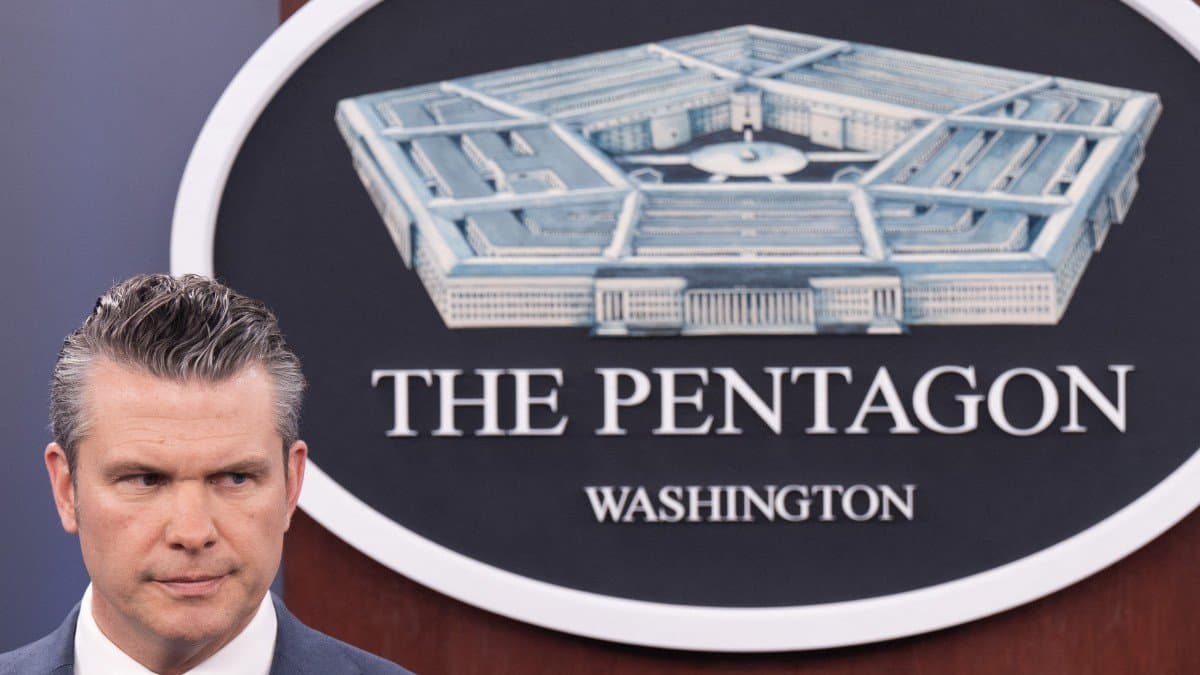
The high cost of war with Iran: Hegseth estimates $37.5 billion in expenses
Emmanuel Alejandro Rondón
World
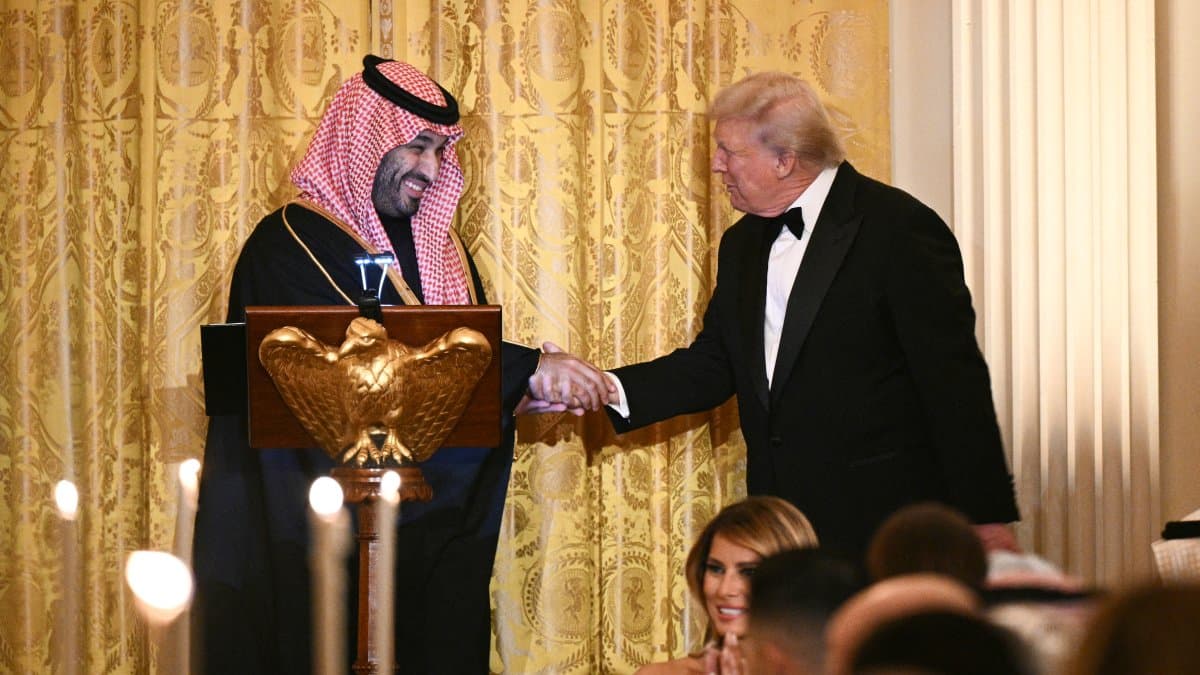
Saudi Arabia wins its nuclear prize: Trump greenlights a 30-year deal that could let it enrich its own uranium
Emmanuel Alejandro Rondón
As for the package's contents, it includes $73 billion for defense and national security, funds primarily earmarked to finance the U.S. military campaign against Iran. Of that total, approximately $60 billion would go to the Pentagon and the remainder to other national security needs. In addition, it includes $12 billion to assist farmers and $10 billion to implement new election security measures, including the requirement to present documentary proof of citizenship to register to vote, in line with the SAVE Act promoted by the Trump Administration.
Jodey Arrington, chairman of the House Budget Committee, described the initiative as "supporting our troops in their time of need." "Just base-line battlefield readiness. Bullets and bombs to finish the job, and to come home safely and victoriously," he added.
What Is budget reconciliation?
According to the Byrd Rule, named after Senator Robert Byrd of West Virginia, it may only be used for bills that directly affect the budget in the following ways:
• Increases or decreases federal government spending
• Increases or decreases federal government revenue
• Modifies the public debt ceiling
🛠 Do you think there is an error in this article?
Recommendations







LATEST