






ANALYSIS
Continuous chaos: Tourism plummets in Cuba in first quarter of 2026
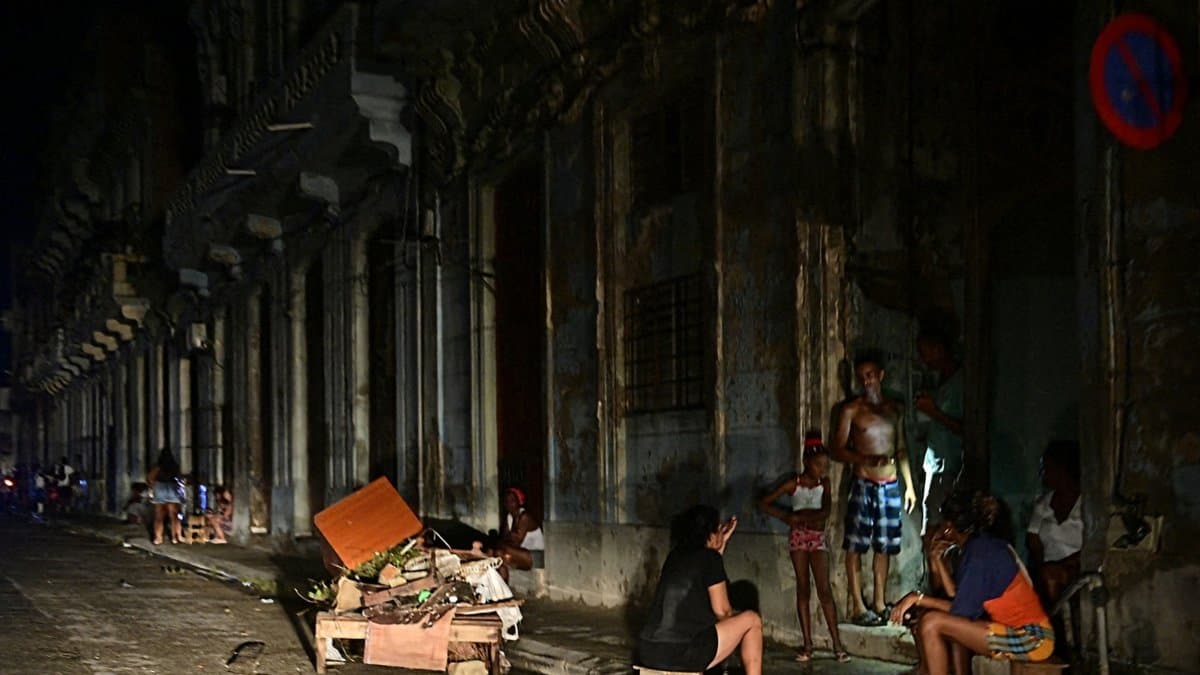
The suspension of international flights, constant blackouts, an almost chronic shortage of basic necessities and the considerable decrease in fuel that has reached the island in recent months have exacerbated the crisis the country is experiencing.


Chaos continues in the largest of the Caribbean Antilles. Official numbers confirm what is an overwhelming reality for all to see: tourist arrivals to Cuba fell in the first quarter of the year, again.
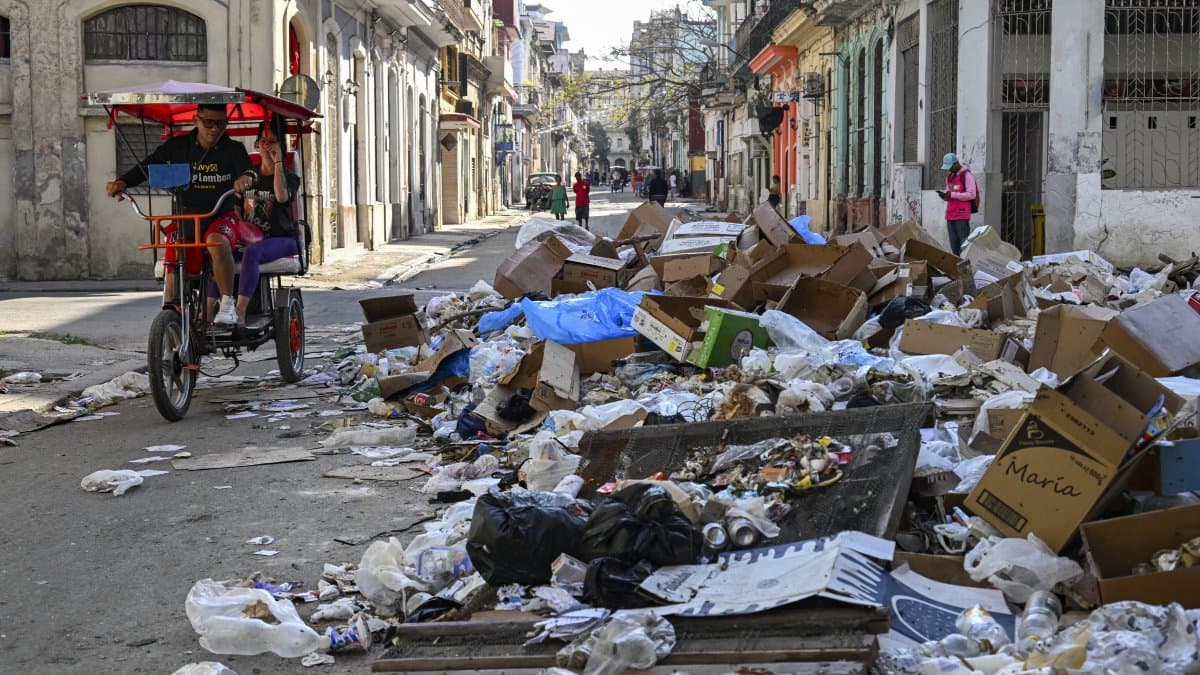
The suspension of international flights, constant blackouts, an almost chronic shortage of basic necessities and the considerable decrease in fuel that has reached the island in recent months have exacerbated the crisis the country is experiencing. It is one of the worst, if not the most terrible, in its recent history.
Between January and March the island received 298,057 foreign visitors, 48% less than in the same period of 2025, according to figures released by the official National Statistics and Information Office.
The drop was drastic in March, when only 35,561 tourists arrived in the country, one of the lowest levels in recent years, analyzed AFP on Monday.
The key activity of the Cuban economy in decline
The setback aggravates the crisis of a key activity for the Cuban economy, and therefore for the subsistence of the Castro regime led by Miguel Díaz-Canel.
Tourism is the second largest source of foreign exchange earnings and as of January employed more than 300,000 people on the island of 9.6 million inhabitants, according to numbers distributed by Cuban agencies. In reality, it is estimated that more than 1 million inhabitants could be unofficially linked to activities dependent on foreign visitors to the country.
The fall reached all the main issuing markets. Canada, historically the largest supplier of tourists, recorded 124,794 visitors in the quarter, down 54.2% from a year earlier.
Arrivals from Russia dropped 37.5%, while those from the Cuban community living abroad, mostly based in the United States, fell 42.8%.

A crisis mounting for years
The deterioration of the sector has been prolonged. Between 2019 and 2025, Cuba's tourism revenue fell by nearly 70%, according to estimates based on official figures, after the boom generated by the diplomatic thaw with the United States and the subsequent impact of the COVID-19 pandemic and the tightening of American sanctions.
Even before the energy blockade imposed by Washington in January this year, after which Cuba has only received one shipment of Russian fuel, tourism had fallen by 17.8%, with setbacks in all historical markets.
In 2025, arrivals from Canada fell by 12.4%, those from Cubans living abroad by 22.6%, from Russia by 29% and from Germany by 50.5%.
Which airlines have suspended flights to Cuba?
Among the first to cancel operations were Canadian airlines such as Air Canada, Air Transat and WestJet, which stopped flying in February after warnings that they would not be able to refuel at Cuban airports. Russian airlines such as Rossiya and Nordwind also joined in, suspending routes after refueling difficulties, in some cases limiting themselves to repatriation flights.
Over the months, the list expanded with airlines from different regions. Suspensions or cancellations are reported from companies such as Turkish Airlines, Air France, LATAM Peru, Sunwing and World2Fly (the latter reducing frequencies), in addition to adjustments by American and European airlines.
More recently, Iberia also announced the temporary suspension of its direct flights from Madrid as of June 2026, with possible resumption in November if the situation improves. Taken together, these decisions reflect a structural crisis in Cuba's energy supply that has directly impacted air transport and international tourism.
🛠 Do you think there is an error in this article?
Recommendations








LATEST