Andy Burnham becomes the new prime minister of the United Kingdom
Keir Starmer left Downing Street on Monday morning, insisting in his farewell speech that his two years in office had made Britain a better place.
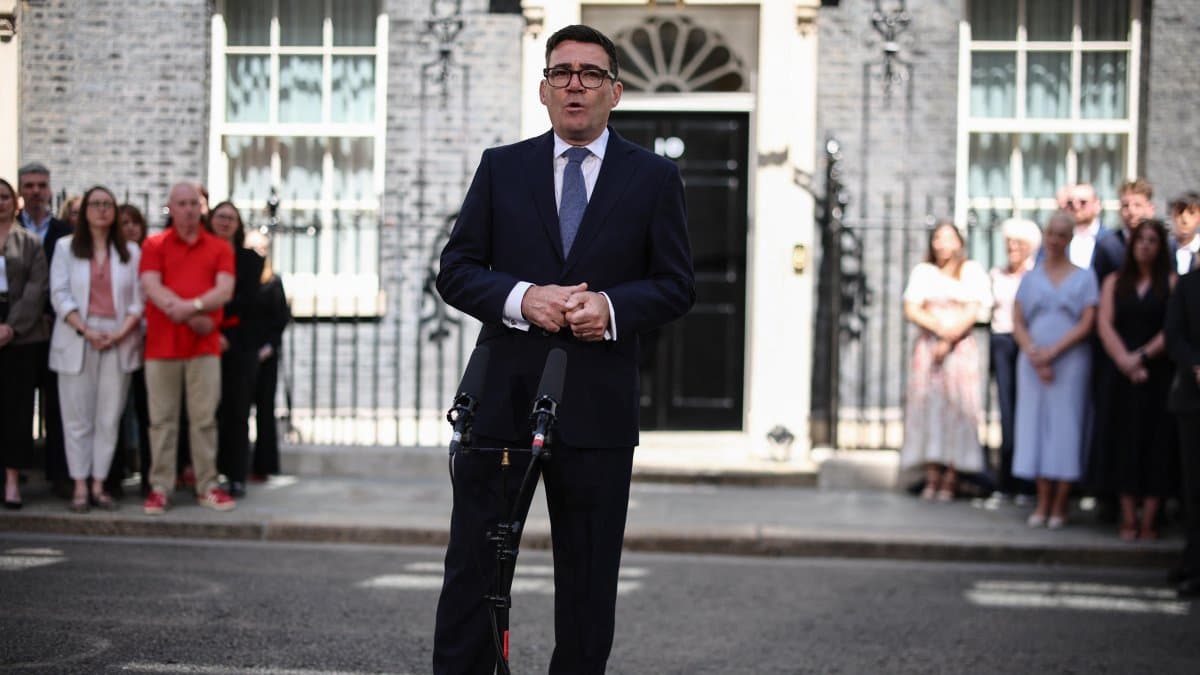

Andy Burnham became British prime minister on Monday after meeting with King Charles III at Buckingham Palace, and he plans to outline his vision for the country after succeeding Keir Starmer.
Starmer left Downing Street on Monday morning, insisting in his farewell speech that his two years in office had made Britain a better place.
The monarch met with Starmer to accept his resignation, and Burnham arrived shortly afterward for the formal procedure in which the king asked him to form the next government, to which he agreed.
The 56-year-old politician is the sixth prime minister to take office at Downing Street in the last 10 years.
"I am confident that Britain is now stronger and fairer than it was two years ago," Starmer told reporters in his farewell speech outside his central London office.
"I go with good grace, I go with a smile, and I go proud of everything that we have achieved," he added.
Burnham will face a challenging agenda and little time to make his mark.
In an interview with The Times published late Sunday, Burnham said he wanted to put an end to a decade of political turmoil.
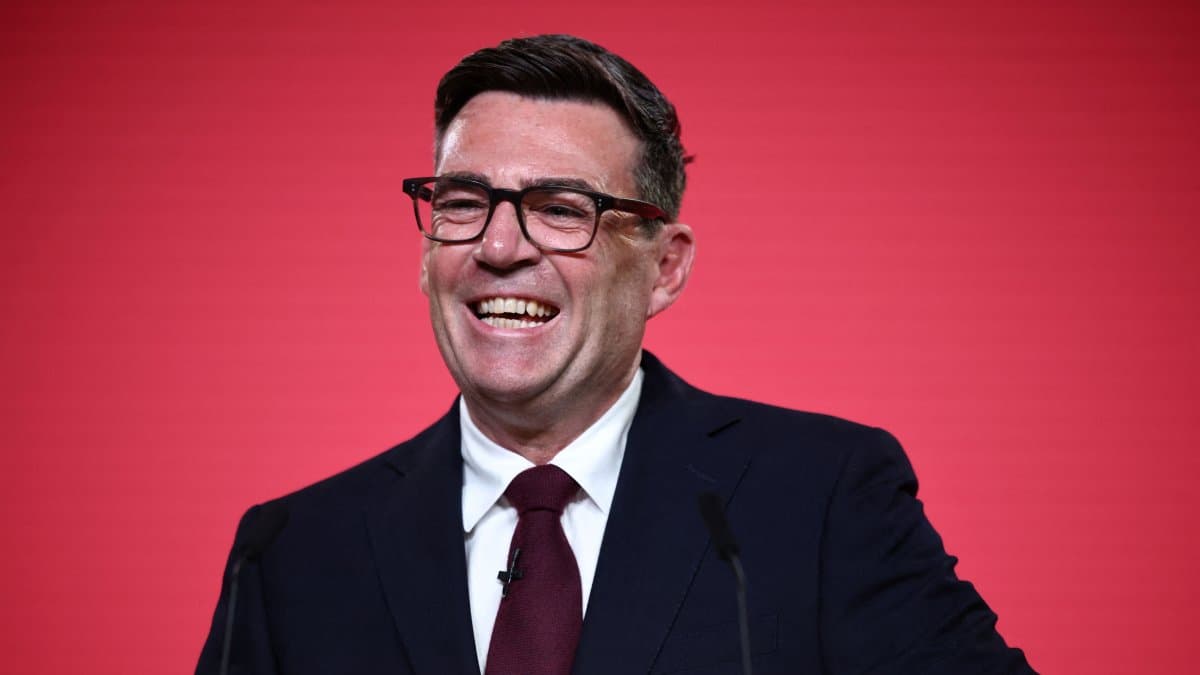
In his first speech, Burnham will outline "priorities for restoring confidence in government and giving Britain more breathing room" amid the cost-of-living crisis, according to his team.
He is also expected to address issues such as promoting growth and decentralizing power to regional communities.
He is also likely to announce his senior cabinet appointments on Monday, and all eyes will be on who will replace Rachel Reeves as Chancellor of the Exchequer.
The former mayor of Greater Manchester, nicknamed the King of the North, was chosen by the Labour Party following Starmer's resignation last month, as MPs view him as the party's best chance to curb Nigel Farage's Reform UK party.
Among the most pressing challenges for Burnham are a sluggish economy, the government's high borrowing costs, rising social welfare spending, and the arrival of illegal immigrants in small boats, a factor that has boosted support for Reform.
Burnham told The Times that he would adopt a "different approach to public spending and managing the economy, one more focused on early investment, early intervention, preparing people for success, and paying far less for failure."
Starmer led the Labour Party to power in July 2024 in a landslide election victory after 14 years of Conservative rule.
A race against time
But Burnham, who returned to Parliament just four weeks ago, has little room to maneuver amid slow economic growth, high public debt, and strict fiscal rules that require him to balance public spending with tax revenue.
Burnham served as a member of Parliament from 2001 to 2017, and held ministerial positions in the governments of Tony Blair and Gordon Brown.
But he has only three years to make a difference, as the Reform Party leads the polls ahead of the next general election, scheduled for 2029.
🛠 Do you think there is an error in this article?
Recommendations

LATEST