Maximum pressure against Cuba: the United States extends sanctions against the regime's leadership and intelligence apparatus
OFAC's action directly hits Castroism's social control and espionage structures.
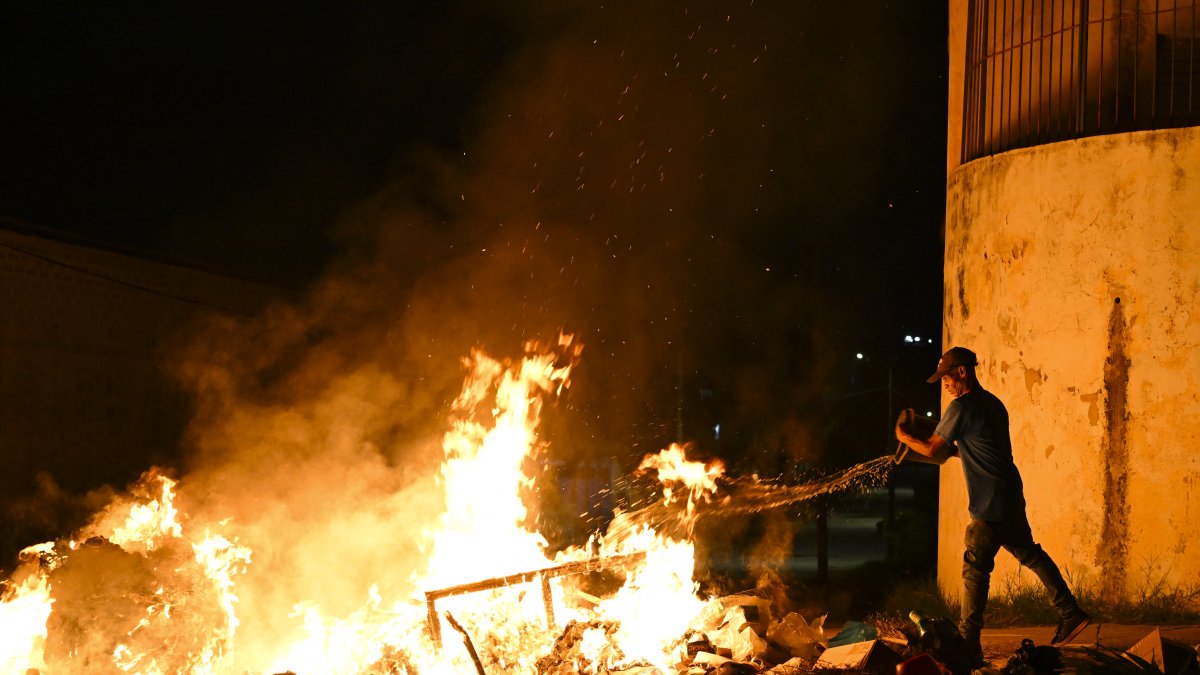
Protests in Cuba, in mid May, due to the lack of electricity in the country.

The United States government has intensified its strategy of economic and political pressure against the communist dictatorship in Cuba, announcing a new battery of sanctions aimed explicitly at eight high-ranking officials and three key entities in the police, political and intelligence sectors of the regime in Havana.
The measure represents a forceful step in the White House's maximum pressure campaign to dismantle the financial and operational support of the island's state apparatus.
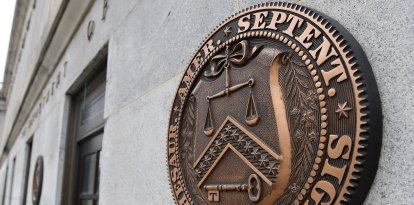
The Office of Foreign Assets Control (OFAC) incorporated prominent figures of the Cuban nomenklatura to its blacklist. Among those sanctioned are the Minister of Communications, Mayra Arevich Marín, and the Minister of Energy and Mines, Vicente de la O Levy.
The list of those penalized also includes Juan Esteban Lazo Hernández, president of the National Assembly of People's Power; Óscar Alejandro Callejas Valcarce, director of the Police; and Roberto Morales Ojeda, secretary of Organization of the Central Committee of the Communist Party.
OFAC's action directly hits the structures of social control and espionage of Castroism. The entities included in the restrictive list are the National Revolutionary Police (PNR), the Ministry of the Interior (MinInt) and the Intelligence Directorate, historically known as G2, considered the main arm of espionage and operations of the dictatorship abroad.
Executive Order 14404, signed by President Donald Trump earlier this month, applies to all those designated. This presidential decree focuses on prosecuting those responsible for domestic repression and those who represent direct threats against U.S. national security and foreign policy.
In practical terms, the measure imposes an immediate freeze on any assets under U.S. jurisdiction and prohibits the conduct of commercial or financial transactions with U.S. citizens or companies.
"For more than sixty years, the Cuban regime has prioritized its communist ideology and personal enrichment over the well-being of its own citizens,while allowing the exploitation of Cuba for military, terrorist and foreign intelligence operations," the State Department statement said.
"The United States will continue to take steps to counter the Cuban regime, those who seek to advance its goals and those abroad who allow elites to take advantage while the Cuban people suffer," it adds.
This offensive constitutes the second restrictive package implemented in less than two weeks, after the White House blocked the military conglomerate GAESA, the entity that manages the most lucrative sectors of the island economy under the control of the armed forces. Secretary of State Marco Rubio, who is responsible for conducting policy toward the region, ratified the strategic scope of the provisions.
"These sanctions represent one more step in the Trump Administration's comprehensive campaign to respond to the urgent national security threats posed by the Cuban communist regime and to hold both the regime and those who provide material support to it accountable," Rubio said.
The head of U.S. diplomacy emphasized that "those who align themselves with the regime, such as the people designated this Monday, are responsible for the suffering of the Cuban people, the failure of the Cuban economy and the exploitation of Cuba," also anticipating new actions in the short term.
Unfinished business and force diplomacy in the Caribbean
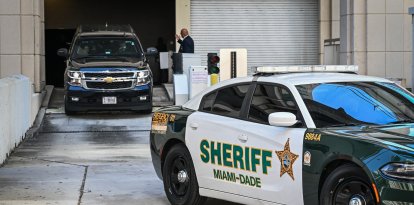
The siege on Havana takes on a historic judicial dimension. The publication of these sanctions coincides with preparations by the U.S. justice system to file formal charges against Raul Castro, 94.
The criminal prosecution is based on his role as defense minister during the 1996 shoot-down of two civilian planes from the anti-Castro Brothers to the Rescue organization, executed by Cuban military fighter jets over international waters.
Economic and judicial pressure is complemented by strong intelligence activity on the ground. The director of the CIA, John Ratcliffe, made a visit to Havanato meet with the highest authorities of the police and military security apparatus that today appear on the sanctions list.
During the meetings, Ratcliffe conveyed a firm position: Washington remains willing to provide assistance in the face of the severe structural crisis on the island, provided that the regime implements urgent substantive changes.
World
U.S. prepares indictment against former Cuban dictator Raul Castro for shooting down civilian airliners in 1996
Emmanuel Alejandro Rondón

Politics
Nick Shirley to tens of thousands in London: 'The ideas of freedom of speech are not dangerous'
Carlos Dominguez
LATEST