Daniel Ortega officially marks the end of democracy in Nicaragua: He announces the end of elections
The Sandinista dictator stated that he will push for new laws to prevent the opposition from returning to power and to reinforce the absolute control he exercises alongside Rosario Murillo, in a new step toward consolidating a regime without political competition.
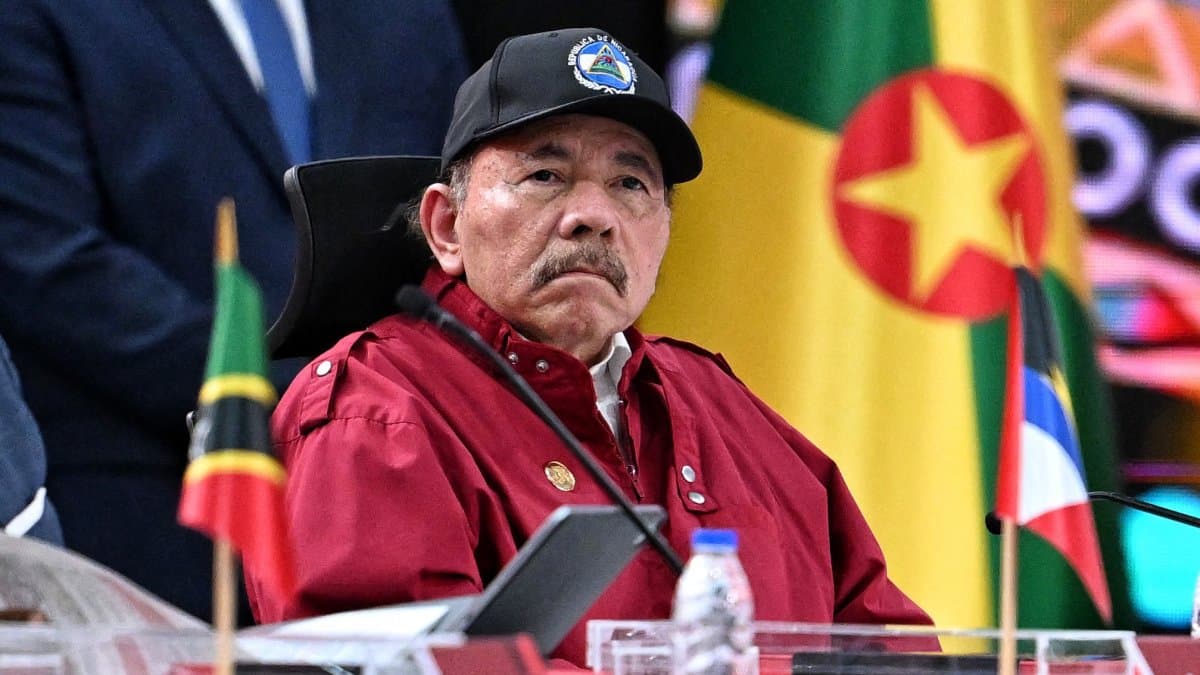

Nicaragua's dictator, Daniel Ortega, stated that there "will be no more elections" in the country, a declaration that constitutes an explicit acknowledgment of the closure of any democratic avenue for a change in power and marks a further hardening of the Sandinista regime.
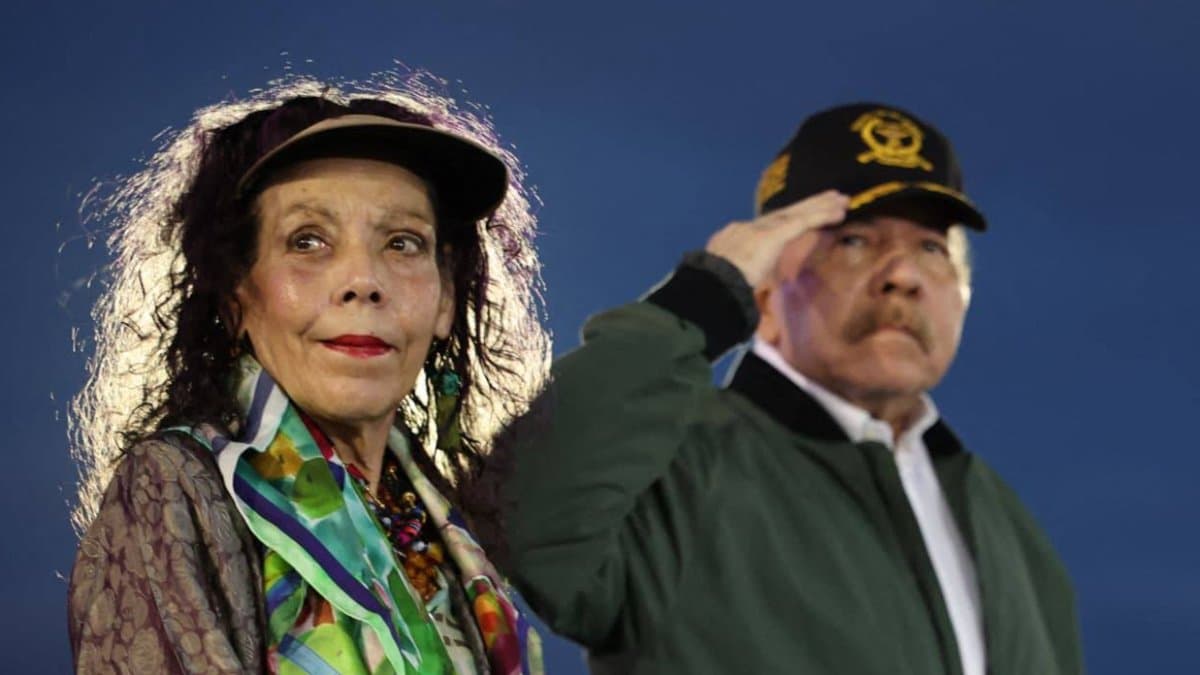
During the ceremony marking the 47th anniversary of the Sandinista Revolution's victory, held in Managua, Ortega asserted that the opposition will never again govern Nicaragua through the ballot box.
"Let them forget it, there will be no more elections here so that they can't try to seize the government and seize power," he declared before thousands of supporters.
This comes precisely against a backdrop of growing concentration of power and following a series of constitutional reforms that have eliminated the state's main institutional checks and balances.
Announces new laws to block the opposition
Ortega went beyond political rhetoric and announced that he will work with the National Assembly, controlled by the ruling party, to pass new laws that prevent any attempt by the opposition to reorganize.
As he explained, the intention is to erect a legal "wall" against those he describes as "coup plotters" and "traitors."
"We are going to work with the National Assembly (...) because we must enact laws that put up a wall, a barrier against the coup plotters and the traitors," he stated.
The president also reiterated his anti-U.S. rhetoric, accusing Washington of financing his political opponents.
"No matter how much money the Yankees give them, they won't be able to take over the executive branch," he said, before concluding: "The days when parties backed by the Yankees would return to power are over. Never, never, never."
A constitutional reform that consolidated absolute power
These statements also come just a few months after the entry into force, in February 2025, of a far-reaching constitutional reform that transformed Nicaragua's political system.
Among the main changes, the reform:
- Effectively eliminated the separation of powers.
- Extended the presidential term from five to six years.
- Elevated Rosario Murillo from vice president to co-president, consolidating a model of shared power within the ruling family.
As a result of this reform, the general elections initially scheduled for 2026 were rescheduled for November 2027. However, Ortega's statements now cast doubt even on whether elections involving the opposition will take place at all.
Two decades of concentrated power
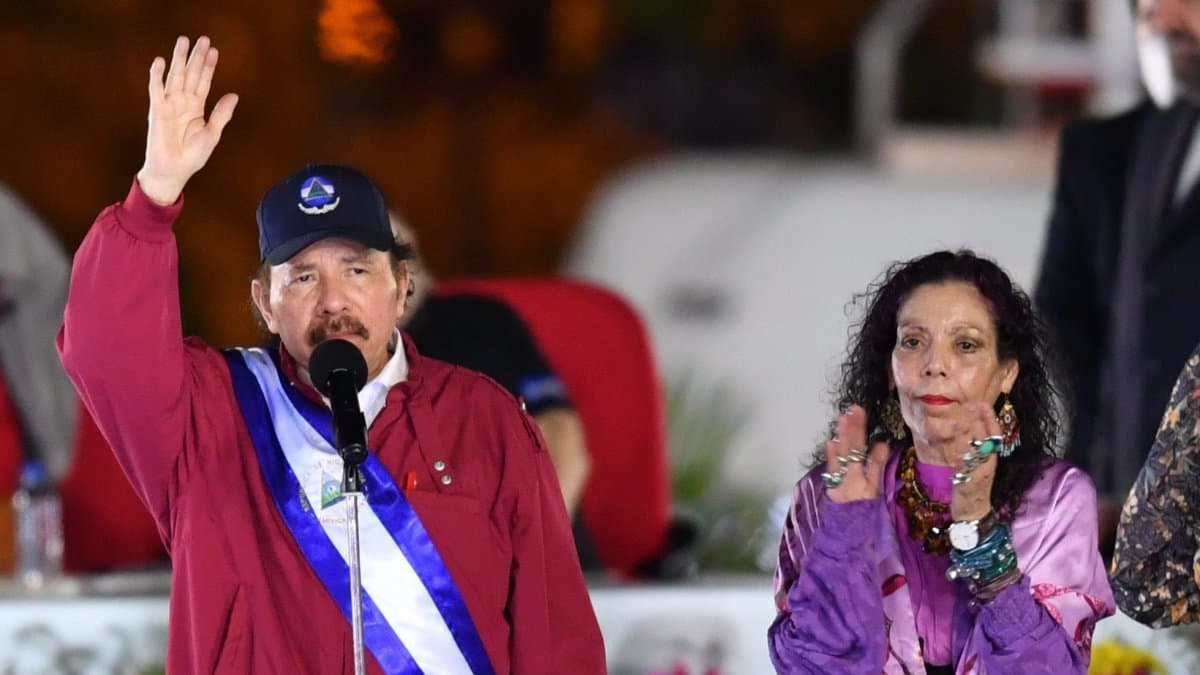
After spending several years out of office, he returned to power in 2007 and has since amassed increasing control over state institutions.
Various international organizations, including the UN, have documented a sustained deterioration of the rule of law and fundamental freedoms in Nicaragua, especially since the crackdown on the 2018 protests, which left more than 300 dead, according to the international organization's investigations.
In the years that followed, the regime imprisoned or expelled opposition leaders, journalists, human rights defenders, religious figures and critical intellectuals from the country. Many of them were also stripped of their citizenship and their assets.
Thousands of Nicaraguans currently remain in exile in countries such as Costa Rica, Spain and the United States.
Doubts are growing about the country's political future
Ortega's public reappearance also drew attention because it came after nearly two months without any official engagements. In recent months, speculation about his health had increased due to the physical difficulties he had shown during previous appearances.
Meanwhile, opposition groups continue to push for sustained international pressure in the hope that Nicaragua may, in the future, return to a free and competitive electoral process.
Ortega's statements, however, point in the opposite direction and represent one of the most explicit indications to date of the regime's intention to permanently shut down any possibility of political alternation in the country.
🛠 Do you think there is an error in this article?
Recommendations

LATEST