






Seven PMs since January 2016: Britain's decade of 'chaos'
Labour had criticised the rapid turnover in leadership of the Conservative Party when it was in office, but then ditched its own unpopular leader within two years of winning the July 2024 elections.
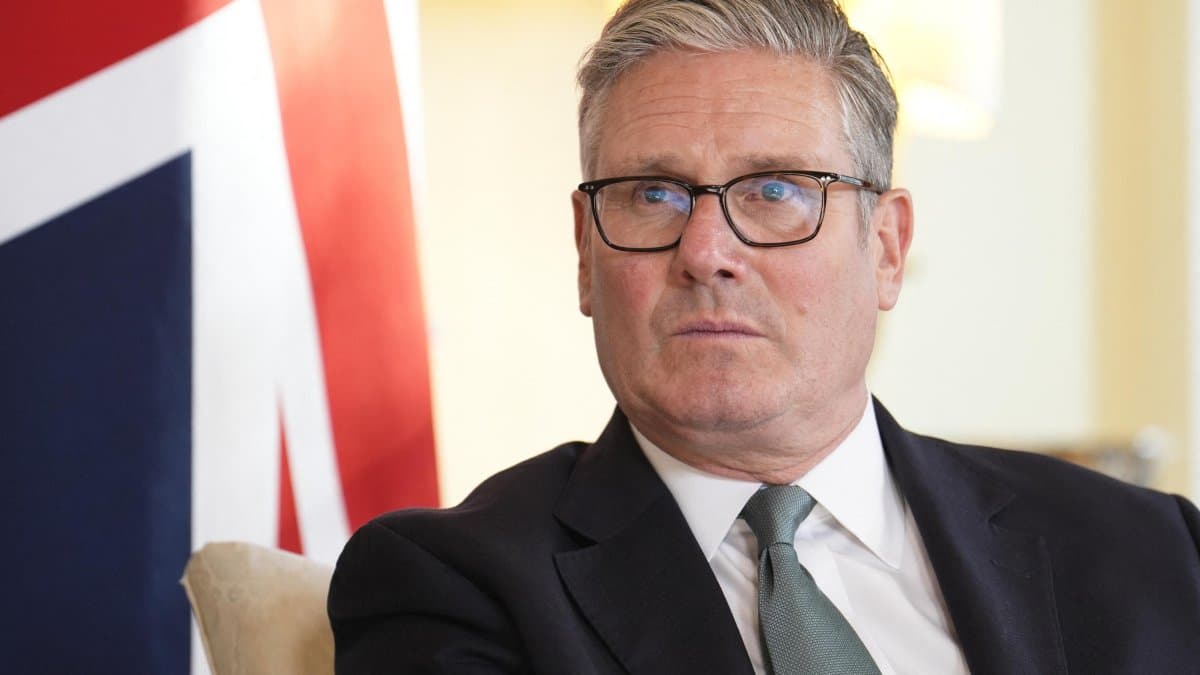

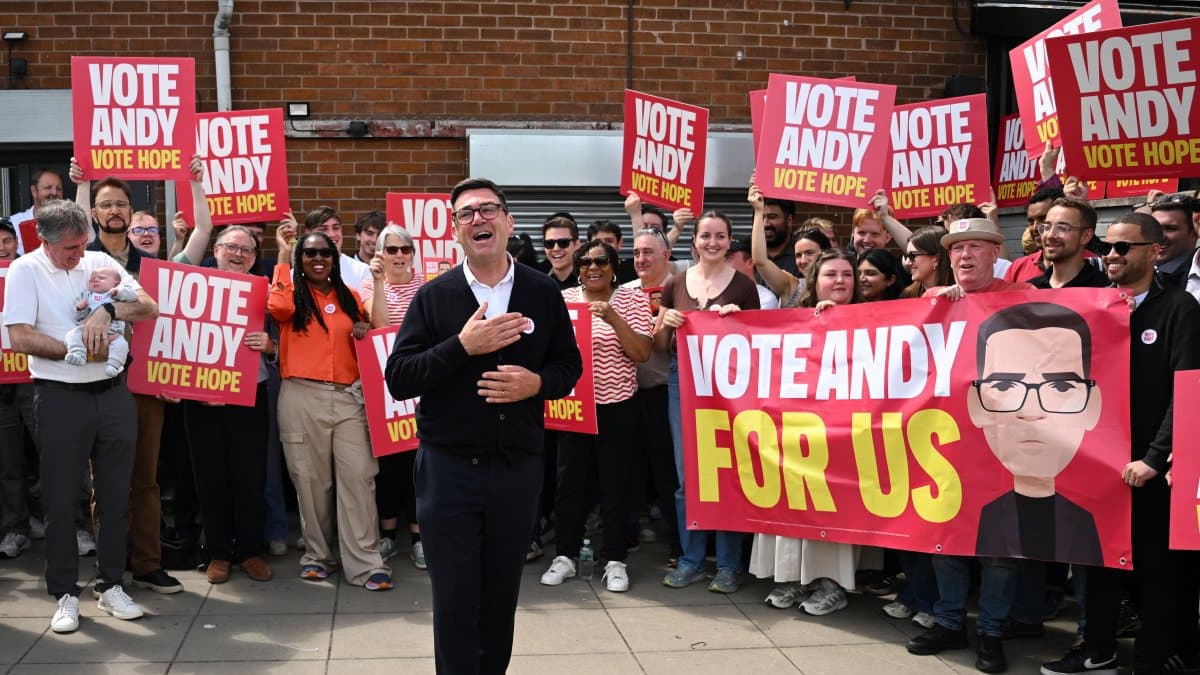
Britain on Monday was set to gain its seventh prime minister since the start of 2016 as Andy Burnham takes over following the resignation of Keir Starmer.
Labour had criticised the rapid turnover in leadership of the Conservative Party when it was in office, but then ditched its own unpopular leader within two years of winning the July 2024 elections.
Veteran Labour politician Andy Burnham was to acknowledge this trend in his opening speech, saying he is "acutely conscious" of the need for more stable politics.
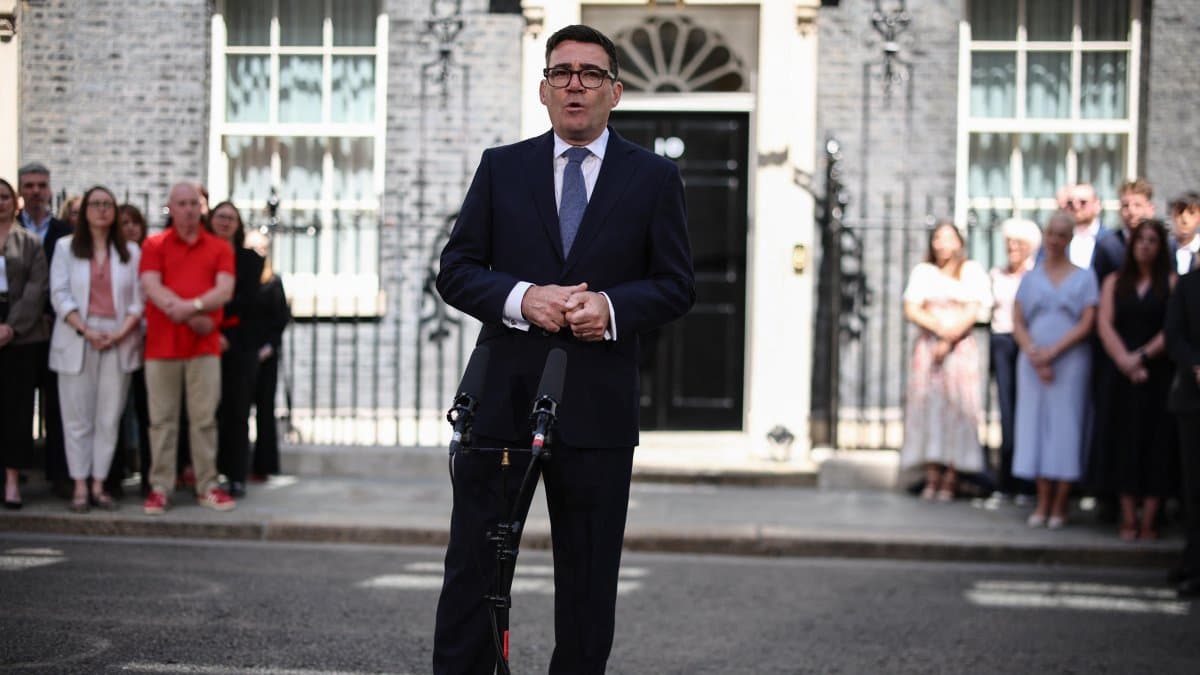
Starmer announced his resignation in June following months of nose-diving poll ratings and manoeuvering by his own MPs, who have overwhelmingly backed Burnham to take over.
Starmer had swept to power in a landslide general election victory in July 2024, ending 14 years of Conservative rule.
He had criticised the "chaos" of chopping and changing leaders under the Conservatives, who went through five prime ministers from 2016 to 2024, only to see his party take the same route.
Here are the seven prime ministers in power since the start of 2016:
David Cameron, May 2010 - July 2016
Britain's decision to leave the European Union ended Cameron's second term as prime minister.
After the country voted to leave in a June 2016 referendum, Cameron, who had campaigned to remain in the bloc, resigned.

Theresa May, July 2016 - July 2019
May took over amid the fallout from the Brexit referendum after a long tenure in the notoriously difficult post of interior minister.
She called a snap election the following year to strengthen her hand in Brexit negotiations, but the move backfired when her party emerged as the biggest in parliament but without a majority.
Unable to get her Brexit deal through parliament, the Conservatives suffered a drubbing in European Parliament elections in May 2019, leading to her resignation.
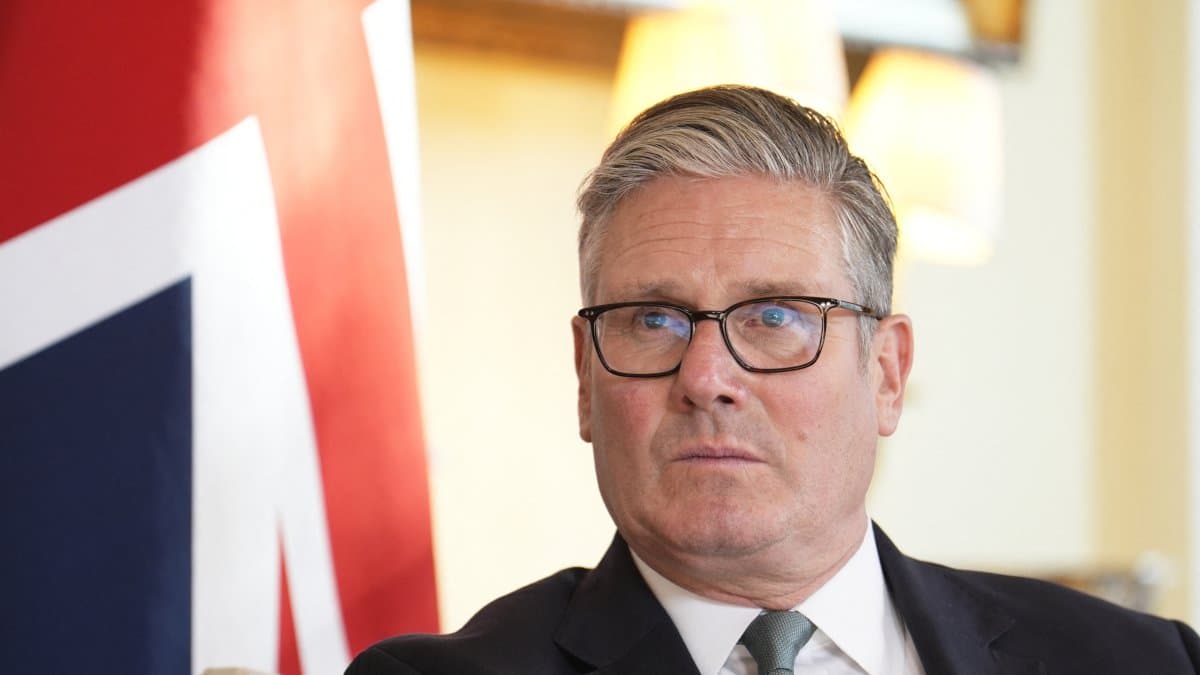
Boris Johnson, July 2019 - September 2022
Johnson, a maverick politician famed for making a career out of breaking the rules, had to navigate the coronavirus pandemic and Britain's departure from the European Union.
He led the Conservatives to victory in the December 2019 snap general election.
But weakened by scandals he was eventually forced to step down following a cascade of resignations by ministers and aides.
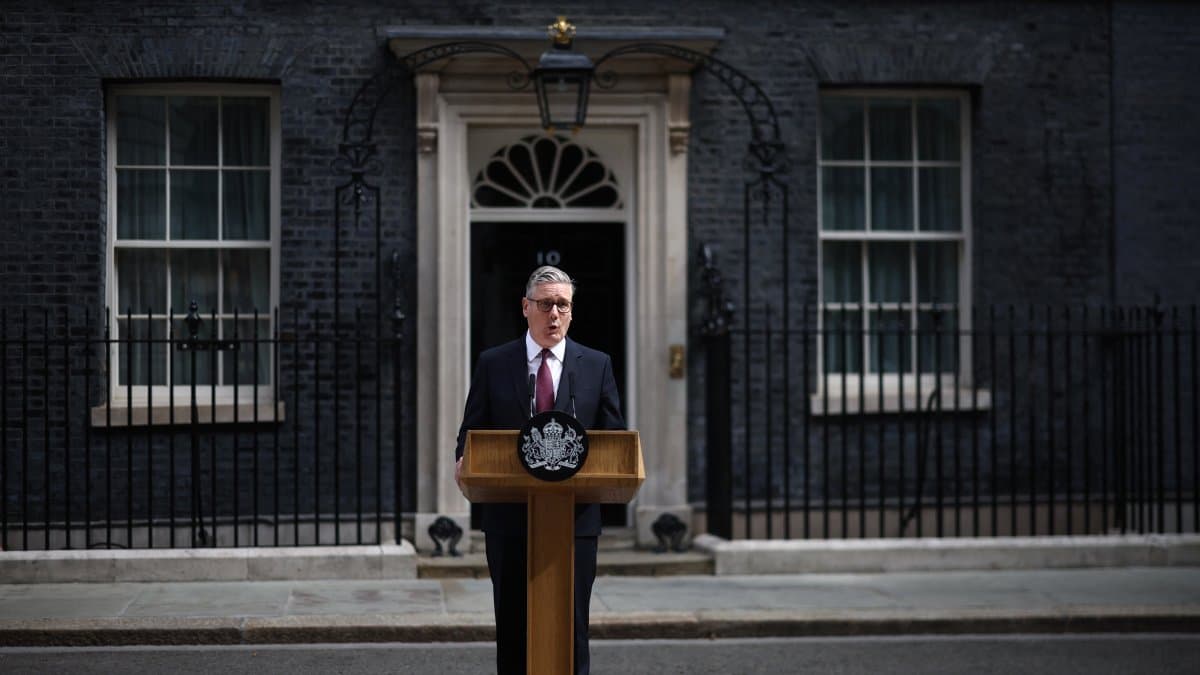
Liz Truss, September 2022 - October 2022
Truss was prime minister for just 49 days, the shortest on record, before being ousted over her disastrous tax-cutting mini-budget.
Her economic agenda spooked the markets and took the UK to the brink of financial meltdown, losing her the support of her own party.
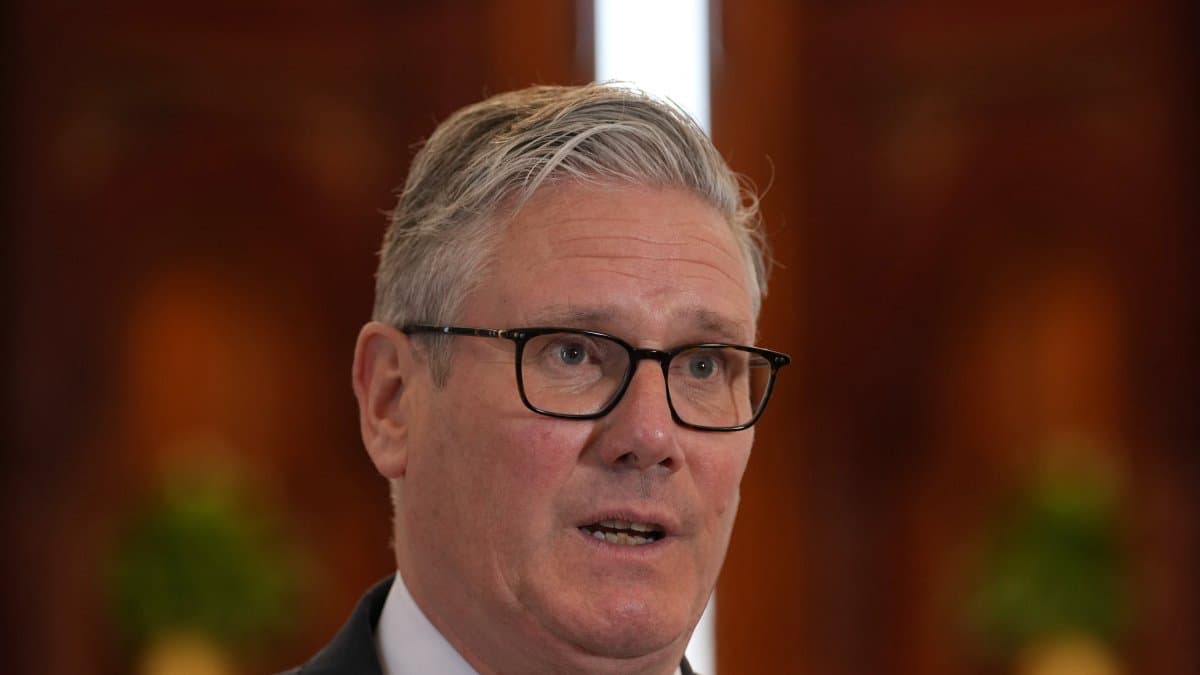
Rishi Sunak, October 2022 - July 2024
Sunak was at the helm for 20 months before losing the 2024 general election to Starmer, bringing to an end 14 years of Conservative rule.
He brought some stability following the Truss debacle, but failed to stop bitter Tory infighting.
The privately wealthy former financier ultimately failed to connect with regular voters struggling with a cost-of-living crisis.
World
Andy Burnham: 'King of the North' seeks Downing Street throne following victory in key stronghold
Israel Duro / Jo biddle (afp)
Keir Starmer, July 2024 - July 2026
The 63-year-old won praise internationally for standing up to US President Donald Trump over the Iran war and maintaining European support for Ukraine.
But at home he made unpopular moves to cut welfare, which were watered down by left-wing lawmakers, and to increase business costs amid a cost of living crisis.
He struggled against the rise of the right Reform UK party, led by Nigel Farage and Labour suffered humiliating defeats in local elections in May. And questions were raised over his judgement after he appointed and then sacked Peter Mandelson as US envoy to Washington, over his ties to late sex offender Jeffrey Epstein.
🛠 Do you think there is an error in this article?
Recommendations



LATEST