Trump orders aides to prepare for extended naval blockade of the Strait of Hormuz as negotiations with Iran stall
The president dismissed Tehran's latest three-step proposal to reopen the Strait of Hormuz and save nuclear negotiations for last.
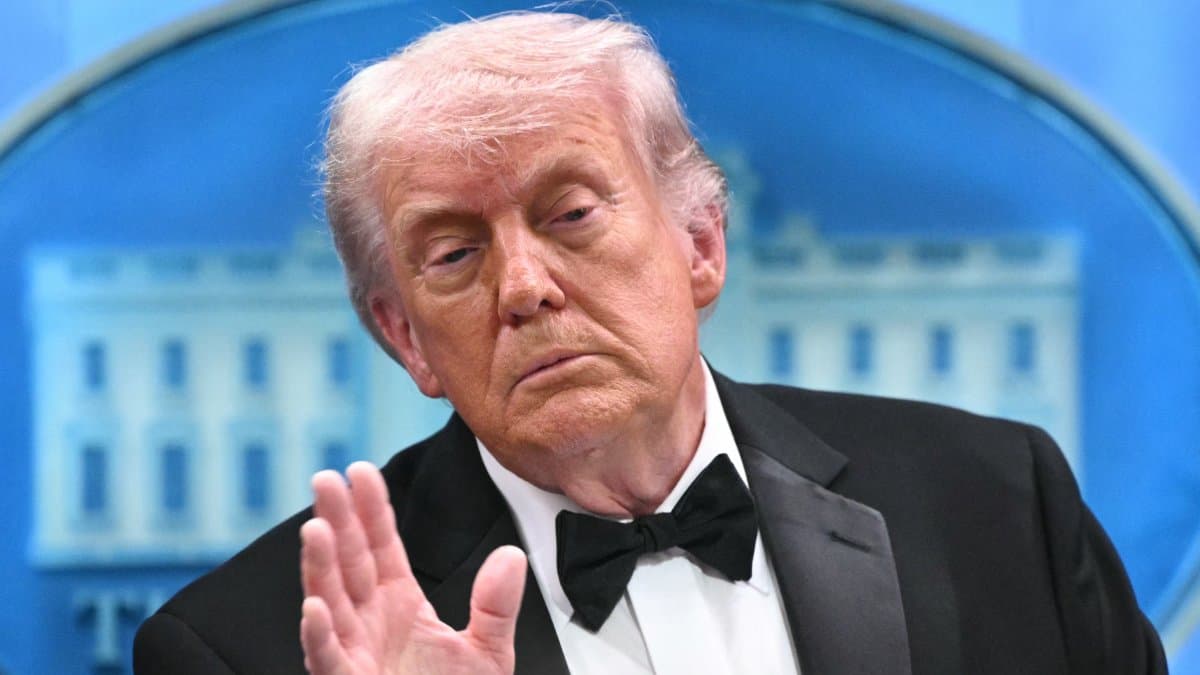

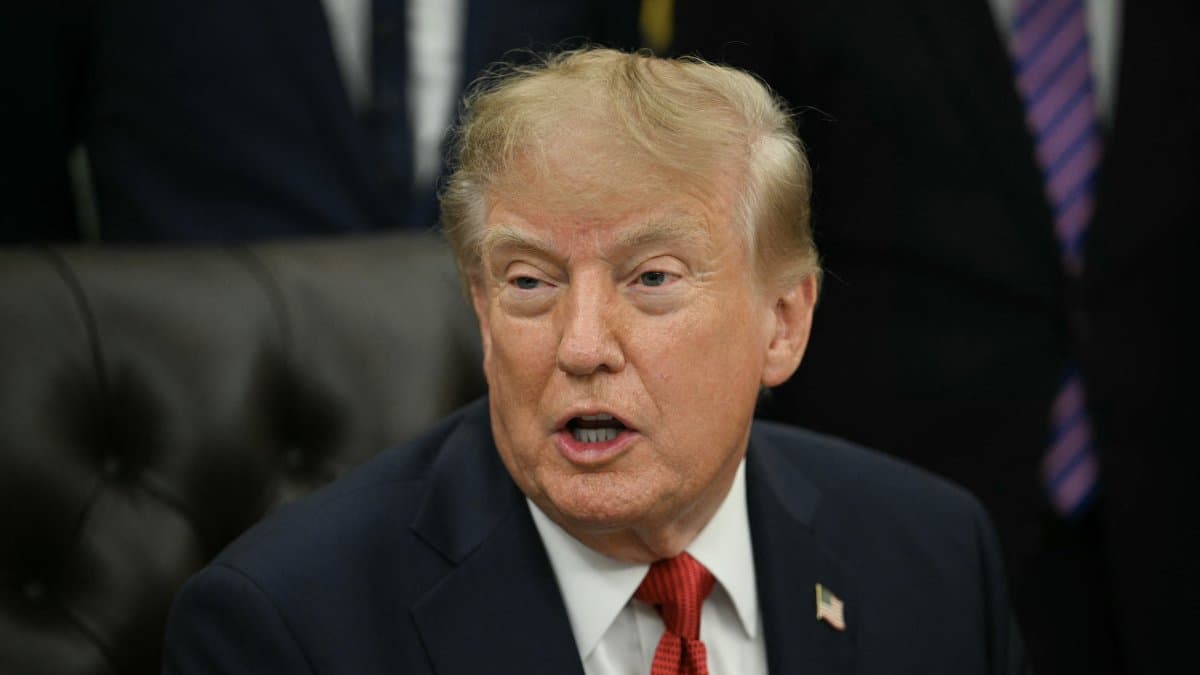
President Donald Trump has no magic solution to end the war in Iran and, as such, has told his advisers that they should prepare for a prolonged blockade against the theocracy. That, in essence, is the decision that emerged from a series of Situation Room meetings reported by the Wall Street Journal, in which the president assessed his options vis-à-vis Iran and decided that none of the options currently available offers him the quick, decisive victory he had always promised at the outset of the conflict.
Since the bombing campaign ended with the ceasefire on April 7, Trump has maintained the naval blockade as Washington's primary instrument of pressure against Tehran. The logic is to strangle the Iranian economy until the regime capitulates on the single point that the White House considers, for now, non-negotiable: the complete dismantling of the nuclear program.
This Tuesday, the president wrote on Truth Social that the blockade is pushing Iran into a "state of collapse."
A senior U.S. official confirmed to the WSJ that the siege is working economically, as Iran is struggling to store the oil it can't sell, and the regime has resumed building bridges to Washington. However, that has not translated into a proposal acceptable to Trump and his advisers.
World
Iran offers US new approach to deal: open Strait of Hormuz, then move forward on glassy nuclear issues
Emmanuel Alejandro Rondón
A "bad faith" offer
Last weekend, Iran presented a three-step proposal: reopen the Strait of Hormuz, lift the U.S. blockade and leave nuclear negotiations for last. Trump dismissed it Monday, according to the WSJ, arguing that it showed Tehran was not negotiating in good faith.
The White House has been consistent in that regard, publicly and privately maintaining that any deal must include concrete deadlines for Iranian nuclear restrictions. For now, Trump is demanding that Iran commit to suspending its uranium enrichment for at least 20 years.
“I am not surprised that he hasn’t taken the deal because it doesn’t address the nuclear issue at all,” Eric Brewer, a former senior analyst for Iran in the U.S. intelligence community, told the WSJ. “Why would you accept the Iranian deal while you are still waiting to see if you can cause some serious economic problems to Iran through this bet on the blockade?”
Economy
Why is diesel a much bigger economic problem than gasoline since the war with Iran broke out?
Emmanuel Alejandro Rondón
High political cost
Now the president must consider his options. The most direct would be to resume bombing to weaken Iran's defenses and military apparatus further, an option that would likely trigger separate attacks on the Gulf's energy infrastructure, aggravating the global economic crisis.
The other, highly unlikely option would be to give in on certain points and agree to some Iranian terms that would give Tehran control of the narrative.
Finally, the most wearing: maintaining the blockade, the chosen option that commits U.S. forces to an indefinite deployment in the Middle East.
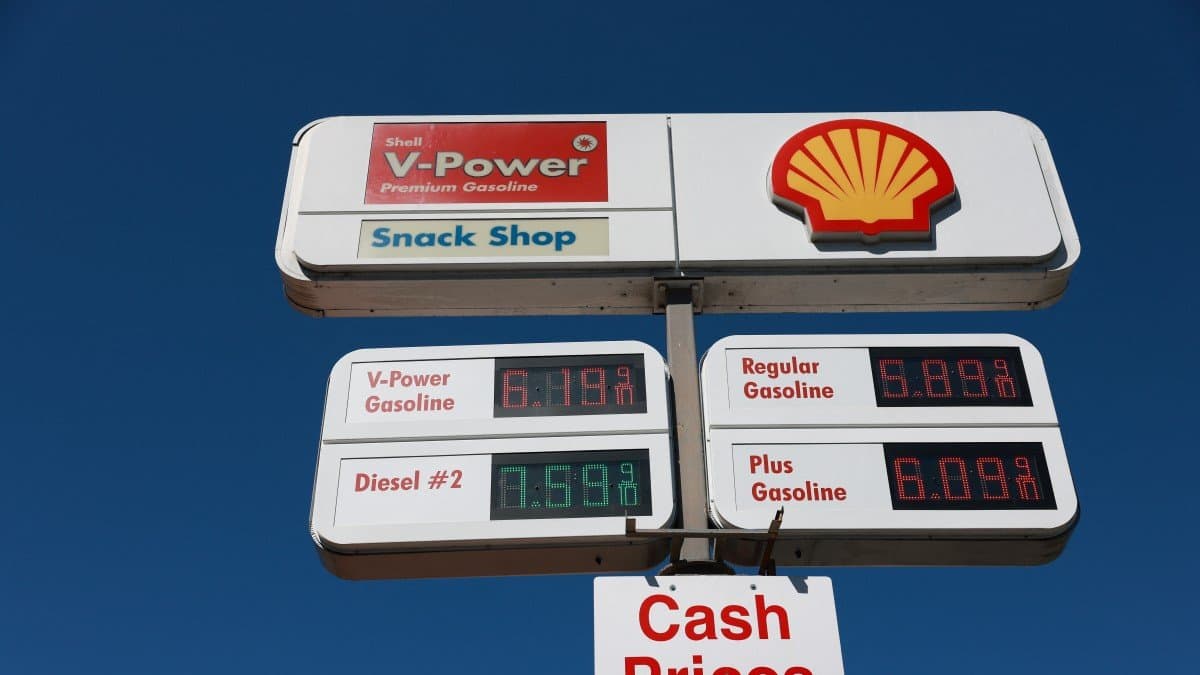
The political cost of this blockade is economic. Gasoline and, especially, diesel prices remain high, Trump's poll numbers have deteriorated and Republican prospects in the midterm elections are not the best. That's why some advisers close to the president, including business leaders, are warning him that a prolonged energy crisis could be devastating for the Republican Party heading into November.
Others, like Senator Lindsey Graham, are calling on him to do the opposite: keep up the pressure until Iran cracks.
🛠 Do you think there is an error in this article?
Recommendations


LATEST