The Pentagon studies potential suspension of Spain from NATO, Sánchez downplays warning
An internal email also proposed to review historical U.S. positions on sensitive issues, such as support for the United Kingdom in the Falkland Islands.
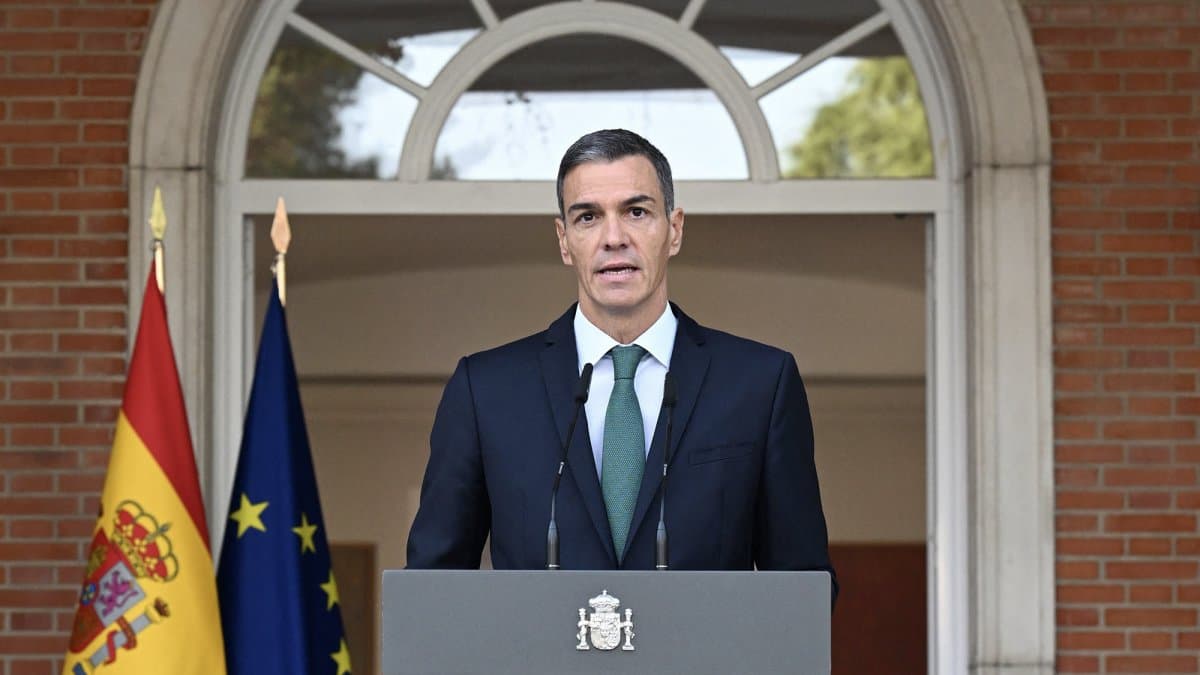

The relationship between the United States and some of its partners in NATO is enduring a moment of high tension following the revelation of an internal Pentagon email that contemplates pressure measures against countries that have not backed U.S. operations in the war with Iran. Among those options, according to the information shared by Reuters, is the possibility of suspending Spain from the alliance, a scenario that the government of Pedro Sánchez has publicly tried to downplay.
An internal document that ups the pressure
The email, drafted at the highest levels of the War Department, lays out different alternatives to demand accountability from allies deemed uncooperative in the Middle East conflict. The main consequence affecting Spain would be its removal from relevant positions within NATO, a measure with a strong symbolic charge although with limited operational impact.
The origin of the discomfort lies in the refusal of some countries, including Spain, to provide access to bases, airspace and overflight rights, known as "ABO," for operations linked to the conflict with Iran. The Donald Trump administration considers that this type of support constitutes a baseline minimum within the alliance.
Open criticism from Washington
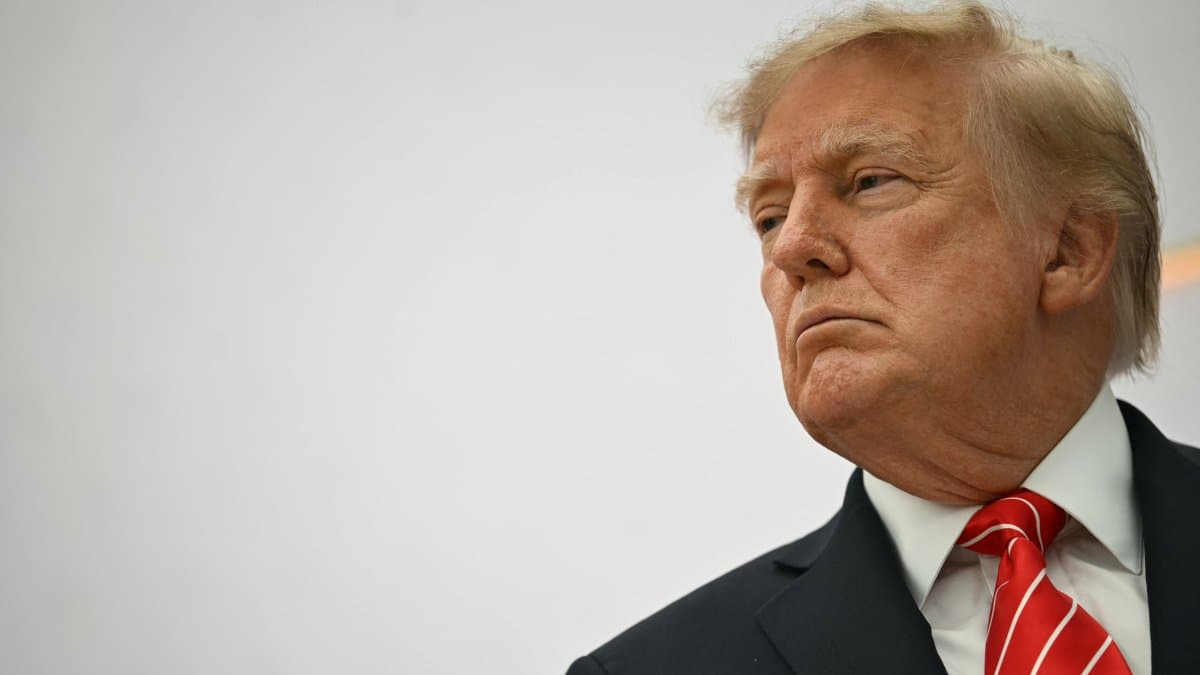
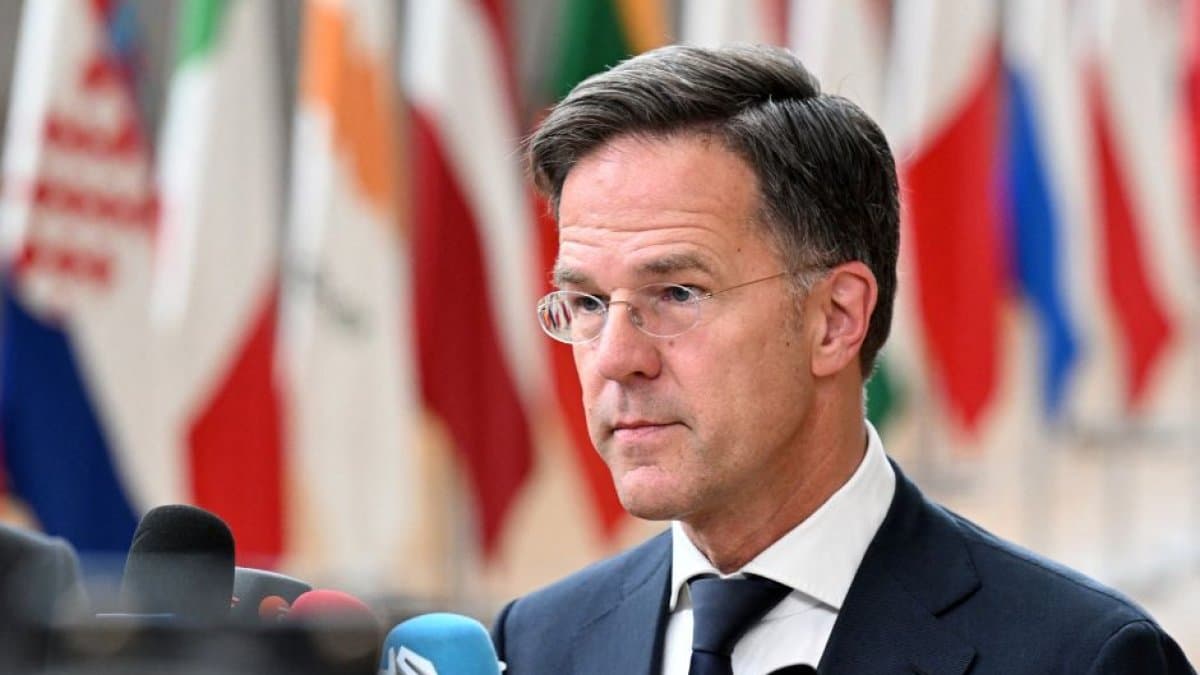
Tensions are not new, but the tone has escalated in recent weeks. The Pentagon, through its spokesman, has insisted that the country needs "credible options" to ensure that its allies "do their part." In the same vein, War Secretary Pete Hegseth has pointed out that the war with Iran has exposed doubts and obstacles within NATO.
The background is broader: Washington has fueled increasingly critical rhetoric regarding the functioning of the alliance.
Indifferent response from the Spanish government: "Absolute calm"
Faced with this scenario, Sánchez has opted to downplay the importance of the document and focus the discourse on Spain's formal commitments. "Well, we do not work with emails. ... We work with official documents and positions taken, in this case, by the government of the United States," he said in Nicosia, Cyprus, stressing that Spain is a "loyal partner" and fulfills its obligations.
The president recalled that the country has reached 2.1% of GDP in defense spending, above the 2% target set in 2014, and maintains deployments in Eastern Europe. "We are good allies, absolute calm," he insisted with a smirk, downplaying the situation in front of the press.
«No trabajamos sobre mails»: la respuesta de Sánchez a la amenaza de expulsión de la OTAN. pic.twitter.com/RKO38ocVaQ
A debate with legal limits in NATO
Beyond the political impact, the feasibility of a hypothetical expulsion raises serious doubts. NATO does not have formal mechanisms to suspend or expel a member state; an exit can only occur via voluntary decision of the country itself.
However, the fact that these options are discussed internally reflects a deterioration in trust within the alliance, especially with its main partner.
Ankara summit on the horizon
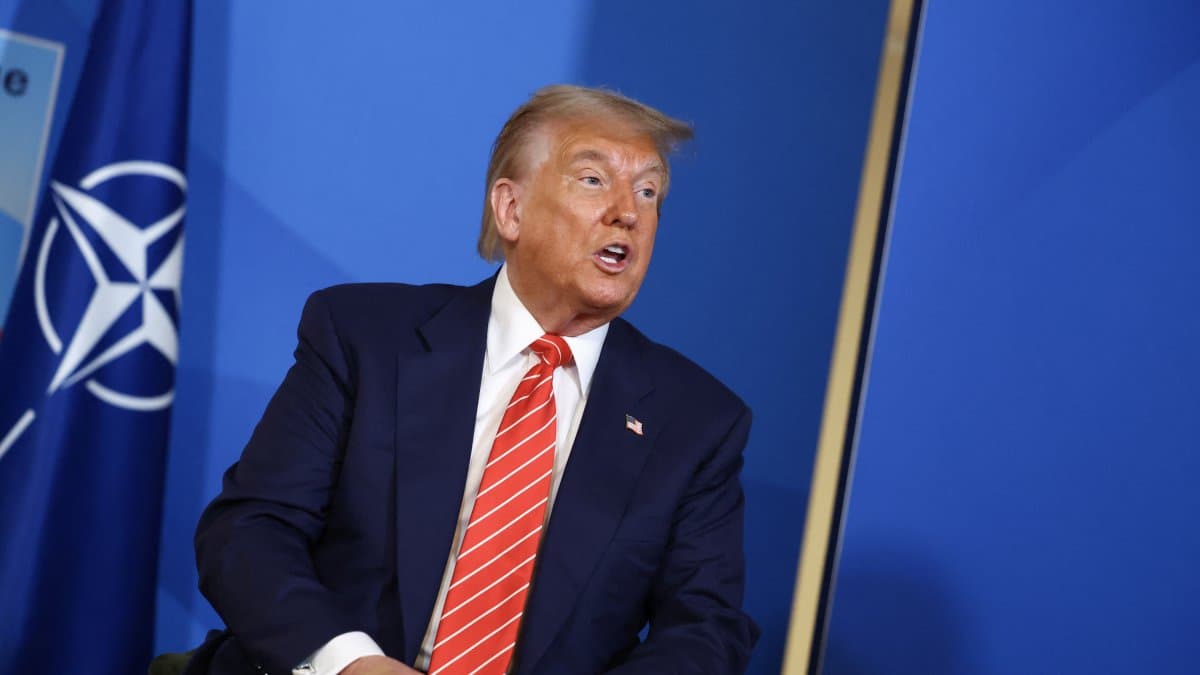
The episode also comes at a particularly sensitive time, just a few months before the NATO summit scheduled for July in Ankara. The meeting will be marked by the debate on defense spending, where Spain has already shown divergent positions with respect to other allies who are committing to raise it to 5% of GDP.
The unknown about Trump's attendance adds even more uncertainty. His presence could intensify the pressure on countries such as Spain; his absence, on the other hand, would be interpreted as an unprecedented gesture of distancing.
A ripple that goes beyond Spain
In this context, the current crisis not only calls into question concrete decisions on the war with Iran, but also reopens a deeper debate on the balance of responsibilities within a key alliance for international security.
🛠 Do you think there is an error in this article?
Recommendations




LATEST