






Cuban dictatorship confirms high-level meeting with Trump Administration officials
The meeting is part of the "maximum pressure" strategy led by the Donald Trump Administration.
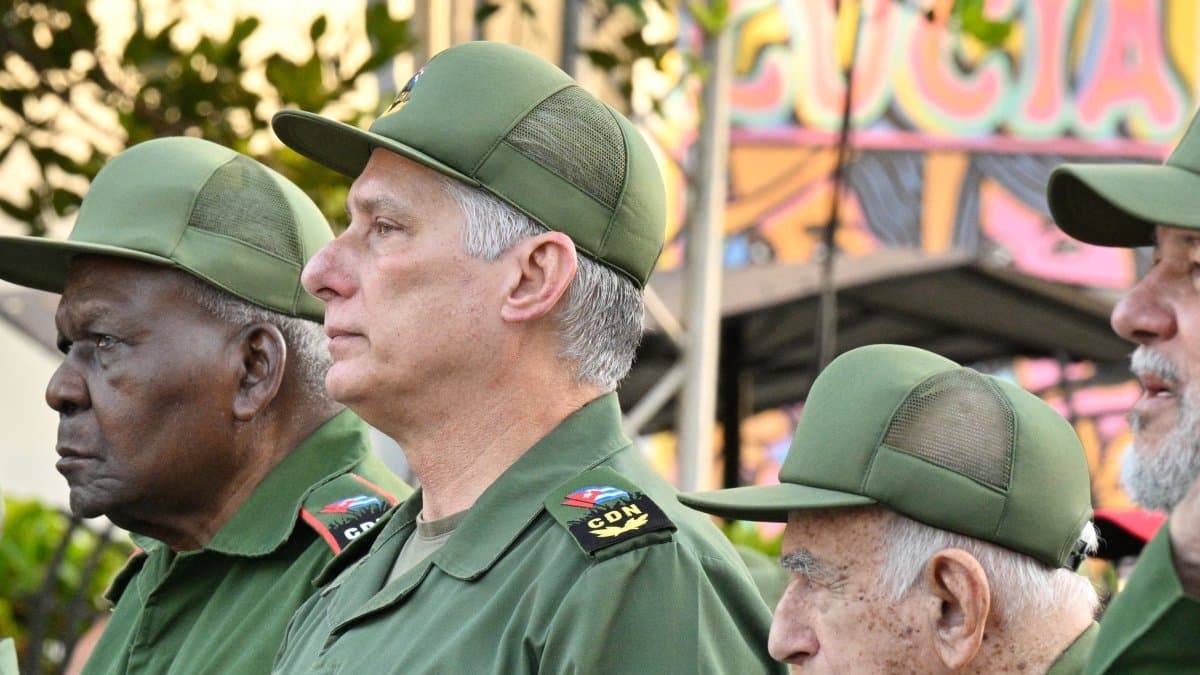

The Cuban regime confirmed Monday that it held direct talks with a high-level delegation from the U.S. government.
The meeting is part of the strategy of "maximum pressure" led by the current administration of Donald Trump, characterized by an unprecedented economic asphyxiation and an energy siege whose objective is to bend the Castro dictatorship, which has submerged the island in misery for almost 70 years.
Alejandro García del Toro, deputy director of U.S. affairs at the Cuban Foreign Ministry, was in charge of making the news official. In statements published by the official newspaper Granma, the official confirmed the nature of the meeting:
"I can comment that, in recent days, a bilateral meeting took place in Havana between senior Cuban and U.S. officials at the level of deputy foreign minister and assistant secretaries of the State Department," he said.
The regime denies "ultimatums" despite the internal collapse
.
Although sources close to the White House, quoted by various media, indicated that the U.S. delegation demanded structural economic reforms and the immediate release of political prisoners, the Castro diplomat tried to qualify the tone of the meeting to avoid showing an image of weakness before its political base.
"There was no imposing tone or approach, nor were there any threatening deadlines, contrary to what has been said by some of the press media. The exchange was serious and respectful," Garcia del Toro assured in statements sent to the Associated Press. However, he admitted that during the deliberations, there were issues where there were deep "differences."
Despite the regime's attempt to normalize the dialogue, the reality on the island's streets tells another story.
Following the capture of Nicolas Maduro earlier this year by U.S. forces, Cuba lost its main oil supplier, which has generated massive blackouts and strict fuel rationing that has hit the country's logistics.
The shadow of the Castros and the Starlink factor.
One of the most significant details of these conversations was the alleged participation of Raul Guillermo Rodriguez Castro, grandson of dictator Raul Castro and a key figure in the regime's security circle.
Although he does not hold an official position, his presence underlines the desperation of the leadership to find a way out of the energy blockade, which, in the words of García del Toro himself, is Havana's greatest concern.
For its part, the U.S. delegation, under the leadership of Secretary of State Marco Rubio—who had already met previously with Rodriguez Castro in St. Kitts and Nevis—would have put on the table the possibility of implementing the Starlink satellite Internet service on the island.
This measure seeks to break the information monopoly of the dictatorship and facilitate the communication of civil society.
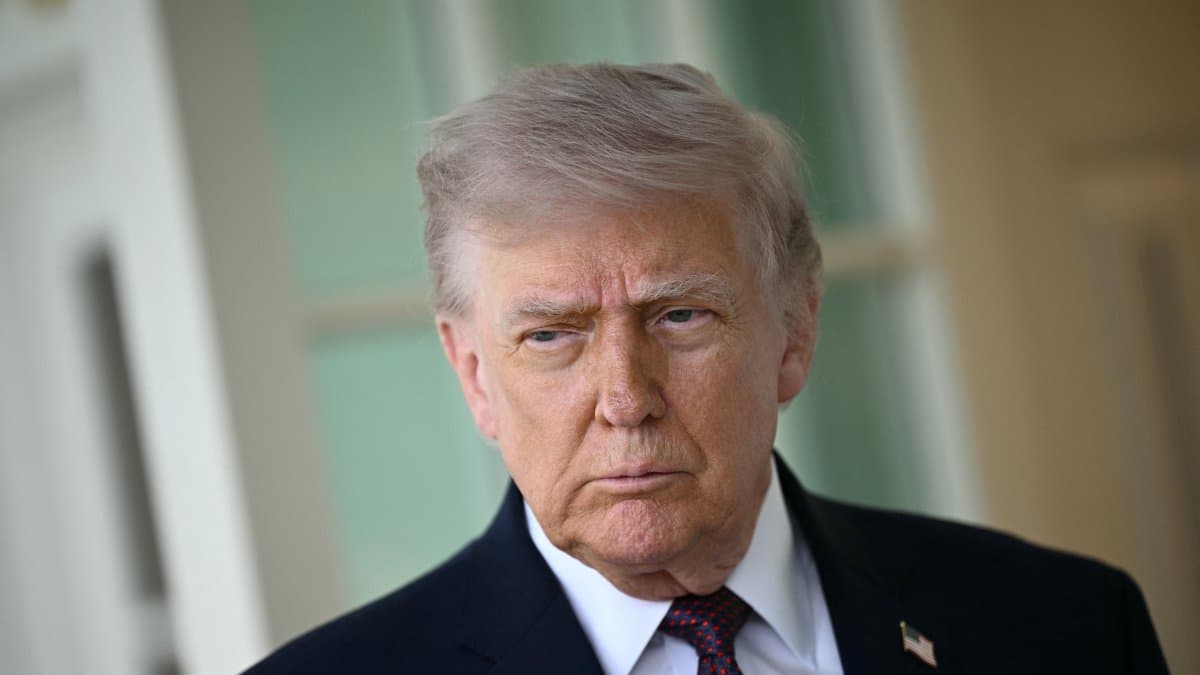
The meeting comes at a critical time, just after President Donald Trump suggested that, after concluding operations in Iran, his administration could focus all its attention on the "liberation of Cuba."
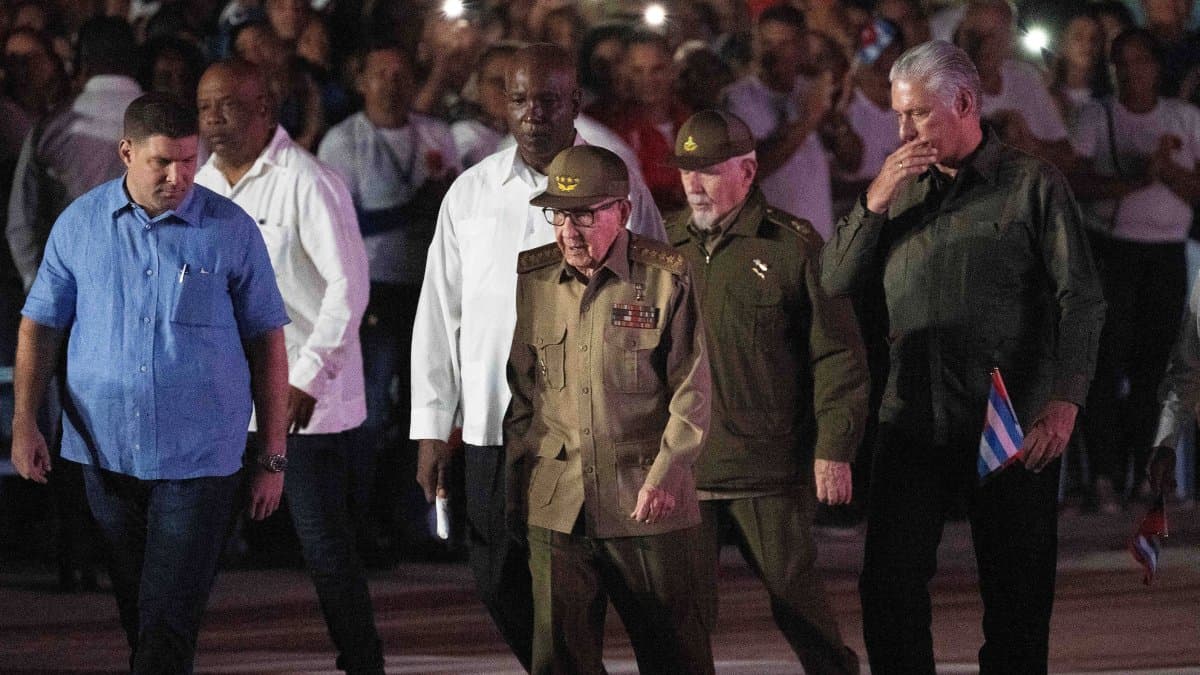
Faced with this threat, Miguel Díaz-Canel responded with combative rhetoric during the anniversary of the socialist character of his revolution, assuring that the country is "prepared to fight" in the face of any attempted military deposition.
🛠 Do you think there is an error in this article?
Recommendations
LATEST