China backs Cuban regime amid energy crisis and international pressure
Cuba is going through one of the worst crises in its recent history. The situation worsened at the beginning of the year after the fall of the Venezuelan regime of Nicolás Maduro, the island's main oil supplier, left the country without its key energy source.
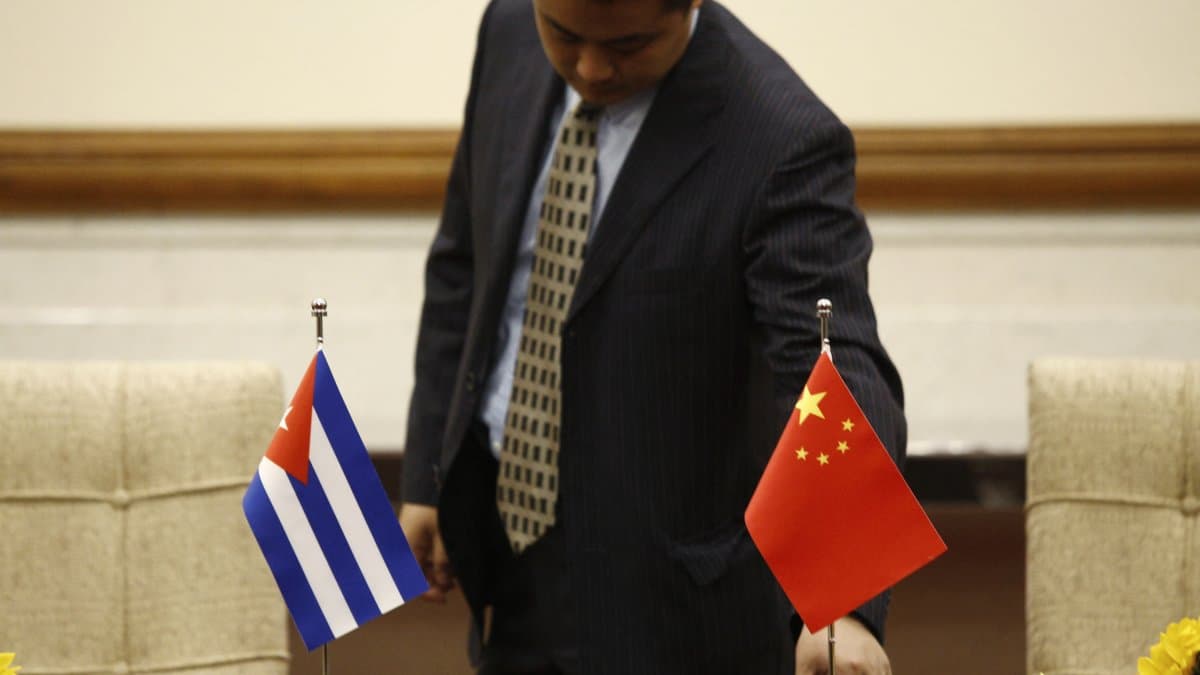

China on Wednesday reaffirmed its political support for Cuba in the face of growing tensions with the United States, in a context marked by a deep energy and social crisis on the island.
The Chinese Foreign Ministry assured that Beijing will "firmly support" Havana in the defense of its sovereignty and in its rejection of foreign interference, according to AFP. The statement came just days after Cuban dictator, Miguel Díaz-Canel, insisted in an interview that he will not relinquish power despite pressure from Washington.
Chinese backing is not new, but it takes on special relevance in the current scenario. Beijing has for years been a strategic ally of Cuba, systematically opposing the U.S. embargo and offering economic, financial and food assistance. In recent months, it has even approved million-dollar aid and food shipments to sustain the collapsing country in the midst of the crisis.
An island on the brink of energy collapse
Cuba is going through one of the worst crises in its recent history. The situation worsened earlier this year following the fall of the Venezuelan regime of Nicolás Maduro, the island's main oil supplier, leaving the country without its key energy source.
Since then, it has faced widespread blackouts, transportation paralysis, food shortages and an accelerated deterioration of living conditions. Structural dependence on imported oil means that Cuba produces less than a third of the energy it needs, making it extremely vulnerable.
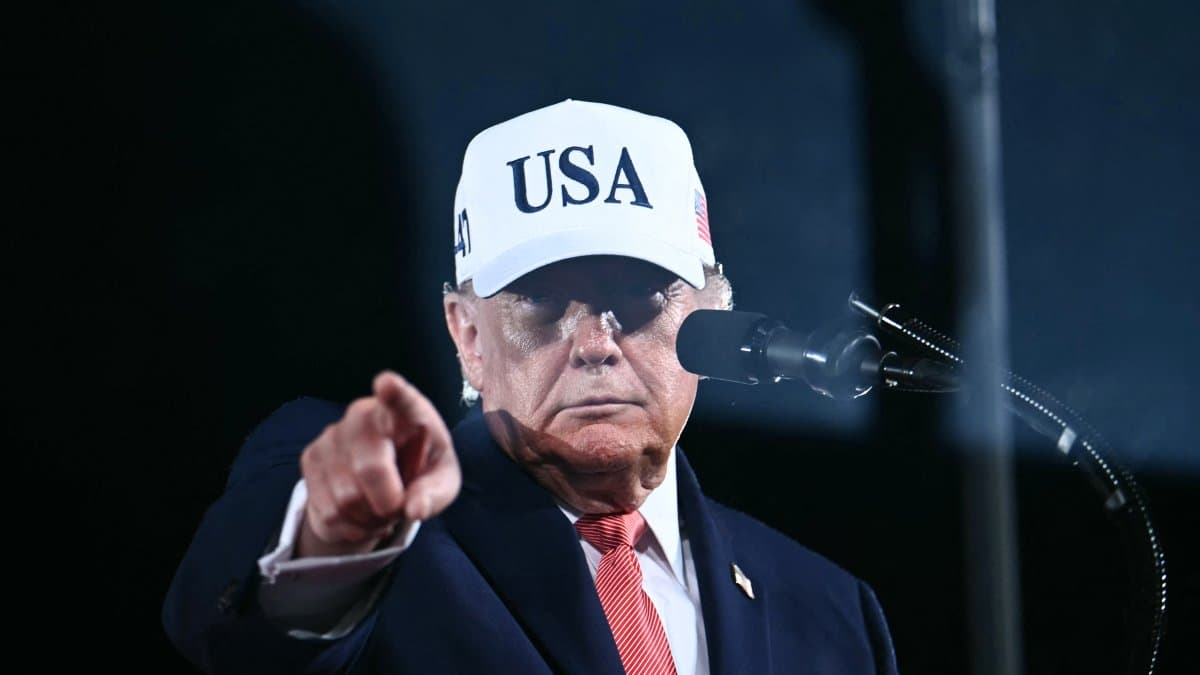
Adding this situation is the hardening of U.S. pressure. President Donald Trump has warned that Cuba "could fall soon" and has demanded political changes under threat of greater consequences, in a strategy that seeks to force a transition on the island.
China: Political support, strategic interests
China's backing does not respond only to ideological affinities. Behind its support there are clear geopolitical interests.
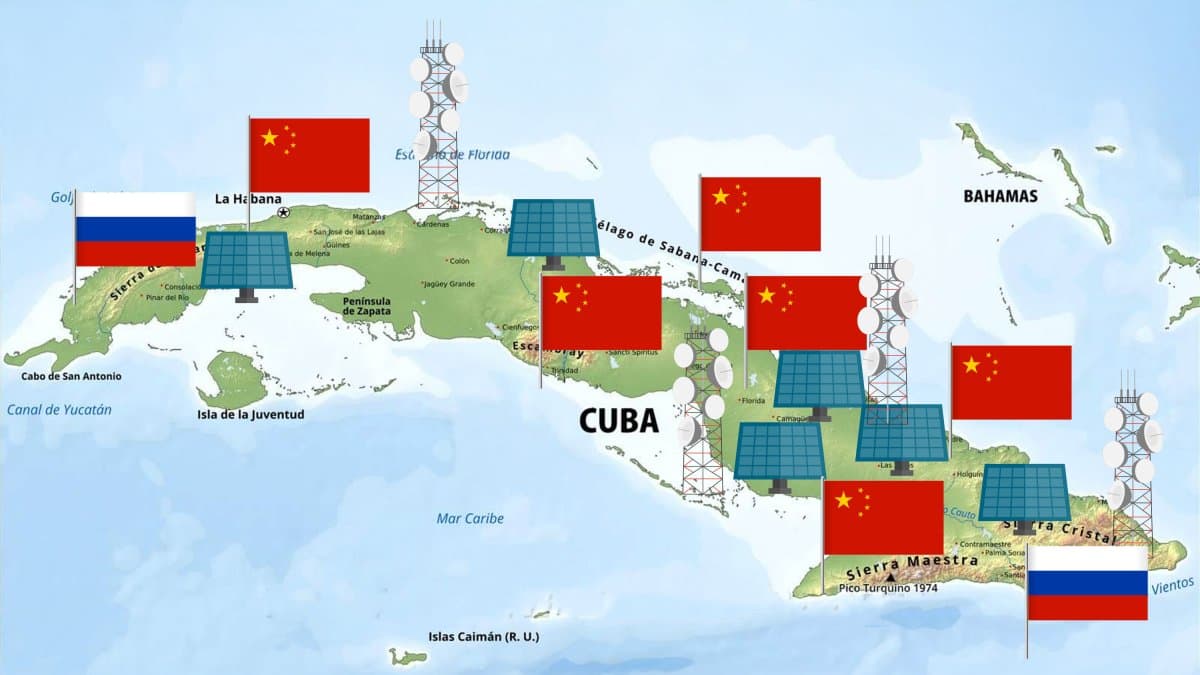
For Beijing, Cuba represents a key ally in Latin America, a region where China seeks to expand its economic and political influence vis-à-vis the United States. Keeping the Cuban regime on its feet allows it to sustain a strategic presence in the Caribbean, in addition to projecting its discourse against Washington's sanctions and "coercive diplomacy."
However, its aid has limits. So far, Chinese support has been mainly political and financial, without fully replacing the energy vacuum left by Venezuela. This is evidence that, although China backs the regime, it is not willing to assume the full cost of sustaining the Cuban economy.
Internal crisis and social tension
Díaz-Canel himself has denounced a critical situation, with hospitals affected by the lack of energy and paralyzed productive sectors. However, the government insists on attributing the crisis mainly to external sanctions, while rejecting profound political changes.
Analysts agree that the current crisis is not only a consequence of the international context but also of the depletion of the Cuban economic model, which is incapable of generating growth and responding to the needs of the population.
An open scenario
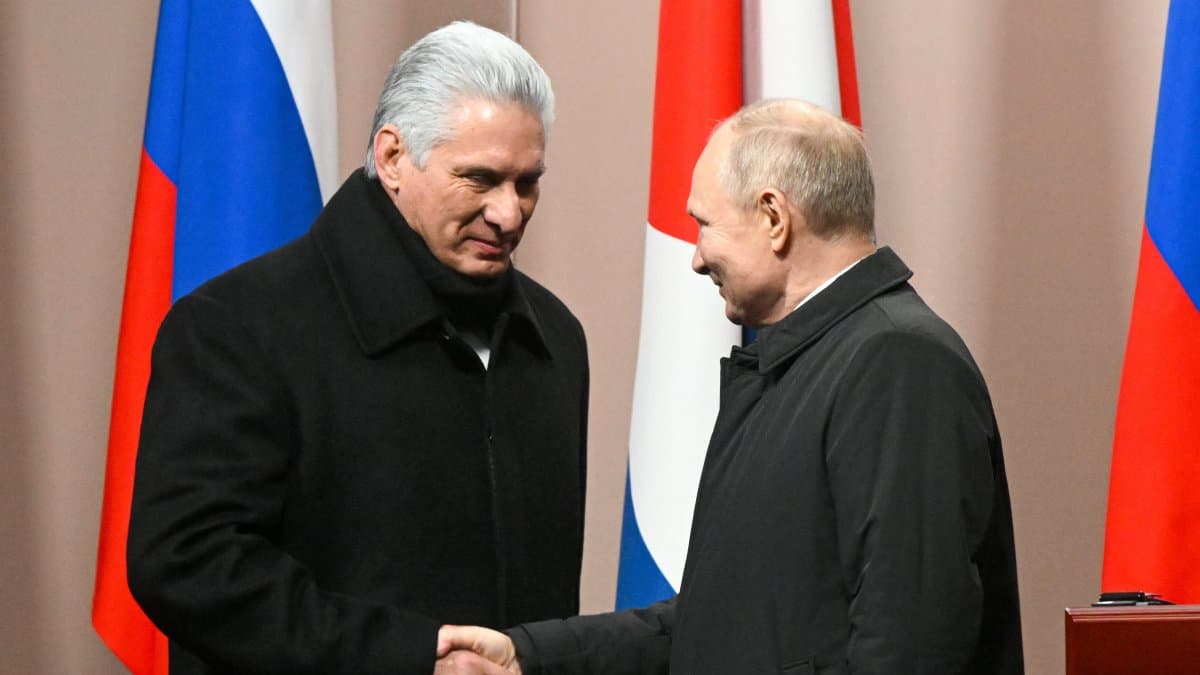
In this context, Cuba is at a crossroads. It is increasingly dependent on support from allies such as China and Russia, while facing growing pressure from the United States and a domestic deterioration that threatens the stability of the regime.
Beijing's support, although firm in discourse, does not solve the structural problems of the island. And while the powers dispute influence, the crisis continues to deepen for millions of Cubans.
🛠 Do you think there is an error in this article?
Recommendations





LATEST